



Consultant Achievements-Parsons Brinckerhoff
Founded by: William Barclay Parsons Year Founded: 1885 Employees: 14,000 (worldwide) Headquarters: New York City Head Executive: George J. Pierson, President/CEO Website: www.pbworld.com
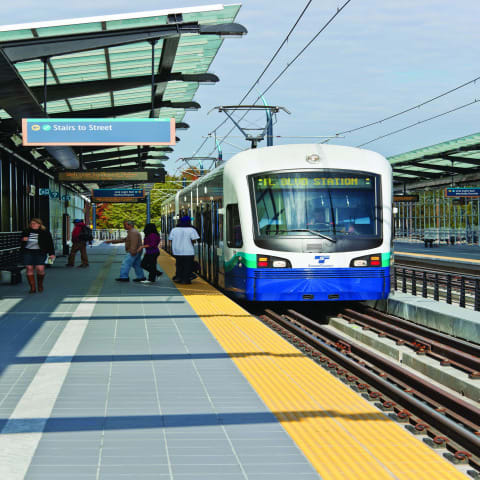
The opening of Seattle's Central Link light rail in 2009 was the culmination of a 20-year campaign to develop rail transit in the Central Puget Sound area
[IMAGE]parsonsb.jpg[/IMAGE]Transportation is the top concern of residents and employers in Seattle - outpacing even economic issues in perceived importance, according to polls conducted by the media during several recent elections. With the region's population expected to expand 30 percent by 2030, voters are looking to mass transit to maintain Seattle's livability and balance of natural surroundings and thriving urban areas.
The opening of Seattle's Central Link light rail in 2009 was the culmination of a 20-year campaign to develop rail transit in the Central Puget Sound area — an effort that is continuing with an ambitious 15-year plan for expansion of the region's public transit system.
The first section of Central Link, which opened in July 2009, ran 14 miles from downtown Seattle to Tukwila. The second section, which extended the light rail line 1.7 miles from Tukwila to Seattle-Tacoma International Airport, opened in December, carrying travelers from downtown to the airport in 38 minutes.
Parsons Brinckerhoff (PB) has been involved in developing the Central Puget Sound Region's high-capacity transit system from its beginning. PB assisted Sound Transit, the region's transportation agency, in planning the initial system and served as a member of a joint venture responsible for preliminary engineering of the overall system. PB also provided construction management services for the Beacon Hill tunnel and the Tukwila elevated segment - two of the most challenging sections of Central Link.
With the successful opening of Central Link, the Seattle region now looks to the future and how to provide transit for the expected increase in the region's population by 2030. To meet that challenge, PB worked with Sound Transit to prepare Sound Transit 2 (ST2), a 15-year plan to expand Seattle's light rail, commuter rail and regional express bus systems.
ST2, the Sound Transit regional high-capacity transit plan approved by voters in 2008, will add 36 miles of light rail and result in significant enhancements to regional bus and commuter rail service.
"ST2 will reduce transit travel times, increase ridership and provide an alternative to congested freeways," said Cathy Strombom, PB's ST2 project manager. "The ST2 program builds upon the original Sound Move plan currently being implemented to create a comprehensive integrated high-capacity transit plan that will result in cleaner air and more mobility. The ST2 plan will help maintain the quality of life that's the hallmark of the Central Puget Sound region."
More Rail

Strada360’s Steve Lassey on Turning Transit Data Into Better Decisions
From breaking down data silos to preparing for AI, Strada360 CEO Steve Lassey discusses how transit agencies can use technology to improve operations, customer information, and long-term decision-making.
Read More →
SEPTA Details Accelerate Vision for Transit System
The plan outlines investments in trolley modernization, new Metro and Regional Rail vehicles, accessible stations, and more frequent bus and rail service.
Read More →
FTA Ends Direct Oversight of MBTA Safety Actions
The federal agency closed its remaining special directive to the Massachusetts Department of Public Utilities following a safety review that began in 2022.
Read More →
Amtrak, CN Reach Agreements to Strengthen Passenger Rail Service, Safety
The agreement resolves a more than decade-long proceeding before the Surface Transportation Board concerning the terms and conditions for Amtrak services, such as the City of New Orleans, Illini/Saluki, and Wolverine.
Read More →
New York MTA Advances Final Contract for Second Avenue Subway Expansion
Contract Four is the largest in the Second Avenue Subway Phase 2 project and includes construction of station infrastructure, tracks, and signals for the subway expansion, MTA officials said. Work on Contract Four will begin in 2027.
Read More →
San Diego MTS Breaks Monthly Trolley Ridership Record
Agency officials said July’s ridership indicates MTS’s continued recovery from the pandemic.
Read More →
Report Examines NJ TRANSIT Reliability, Funding Challenges
The Garden State Initiative analysis examines the roles of Amtrak infrastructure, fleet management, and agency operations while recommending a more performance-based approach to improving reliability.
Read More →
Stadler, CapMetro Sign Long-Term Rail Fleet Support Agreement
Beginning in 2027, Stadler will provide on-site technical expertise, spare parts support, training, and obsolescence management to help extend the reliability and longevity of CapMetro’s GTW fleet.
Read More →
Biz Briefs: Alstom Lands Canadian Contract, LYT to Supply California TSP, and More
In METRO's latest installment, we take a look at recent news from Complete Coach Works, Beep, FlixBus, and more partnerships making headlines across the transportation sector.
Read More →
CATS Gold Line Marks 5 Years of Service, 2.8M Passenger Trips
With a six-mile expansion planned, the Charlotte streetcar is positioned to connect more neighborhoods and major transit hubs across the region.
Read More →