



DaimlerChrysler optimistic about 2002 sales
Less than one year after consolidating its North American commercial brands into one corporate structure, DaimlerChrysler Commercial Buses North America reports that it's on the way to a 50% increase in sales in 2002 compared to 2001.

Less than one year after consolidating its North American commercial brands into one corporate structure, DaimlerChrysler Commercial Buses North America reports that it's on the way to a 50% increase in sales in 2002 compared to 2001.
Andy Strecker, president and CEO of DC Commercial Buses North America, said combined sales from its Orion, Thomas Dennis and Setra companies will exceed 1,150 units in 2002 with $285 million in revenue. Employment at the North American commercial bus unit also expanded more than 50% to 1,300 people to meet increased sales, customer service and production demands.
"It looks like we're absolutely on the right track," Strecker said. Part of the credit, he added, is due to the company's restructured sales channel that saw the number of dealers reduced from 48 to 24. Sharing of leads among the three sister companies also helped to bolster sales, he said.
Strecker cited increased diversity in the product line for increased sales. "We continue to work on the product side to provide more variance for the customer," he said. As an example, he mentioned the Mercedes 906 engine, which can be spec'd into the SLF 232 and 235 models. "This is a big customer benefit," he said. "The Mercedes engine is an excellent addition to the marketplace."
Strecker added that the Mercedes engine will be serviced by Detroit Diesel dealers. "This is a good example of how fast DaimlerChrysler can reach everybody in the country," he said.
Strecker expects another 50% growth in sales in 2003. "We have built a tremendous foundation for long-term success in the North American commercial bus market," he said.
More Management
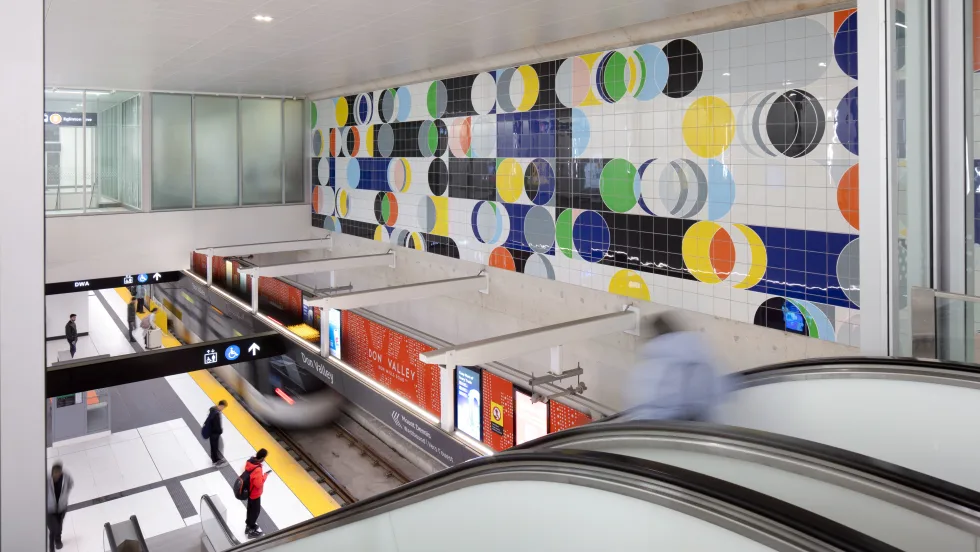
How Gen Z's Changing Mobility Habits Are Reshaping Public Transit
As younger generations embrace multimodal mobility over private vehicles, transit agencies can rethink station design, the passenger experience, and public transportation's role in building connected communities.
Read More →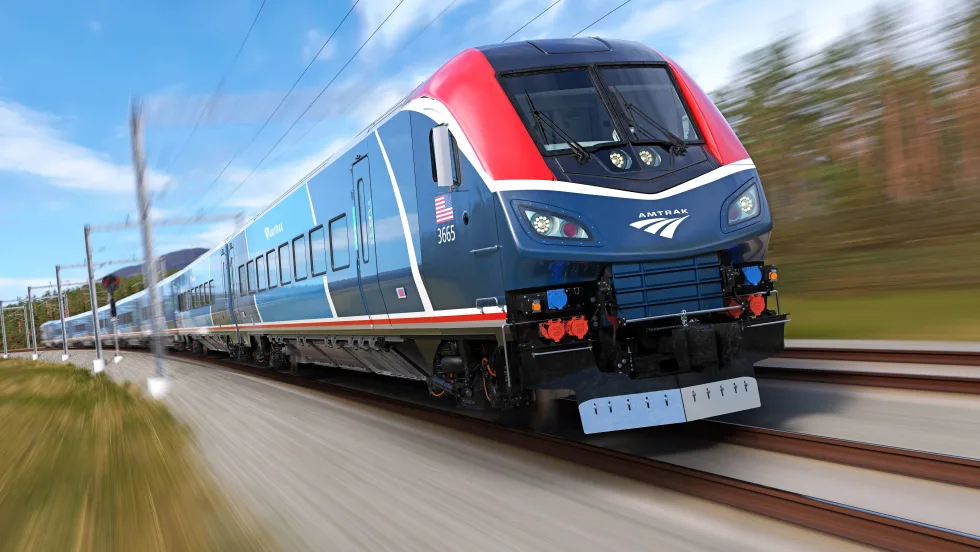
Amtrak Expands Airo Fleet with Eight Higher-Capacity Trainsets
The new 10-car trains, expected to enter service in 2031, will provide about 34% more seating capacity to meet growing demand on the Northeast Corridor.
Read More →
APTA Urges FTA to Withdraw Proposed Capital Investment Grants Guidance
The association warns that proposed changes could delay transit projects, reduce federal funding, and create new hurdles for 47 projects currently in the CIG pipeline.
Read More →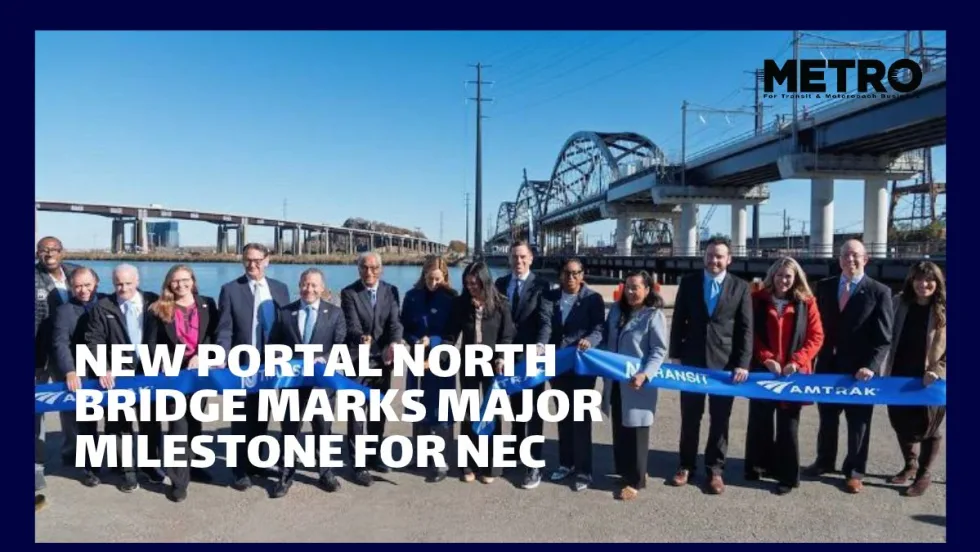
Amtrak, NJ TRANSIT Launch Full Service on New Portal North Bridge
The completion of the two-track bridge over the Hackensack River eliminates a longstanding source of delays for NJ TRANSIT and Amtrak customers. It marks a major milestone for the Gateway Program.
Read More →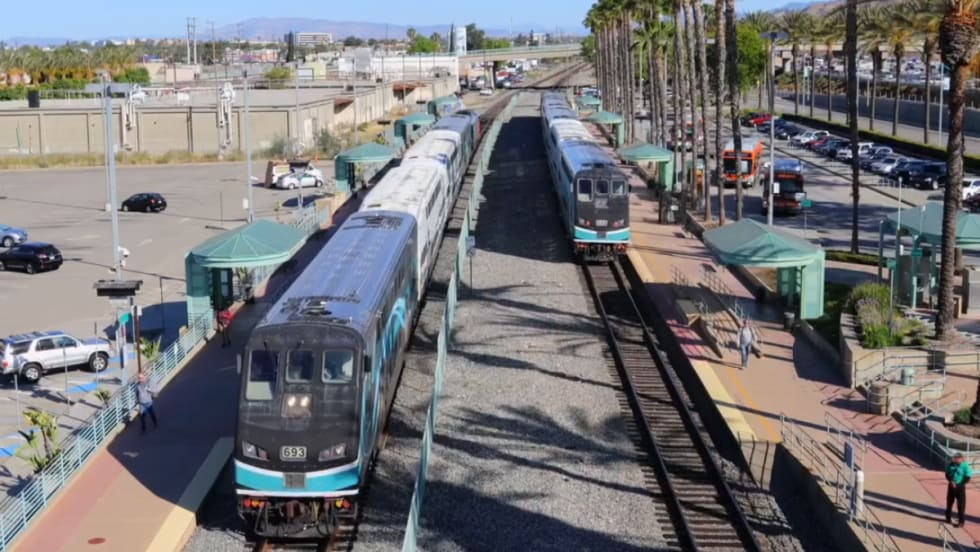
Southern California’s Metrolink Approves $508.8M Budget, Avoids Service Cuts
A $20 million state allocation allows the regional rail agency to maintain existing weekday and weekend service through fiscal year 2028, although longer-term funding challenges remain.
Read More →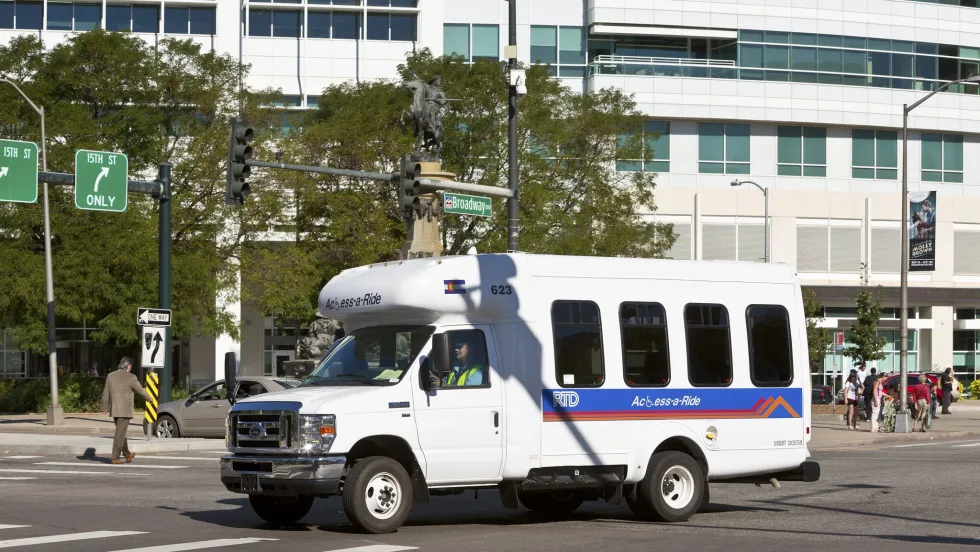
Denver RTD Committee to Review Paratransit Services, Improve Accessibility
The committee will oversee an independent study of paratransit operations, gather customer feedback, and recommend improvements to service reliability, accessibility, and accountability.
Read More →
Castro to Lead RTC of Southern Nevada and More in People Movement
In this edition, we also cover recent appointments and announcements at the STV, MCI, and more, showcasing the individuals helping to shape the future of transportation.
Read More →
STraffic Expands North American Presence with Fare Collection Technology
John Moon, Associate Director, Product Strategy at STraffic, discusses the company's growth in North America, its efforts to reduce fare evasion, and more.
Read More →
Study: Denver RTD Generates $2.1 Billion in Annual Economic Activity
An economic impact study finds the agency supports approximately 17,500 jobs, delivers $1.6 billion in annual community and mobility benefits, and generates $2.42 in economic value for every dollar invested.
Read More →
Mark Aesch Nominated to Lead Federal Transit Administration
The former Rochester transit chief and TransPro founder, who has also contributed to METRO Magazine, brings decades of industry experience and a focus on performance, accountability, and financial sustainability to the nomination.
Read More →