



Extreme makeover?
Being pleasing to the eye is only part of the struggle for agencies trying to boost ridership.
Much thought was given to the color of the buses in Albany, N.Y. According to a newspaper article, a consultant was brought in to help the Capital District Transportation Authority (CDTA) choose a new color scheme for its buses, one that will complement the updated version of the transit system’s logo. This is what is widely known as “branding” and has kept marketing consultants in business for many decades.
In Albany, the buses have been basically white, which is to say “plain vanilla.” Or uninspired. Or not in touch with a modern color palette.
I happen to like the look of white buses. The color, or lack thereof, suggests a shoulder-to-the-grindstone mentality. It says, “I’m here to perform a function and, excuse me, I don’t have time to talk now because I’ve got to get back on the road.”
But I’m one of the few people who likes vanilla ice cream topped with whipped cream, so that probably ruins my credibility when discussing the psychological influences of colors or frozen desserts.
A trustworthy blue selected
The powers-that-be in Albany decided that the CDTA’s white buses should be repainted blue, a deep, warm blue that has a tinge of red in it. People find blue to be a trustworthy, reliable and professional color, according to Eileen O’Donnell, the creative director of Bus Design Co., the consultant brought in to rebrand the image of Albany’s buses.
As many of you know, the study of color preference is basically a science, perhaps not as demanding as biophysics or neurology, but certainly as rigorous as, say, feng shui.
What we’re told is that buses with the proper aesthetic design, starting with the color scheme, will bridge a psychological connection with prospective riders, making them more likely to use the service. Real estate agents use the same tactics when trying to sell a home. They advise the owners to bake some chocolate chip cookies before the start of an open house, so prospective buyers will associate the home with something delicious that their mothers would often bake when they were children (occasionally before an open house).
The message that we get from these consultants is that we need to use every psychological hook available to lure passengers, especially new ones, aboard our buses.
As far as it goes, they’re right. Presenting an attractive exterior to the outside world can only help to raise the image of a transportation system and, equally as important, boost ridership.
More than skin deep
Of course, having vehicles with a welcoming color scheme is only half the battle. Probably not even half. More like one-fifth of the battle.
The other four-fifths is providing a service that is efficient, timely, intelligent and friendly. That last quality is often underestimated. It doesn’t matter how inviting your buses look, they won’t retain their welcoming glow if the operator is rude to the customers or they’re late or they don’t run with enough frequency to meet demand. In fact, I’d say that an ugly, on-time bus with a friendly operator is preferable to a gorgeous, late bus with a sullen operator.
Of course, the goal for a transit property is to provide the best of all worlds to its community, while staying within an increasingly tight budget.
And you can never please all of the people all of the time. One of the board members of the CDTA said the new blue color scheme looks too dark. At night, he said, it could even look sinister. Talk about your public relations nightmares. Evil buses prowling the streets of your city. Maybe plain vanilla isn’t so bad after all.
More Management

Everett Transit, Community Transit Outline Consolidation Agreement
The proposed agreement calls for a 50% increase in bus service in Everett, a new microtransit zone, continued paratransit service, and the transfer of Everett Transit operations to Community Transit.
Read More →
Strada360’s Steve Lassey on Turning Transit Data Into Better Decisions
From breaking down data silos to preparing for AI, Strada360 CEO Steve Lassey discusses how transit agencies can use technology to improve operations, customer information, and long-term decision-making.
Read More →
People Movement: Phil Washington Joins HNTB, Denver RTD Launches CEO Search, and More
In this edition, we also spotlight recent personnel moves at STV, the Eno Center for Transportation, and more, highlighting the people taking on new roles across the transportation industry.
Read More →

SEPTA Details Accelerate Vision for Transit System
The plan outlines investments in trolley modernization, new Metro and Regional Rail vehicles, accessible stations, and more frequent bus and rail service.
Read More →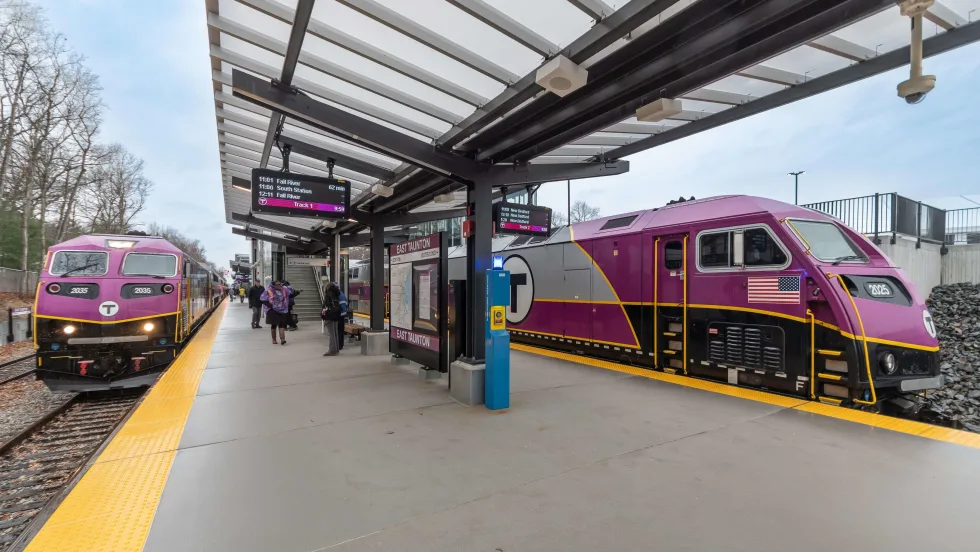
FTA Ends Direct Oversight of MBTA Safety Actions
The federal agency closed its remaining special directive to the Massachusetts Department of Public Utilities following a safety review that began in 2022.
Read More →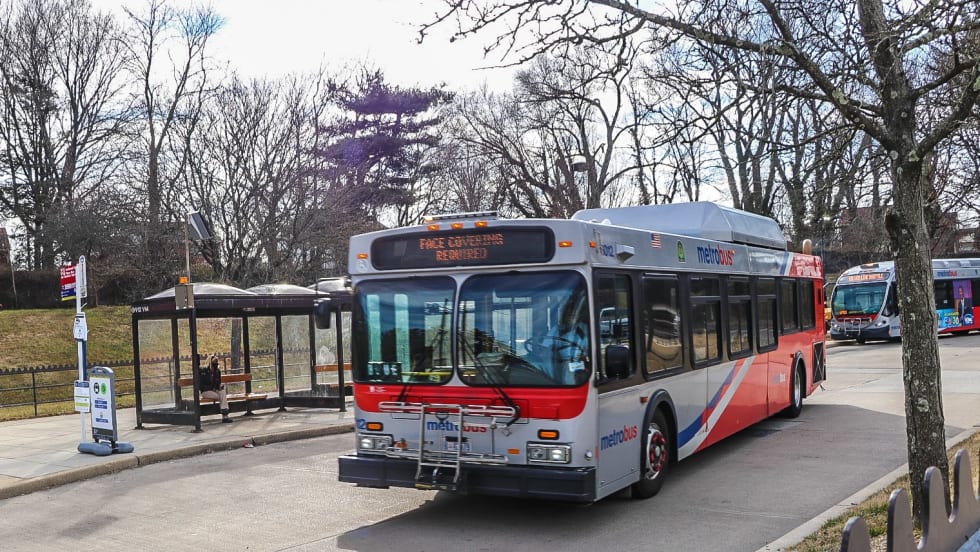
Report: Transit Bus Manufacturing Supports 34,100 Jobs, $5.1B in GDP
The “Buses Mean Business” report examines the transit bus manufacturing industry’s economic footprint, supply chain, and rising demand for vehicle replacements.
Read More →
LIT Marks 10-Year Milestone at Annual Summit
Hosted by the COTA from September 10 to 13, the Summit carried the theme “Celebrating 10 Years of Excellence, Leadership, and Impact,” with every part of the program honoring the people, agencies, and partners who built LIT over its first decade.
Read More →
People Movement: Dan Dipert Coaches Adds Third-Generation Leader, Keolis Names New Valley Metro VP/GM, and More
In this edition, we also cover recent appointments and announcements at the Wabtec, SilverRide, HNTB, and more, showcasing the individuals helping to shape the future of transportation.
Read More →
METRO Opens Submissions for 2026 Motorcoach Awards
Nominations are now being accepted for METRO Magazine’s Operator of the Year and Innovative Operator of the Year awards.
Read More →
New York MTA Advances Final Contract for Second Avenue Subway Expansion
Contract Four is the largest in the Second Avenue Subway Phase 2 project and includes construction of station infrastructure, tracks, and signals for the subway expansion, MTA officials said. Work on Contract Four will begin in 2027.
Read More →