



Facing the real 'crisis' in public transportation
What I am suggesting is that maybe it is time, especially when we are trying to figure out what our next authorization bill will look like, to look at international examples.
We have the highest ridership since the 1950s, record amounts of funding being spent and, yet, a new report is calling the state of the transit industry a "crisis." What is wrong with this picture?
More than many of us care to admit, it turns out. The report published in August, called "Stranded at the Station: The Impact of the Financial Crisis in Public Transportation," was not published by some long-standing opponents of the industry. Rather, it was commissioned by Transportation for America, the nationwide coalition of business, environment, health, transportation, government and redevelopment groups. It found that even though public transit ridership is at its highest since President Eisenhower launched the interstate highway system, nearly 90 percent of U.S. transit agencies have been forced to raise fares or cut service. It called the situation "an epidemic that did not have to happen" and urged greater federal support for transit.
That may be useful in the immediate future, but it does not address the real problem. The sooner we face up to the problem, the better we can deal with it.
The real issue may be on the cost side. For too long, through regulatory mandates but, also, a desire to offer the highest quality service money can buy, the industry costs have continued to go up. Fuel and construction material costs haven't helped much in recent years either, but our overall costs were going up in years when these were under control.
What other countries have done
The real cause of this may be that too much of the role of operating services is provided directly by government. Every other developed country has faced this and came to that conclusion. Britain solved it by shock therapy: It forced its public transportation industry to do without almost all subsidies. Of course, that's not a great answer, either, as the country saw its ridership plummet, taking a decade or more in some cases to recover. The industry did come back, though, and because it is operated by private companies with government oversight, London was able to expand service quickly, as the effects of congestion charges kicked in.
Others have done a little better, with a mix of private operations, often subsidized, and sometimes by forcing the government agencies operating service to compete against interested private companies. In Stockholm, despite heavy union representation, costs came under control and ridership continued to go up.
I am not suggesting an end to government in our industry here. There is a role for both public funding and long-term planning and oversight. What I am suggesting is that maybe it is time, especially when we are trying to figure out what our next authorization bill will look like, to look at international examples. Whatever we do, though, we need to start the conversation, and the talk must be honest.
More Bus
Brian Dickson on Building Stronger, More Resilient Transportation Organizations
Bus Business Consultants Founder Brian Dickson discusses the leadership principles, operational discipline, and strategic planning that separate transportation companies positioned for long-term success from those stuck in survival mode.
Read More →
LA Metro Breaks Ground on Vermont BRT Project
The 12.4-mile corridor is projected to serve 66,200 daily riders, reduce travel times by up to 24%, and create the nation's busiest bus rapid transit corridor.
Read More →
Roman Cornell on ABC Companies’ Evolution and the Future of Passenger Transportation
The company’s CEO discusses carrying forward a third-generation family legacy, ABC’s continued evolution in passenger transportation, support for increasingly complex fleets, and how technology and continued investment could help operators improve uptime.
Read More →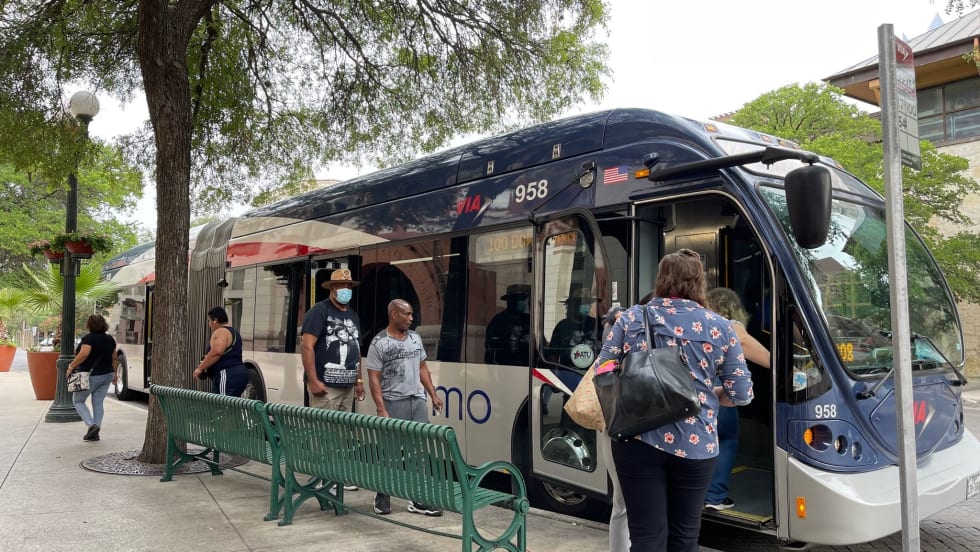
VIA Bus Ridership Grows 10.1% Through August 2026
San Antonio's VIA Metropolitan Transit reported the highest bus ridership growth among major Texas transit systems. Federal Transit Administration data ranked it second among the nation's 50 largest transit systems.
Read More →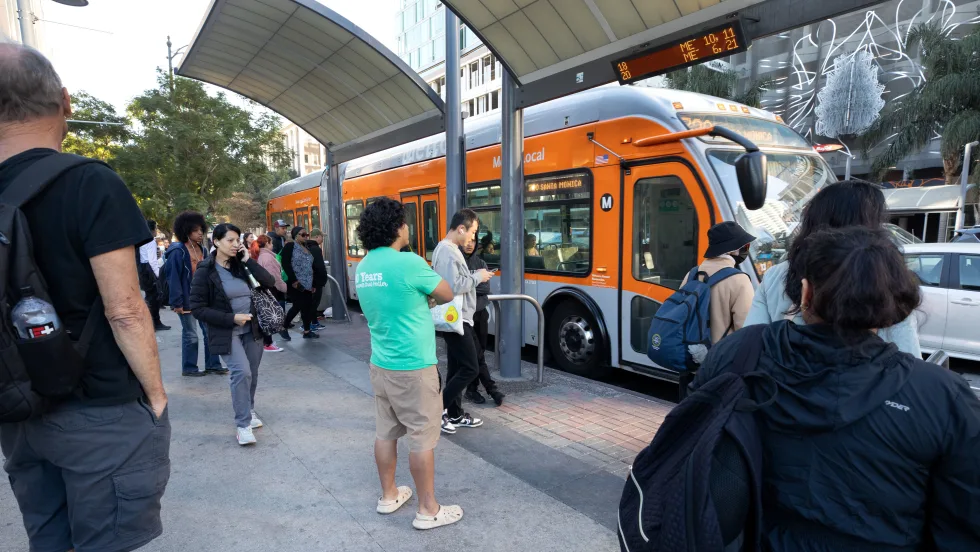
LA Metro September Ridership Climbs 3.9%, Led by Rail Growth
The agency recorded more than 27.2 million boardings, with rail ridership increasing 12.4% year over year and the D Line posting the largest gains.
Read More →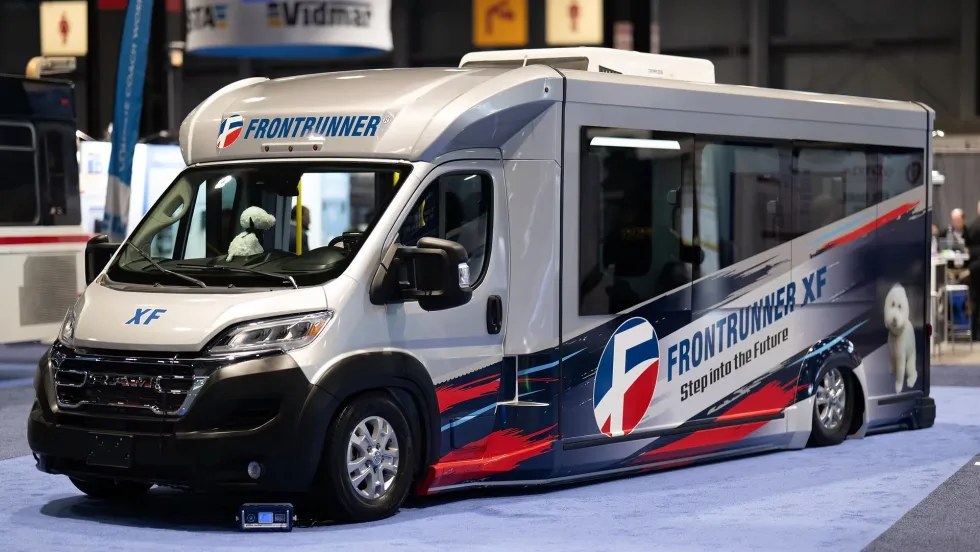
Frontrunner Bus Group Introduces XF Low-Floor Bus with Enhanced Accessibility
The new mid-sized bus features a full flat-floor design, eight-inch curbside step-in height, and zero-entry rear ramp to improve passenger access and operational flexibility.
Read More →
Scenes from APTA TRANSform & EXPO 2026
Transit leaders, manufacturers, and industry professionals gathered in Chicago to explore new technologies, share ideas, and discuss the future of public transportation.
Read More →
More Than a Summer Job: Building the Next Generation of Transit Talent
The Delaware River Port Authority and PATCO have transformed their internship program into a hands-on professional development experience that introduces students to the breadth of transportation careers — and creates a pipeline for future employees.
Read More →
LA Metro Board Awards 220 Battery-Electric Bus Contract to ENC
The contract, which is the largest base award of battery-electric buses by a U.S. transit agency, will be built in Southern California, sustaining good jobs as LA prepares to welcome the world in 2028
Read More →
Public Transit Conference Returning to GFX in 2027, Call for Papers Now Open
The Call for Papers is now open, allowing transit agency professionals and industry experts to help shape the PTC educational program by submitting session ideas for consideration.
Read More →