



FMCSA listening session elicits barbed comments
The FMCSA looks to change its program as the 21st century brings new challenges.
The Federal Motor Carrier Safety Administration (FMCSA) will have to work smarter and more efficiently in order to keep pace with challenges of the 21st century. That's the word from Annette Sandberg, administrator of the FMCSA.
Sandberg spoke recently at an FMCSA "public listening session" on its Comprehensive Safety Analysis 2010 (CSA2010) program, which involves a long-range plan of reorganization and modernization.
Efficiency is a key initiative at FMCSA. There are more than 675,000 commercial motor carriers, with perhaps 4,000 of them bus and coach operators. With so many carriers to regulate, the federal agency visits just 2% of them each year.
These listening sessions are seen by all as only as a beginning. The title provides a clue as to the ultimate timetable — CSA2010 translates into a reorganized agency in six years.
Given that Congress would need to authorize many potential changes, 2010 may indeed be the first realistic date for completion of the FMCSA overhaul.
The attending stakeholders, who included representatives of the American Bus Association, Trailways and the United Motorcoach Association, were asked to comment on every aspect of the FMCSA program.
What was heard was a call for a reassessment not just of the agency's process for enforcement, but for a change in mission. Although FMCSA officials began the session with an evaluation of the compliance review program, delegates asked the agency to rethink that starting point.
Describing the agency as punitive in nature, stakeholders called first for safety incentives, like tax credits or other relief, to motivate carriers to produce exemplary safety records. While enforcement and punitive activity was seen as a necessary part of the process, delegates called for better data to allow a proper focus on what rules are needed, what priorities to establish and which problems should receive more attention.
Transportation Secretary Norman Mineta also addressed the group, urging "a new model" to allow transportation and its safety mandate to move forward in a "changing and expanding environment."
Mineta said the public has a right to expect safety. He added that technology would have to be deployed to leverage human efforts and that current safety efforts, while effective, will have to change as the industry and economy expands.
Comments are still being accepted by the FMCSA. Go to the Federal Register Website at http://dms.dot.gov and search for docket number 18898.
More Management
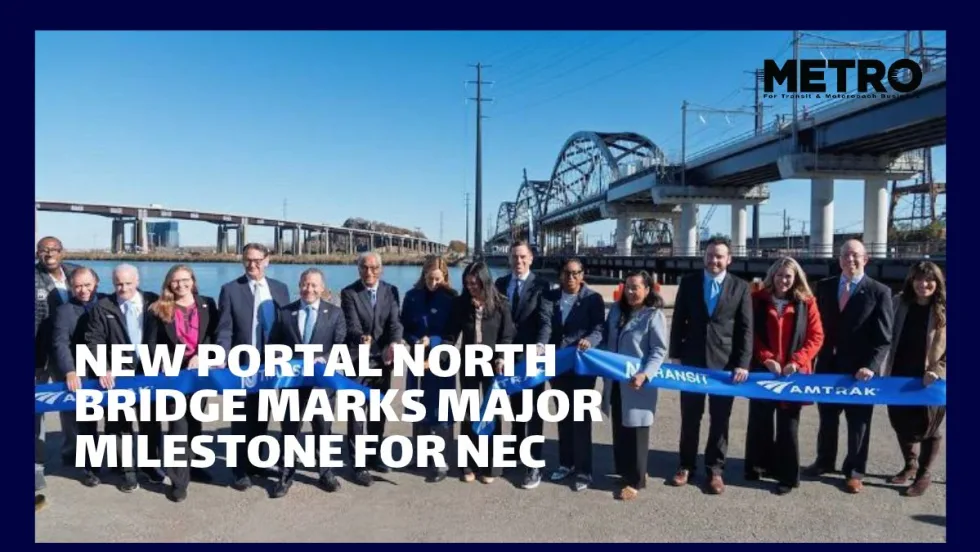
Amtrak, NJ TRANSIT Launch Full Service on New Portal North Bridge
The completion of the two-track bridge over the Hackensack River eliminates a longstanding source of delays for NJ TRANSIT and Amtrak customers. It marks a major milestone for the Gateway Program.
Read More →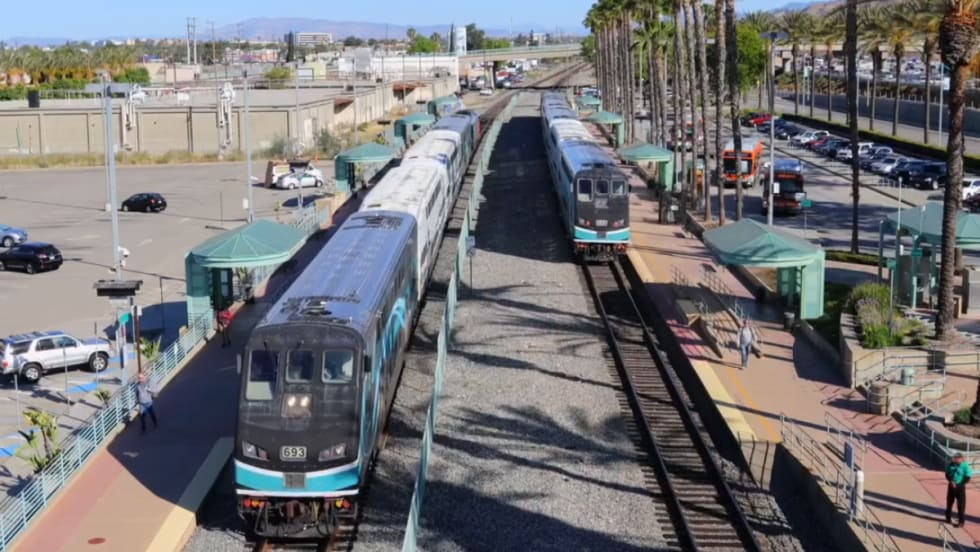
Southern California’s Metrolink Approves $508.8M Budget, Avoids Service Cuts
A $20 million state allocation allows the regional rail agency to maintain existing weekday and weekend service through fiscal year 2028, although longer-term funding challenges remain.
Read More →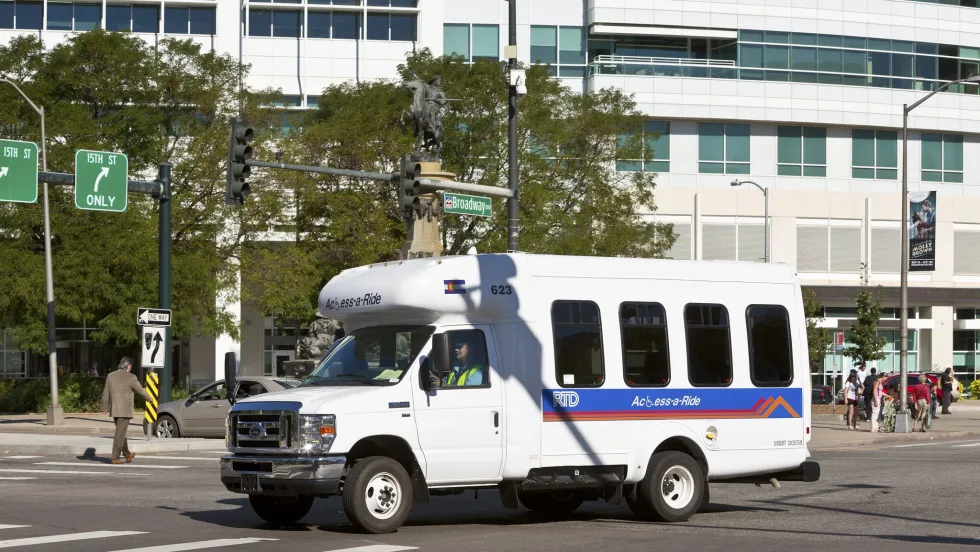
Denver RTD Committee to Review Paratransit Services, Improve Accessibility
The committee will oversee an independent study of paratransit operations, gather customer feedback, and recommend improvements to service reliability, accessibility, and accountability.
Read More →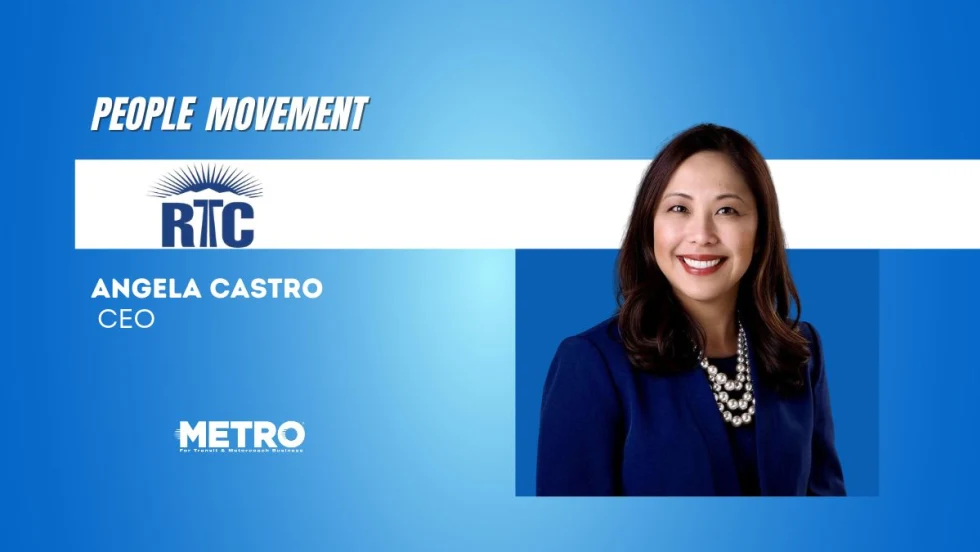
Castro to Lead RTC of Southern Nevada and More in People Movement
In this edition, we also cover recent appointments and announcements at the STV, MCI, and more, showcasing the individuals helping to shape the future of transportation.
Read More →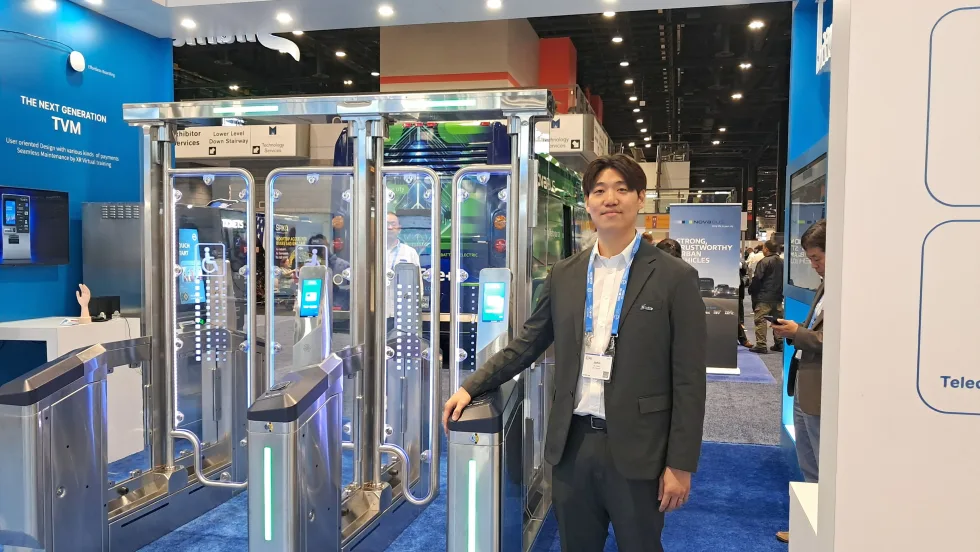
STraffic Expands North American Presence with Fare Collection Technology
John Moon, Associate Director, Product Strategy at STraffic, discusses the company's growth in North America, its efforts to reduce fare evasion, and more.
Read More →
Study: Denver RTD Generates $2.1 Billion in Annual Economic Activity
An economic impact study finds the agency supports approximately 17,500 jobs, delivers $1.6 billion in annual community and mobility benefits, and generates $2.42 in economic value for every dollar invested.
Read More →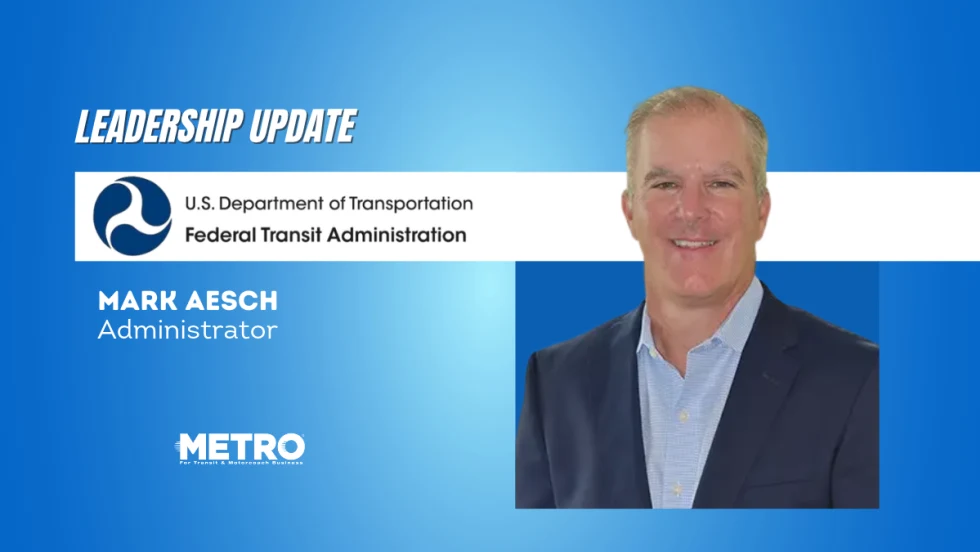
Mark Aesch Nominated to Lead Federal Transit Administration
The former Rochester transit chief and TransPro founder, who has also contributed to METRO Magazine, brings decades of industry experience and a focus on performance, accountability, and financial sustainability to the nomination.
Read More →
Best and Worst U.S. Cities for Public Transportation in 2026
A new analysis of 50 major U.S. urban areas ranks public transit systems based on accessibility, affordability, usefulness, and safety, highlighting where transit performs best and where challenges remain.
Read More →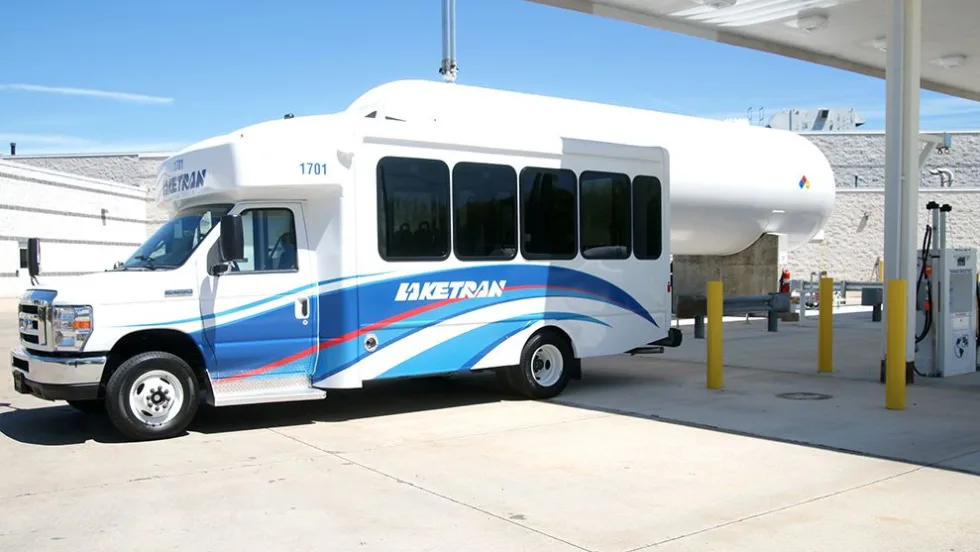
Laketran Cuts Fuel Costs, Boosts Efficiency with Propane-Powered Fleet
The Ohio transit agency is using propane-powered vehicles and on-site fueling infrastructure to cut fuel and maintenance costs while meeting growing demand for paratransit services.
Read More →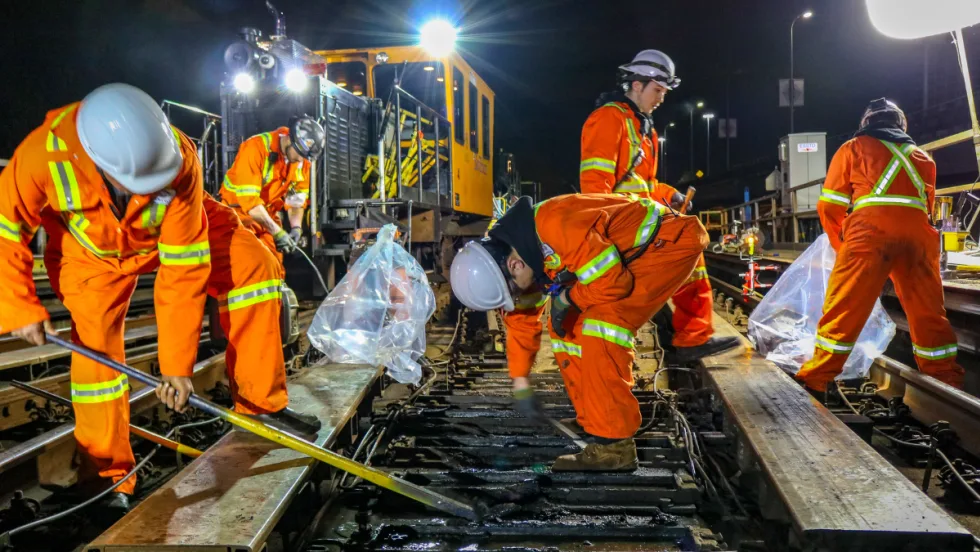
Canada’s Public Transit Supports $65.6 Billion in Annual GDP
New research from the Canadian Chamber of Commerce examines transit's economic contributions, including job creation and the financial implications of transportation investment.
Read More →