



GM Survey: Recession Impacting Operations, Capital Programs
Fourth annual survey finds that one out of four respondents tabbed stimulus funds for operating assistance, while one-third plan to buy vehicles with the money. Meanwhile, the average GM salary is $156,605.

[IMAGE]SeptOct-GM-1.jpg[/IMAGE] IN THIS YEAR’S GENERAL MANAGER SURVEY, THE FOURTH conducted by METRO Magazine, we asked executives if state and local budgets were impacting their operations and capital programs, as well as how they plan on spending their stimulus funds, and what “green” practices and customer improvements they’ve implemented. Overall, 40 executives responded to this year’s survey. Their titles ranged from general manager to executive director to CEO to transit director. Of the respondents, one managed a Canadian system, while the rest manage systems in the U.S.
EXECUTIVE SALARIES
Most of the transit executives in our survey have carved out long-term careers in the industry, with an average of 25 years in public transportation. The longest tenure was 45 years; the shortest was just under a year. The average annual salary for transit executives in this year’s survey totaled $156,605. The lowest reported salary was $63,000; the highest was $266,000. The median was $157,000. Assessing salary against the size of the operational budget (see Figure 2, click on link below) showed a strong correlation. There was also a strong correlation between the amount of experience respondents had with their salaries (Figure 4, click on link below). Ties between fl eet size and salary were pretty predictable with a couple of exceptions (Figure 5, click on link below).
STIMULUS SPENDING
We asked transit executives how they would be spending their stimulus funding (Figure 6, click on link below). Nearly one-third (32 percent) of respondents plan on using the funding to pay for new vehicle purchases, while one out of four respondents are using the money for operations. A majority (43 percent) have tabbed the funding to pay for “other” items, which included: railcar rehabilitation, rail station upgrades, installation of security fencing and video surveillance, improving accessibility at bus stops and purchasing bus shelters. Nearly three out of four survey respondents believe that their local newspaper gives them fair coverage, while only a minimal number (6 percent) felt that media coverage was unfair. When asked about workforce diversity, a majority of transit executives (79 percent) said it wasn’t an issue at their operation.
FUNDING AND OTHER CHALLENGES
Four out of fi ve respondents said state and local budgets were impacting their service operation and capital programs (Figure 7, click on link below). Many listed fare hikes and service cuts as the unfortunate result of the budget cuts. Others cited delays in capital projects due to the shortfalls. “The use of stimulus funds has allowed us to not make signifi cant cuts in service for the next two years. After that, we will be in trouble,” said one respondent. While funding registered as the main issue plaguing transit systems throughout the survey, we asked executives what other challenges came to mind (Figure 9, click on link below). Important issues cited include: responding to the need for more service; hiring and retaining qualifi ed maintenance technicians; costs of labor and benefi ts; and implementing new fare collection systems.
GOING GREEN, HIGH TECH
We addressed the issue of sustainability and asked respondents how they were going green (Figure 10, click on link below). Making fl eets cleaner by switching to alternative fuels, such as CNG or hybrid- electric, was listed by several executives. Many respondents reported on their extensive recycling programs. We also asked about customer service improvements that agencies undertook in the last year. Revamping Websites and offering
To view the full story, click here.
More Bus

Brian Dickson on Building Stronger, More Resilient Transportation Organizations
Bus Business Consultants Founder Brian Dickson discusses the leadership principles, operational discipline, and strategic planning that separate transportation companies positioned for long-term success from those stuck in survival mode.
Read More →
LA Metro Breaks Ground on Vermont BRT Project
The 12.4-mile corridor is projected to serve 66,200 daily riders, reduce travel times by up to 24%, and create the nation's busiest bus rapid transit corridor.
Read More →
Roman Cornell on ABC Companies’ Evolution and the Future of Passenger Transportation
The company’s CEO discusses carrying forward a third-generation family legacy, ABC’s continued evolution in passenger transportation, support for increasingly complex fleets, and how technology and continued investment could help operators improve uptime.
Read More →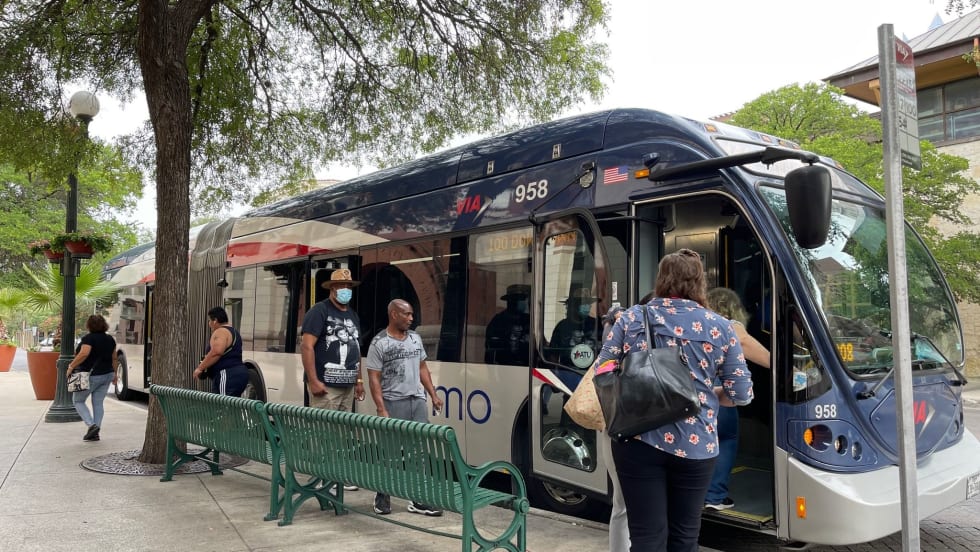
VIA Bus Ridership Grows 10.1% Through August 2026
San Antonio's VIA Metropolitan Transit reported the highest bus ridership growth among major Texas transit systems. Federal Transit Administration data ranked it second among the nation's 50 largest transit systems.
Read More →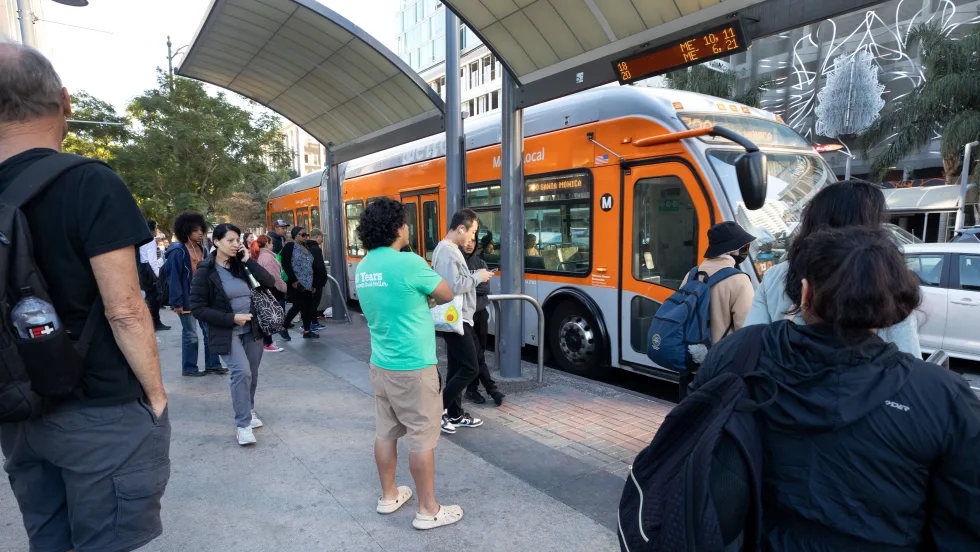
LA Metro September Ridership Climbs 3.9%, Led by Rail Growth
The agency recorded more than 27.2 million boardings, with rail ridership increasing 12.4% year over year and the D Line posting the largest gains.
Read More →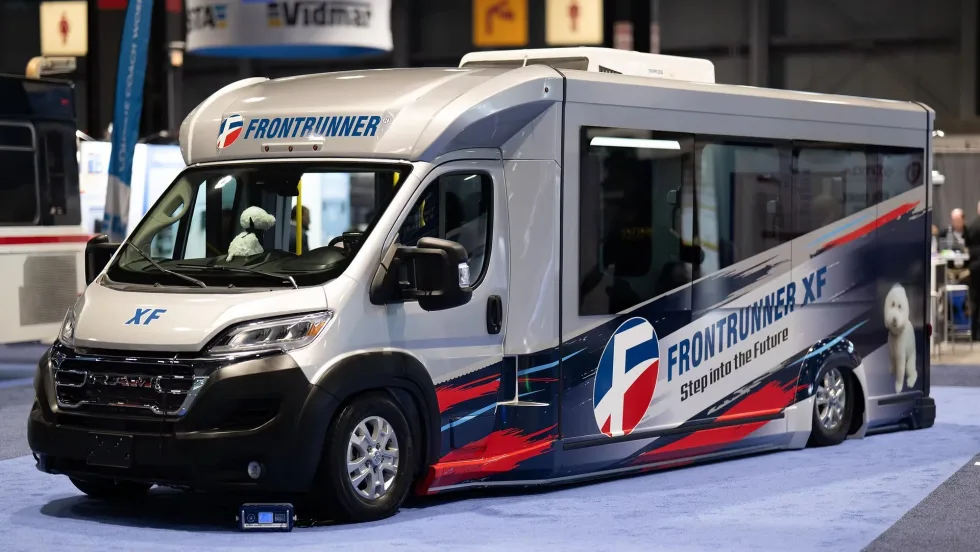
Frontrunner Bus Group Introduces XF Low-Floor Bus with Enhanced Accessibility
The new mid-sized bus features a full flat-floor design, eight-inch curbside step-in height, and zero-entry rear ramp to improve passenger access and operational flexibility.
Read More →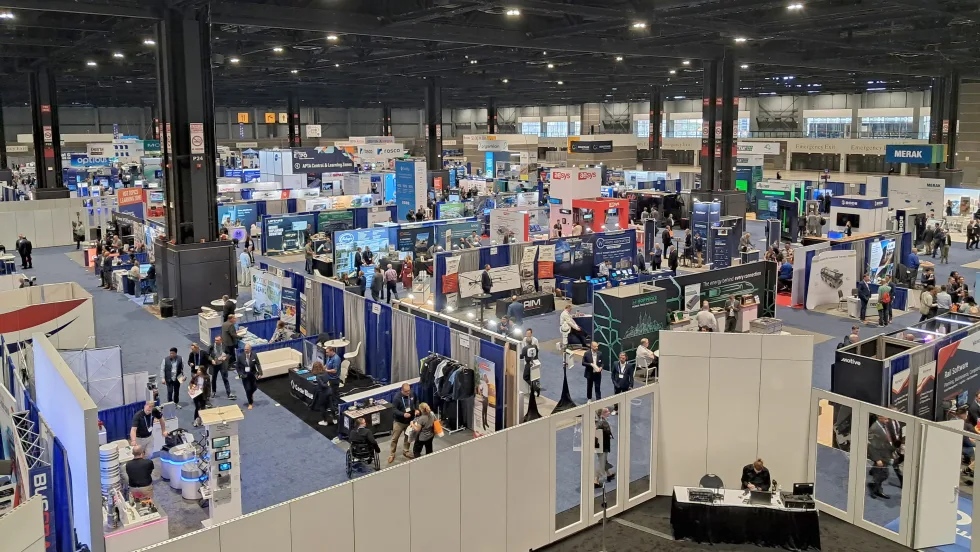
Scenes from APTA TRANSform & EXPO 2026
Transit leaders, manufacturers, and industry professionals gathered in Chicago to explore new technologies, share ideas, and discuss the future of public transportation.
Read More →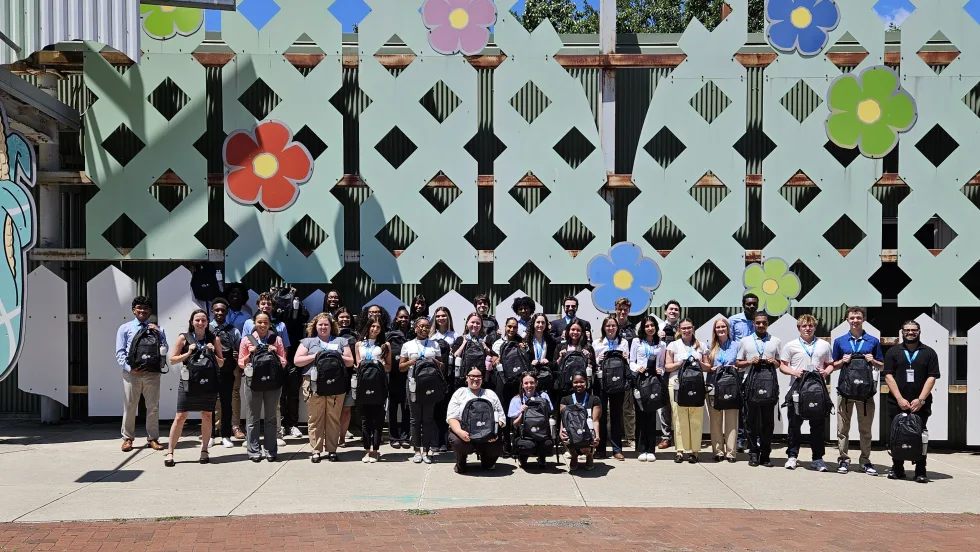
More Than a Summer Job: Building the Next Generation of Transit Talent
The Delaware River Port Authority and PATCO have transformed their internship program into a hands-on professional development experience that introduces students to the breadth of transportation careers — and creates a pipeline for future employees.
Read More →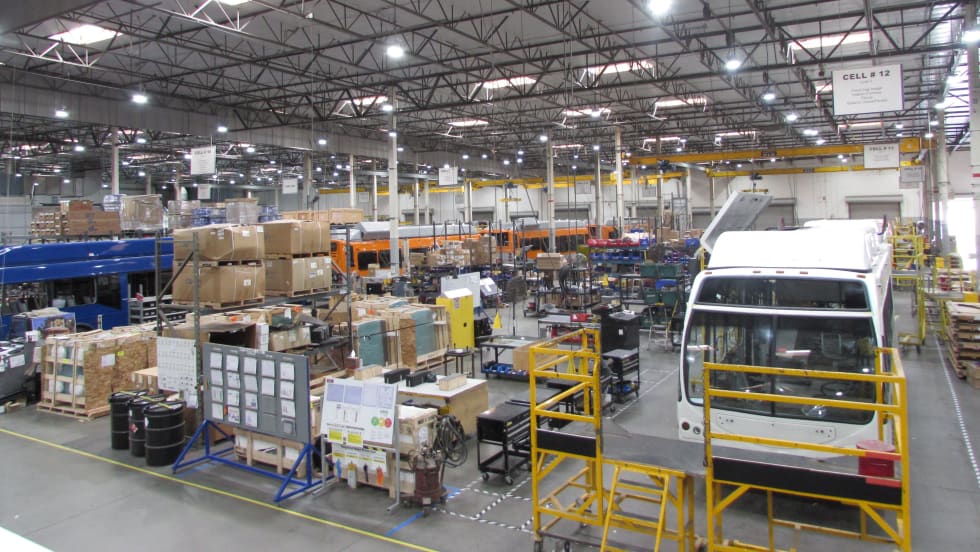
LA Metro Board Awards 220 Battery-Electric Bus Contract to ENC
The contract, which is the largest base award of battery-electric buses by a U.S. transit agency, will be built in Southern California, sustaining good jobs as LA prepares to welcome the world in 2028
Read More →
Public Transit Conference Returning to GFX in 2027, Call for Papers Now Open
The Call for Papers is now open, allowing transit agency professionals and industry experts to help shape the PTC educational program by submitting session ideas for consideration.
Read More →