



'Googling' a better industry
The various utilities of google.com can be a boon to your operations.
In the past two or three years, the rise of the Internet superpower known as Google has entered nearly every realm of the public consciousness. From a record-breaking IPO to headline-grabbing technology unveilings, the Silicon Valley-based company has put quite a stamp on current events in a range of industries.
Last December, Google entered new territory when it debuted a public transit-based planning service. Google Transit Trip Planner, at present operating a pilot with tech-savvy TriMet in Portland, Ore., allows users to enter specifics of their desired trip — times, origin and destination — and get the most efficient, step-by-step itinerary available. The site also uses the average cost per mile of driving and calculates whether it is more cost-effective to drive or take public transit. The effects of this service launch on public transit are various and sundry.
“First, it is a stark recognition by a powerhouse information-age organization that transit systems can and do play a vital role in mobility,” says Dave Turney, president of Digital Recorders Inc. and an active public transit advocate. The trip planner also has the potential to increase demand for transit services, and in turn become a boost to industry suppliers, he adds.
A new world of functionality
With the precedent set that Google tools and technologies can be a boon to public transportation, I’ve decided to list some other Google services with the potential to help you in your day-to-day duties. I’m sure there are many more.
Google maps. This revolutionary software allows users to view geographical regions as up-to-date maps or using satellite images from space. Just type in a ZIP code to start.
Google alerts. Set up a Google alert on a keyword or topic, and the site will perform an automatic search function every day (or whenever you specify), providing in your e-mail inbox a list of search results taken from news articles and various Websites. Setting an alert for the phrase “public transit” has been a godsend in the METRO office.
G-mail functions. Google’s free Gmail e-mail services are catching on with professionals in many industries due to a combination of advanced technologies, high storage capacities and interactive features. For example, you can back up messages from your work e-mail by filtering them into a Gmail account, which provides 2.5 gigabytes of free storage. If you need to locate them later, just use Gmail’s keyword search tool.
Mobile connectivity. Google allows the capability to remotely use its search engines or access your Gmail account from a mobile phone or PDA.
Caveat emptor?
Of course, I would be remiss not to mention the widespread privacy concerns over Google’s information collection and storage capabilities. The central questions to most users have been: How much does Google know about me, and what are they doing with this information? In January, the U.S. Department of Justice subpoenaed a week’s worth of Internet search queries from Google and other sites, with the focus on finding and cleaning up illicit online material. After Google’s rejection of the subpoena and a pending lawsuit, it remains unclear how these questions of online information usage will be answered.
For the time being, the safest policy is to use your best judgment with regard to any personal information you provide. I think we all know by now that nothing in life comes for free. So you can rest assured that the many utilitarian features of the Google network come with some strings attached. (Namely that you become a walking, breathing target for online advertising solicitations.) But in terms of fast, easy techniques to make your job easier, Google has a lot to offer.
More Management

Castro to Lead RTC of Southern Nevada and More in People Movement
In this edition, we also cover recent appointments and announcements at the STV, MCI, and more, showcasing the individuals helping to shape the future of transportation.
Read More →
STraffic Expands North American Presence with Fare Collection Technology
John Moon, Associate Director, Product Strategy at STraffic, discusses the company's growth in North America, its efforts to reduce fare evasion, and more.
Read More →
Study: Denver RTD Generates $2.1 Billion in Annual Economic Activity
An economic impact study finds the agency supports approximately 17,500 jobs, delivers $1.6 billion in annual community and mobility benefits, and generates $2.42 in economic value for every dollar invested.
Read More →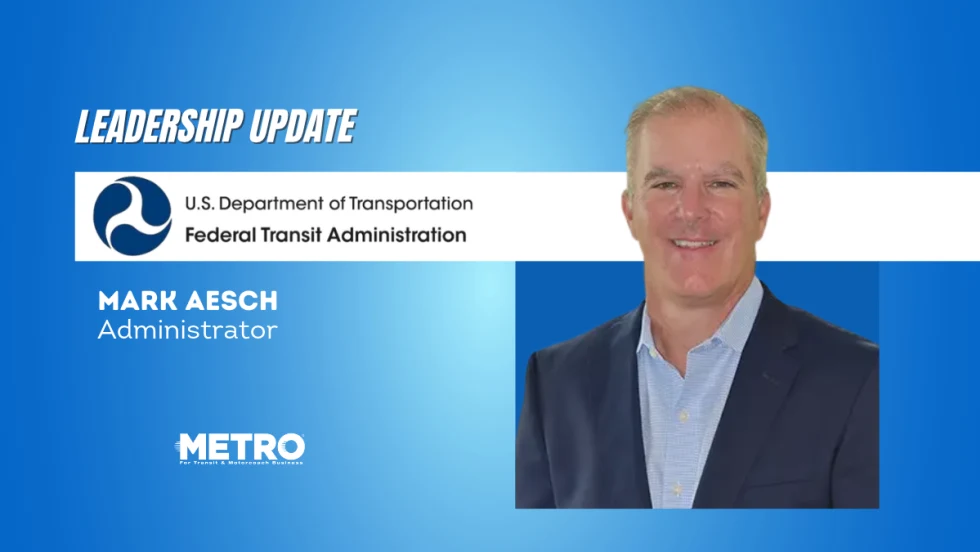
Mark Aesch Nominated to Lead Federal Transit Administration
The former Rochester transit chief and TransPro founder, who has also contributed to METRO Magazine, brings decades of industry experience and a focus on performance, accountability, and financial sustainability to the nomination.
Read More →
Best and Worst U.S. Cities for Public Transportation in 2026
A new analysis of 50 major U.S. urban areas ranks public transit systems based on accessibility, affordability, usefulness, and safety, highlighting where transit performs best and where challenges remain.
Read More →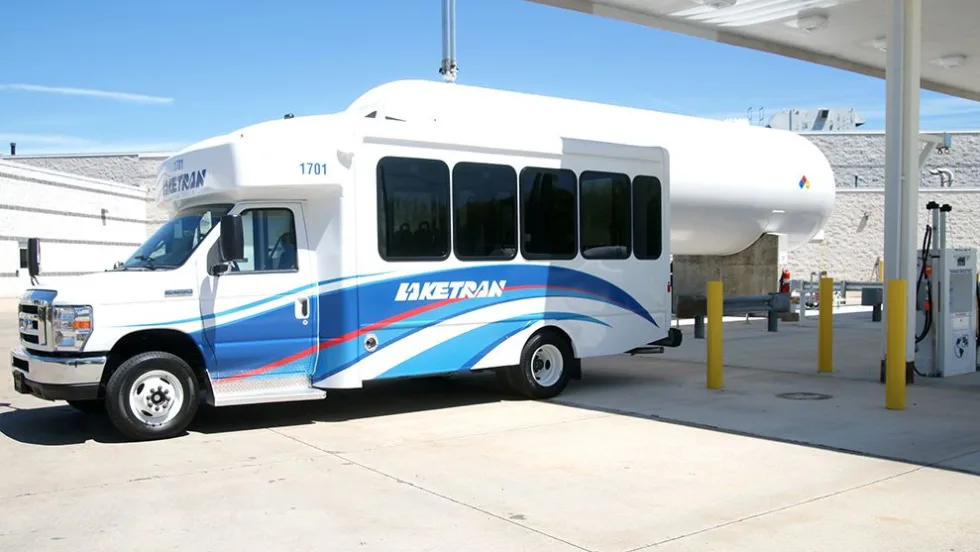
Laketran Cuts Fuel Costs, Boosts Efficiency with Propane-Powered Fleet
The Ohio transit agency is using propane-powered vehicles and on-site fueling infrastructure to cut fuel and maintenance costs while meeting growing demand for paratransit services.
Read More →
Canada’s Public Transit Supports $65.6 Billion in Annual GDP
New research from the Canadian Chamber of Commerce examines transit's economic contributions, including job creation and the financial implications of transportation investment.
Read More →
Pierce Transit Moves to Expand Fleet Following Proposition 1 Approval
The agency authorized the purchase or refurbishment of up to 60 buses to support a 47% service expansion, as voters nationwide approved billions in new transit funding.
Read More →
Right-Sizing Rural Transit: Lessons from North Grenville’s On-Demand Model
A small municipality shows how flexible service, rider needs, and public accountability can expand mobility with limited resources.
Read More →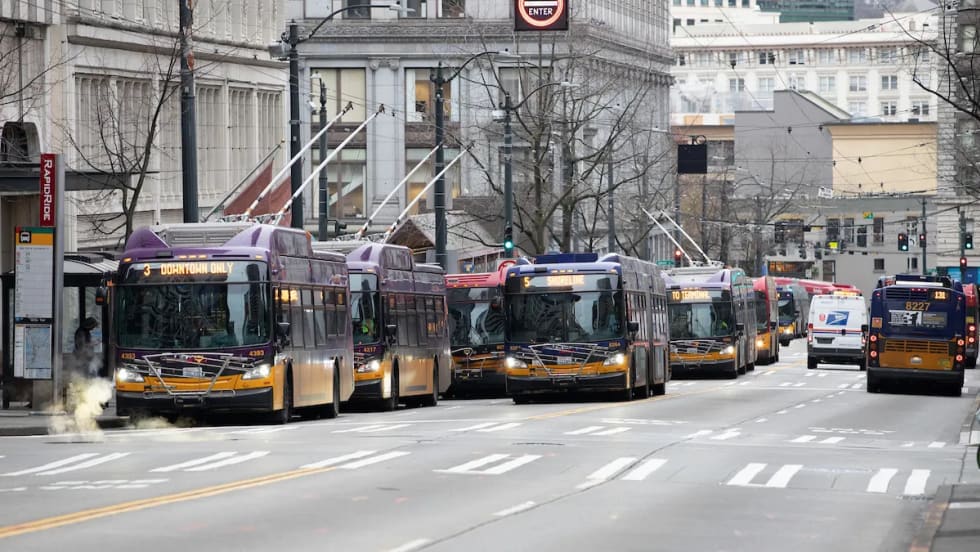
Transit Ballot Victories Signal Strong Voter Support: What Comes Next?
Voters approved billions in public transportation investments in 2026, giving agencies opportunities to preserve service, expand operations, and strengthen regional connections amid a changing political landscape.
Read More →