



Hurricane prompts community outreach by public, private operators
Lee County Transit (Fla.) operated four designated evacuation routes before Hurricane Charley and transported emergency crews after the storm.
The destruction caused by Hurricane Charley in southwest and central Florida gave transit agencies and motorcoach operators the opportunity to help community members in need.
The mid-August storm brought heavy winds and downpours that closed roads, destroyed buildings and left many without power for nearly a week.
Lee County Transit (LeeTran) on Florida's southwest coast began operating four designated evacuation routes the day before the storm was scheduled to hit. These routes picked up anyone who wanted to go to a shelter for protection.
Escot Bus Lines in Largo, Fla., helped evacuate nursing home residents in areas threatened by the hurricane and transported them back when the area was deemed safe.
Once the damage had been assessed, local motorcoach operators donated buses to transport Habitat for Humanity volunteers to Polk County — one of the most severely affected areas — to help rebuild homes and remove debris.
Buses were also provided to the Red Cross and the Salvation Army, as well as to church groups at discounted rates to assist in the clean-up.
LYNX, which serves Orlando and surrounding areas, was able to begin operating most of its regular routes within 32 hours of the hurricane. The biggest issues facing the agency were power outages combined with hazardous road conditions, said Brian Martin, manager of media relations.
Drivers were told to treat non-functioning signal lights as four-way stops to avoid accidents, he added.
LYNX's fleet weathered the storm with only minor water damage, which Martin attributed to early preparation.
"We parked the buses as tight as possible and then circled them with more buses that we figured we could sacrifice if we had to," he said.
LeeTran continued to shuttle residents and out-of-town visitors to and from shelters while its fixed-route service was down. It also transported volunteers and the county's emergency response team to areas where damage occurred.
Orlando-based Mears Transportation used generators to keep its office operational in the aftermath of the storm, but vehicles were only kept off the road for about 10 hours during the harshest weather.
Mears received some unanticipated business from travelers whose departure was delayed due to the hurricane, said Bret Voisin, VP of sales and marketing.
Jeff Shuler, marketing manager for LeeTran, estimated that approximately 35,000 trips were affected by the hurricane during the agency's four-day closure. He predicted that decreased ridership would continue due to fewer tourists.
"During the actual emergency, the staff really pulled together and played an integral role in helping the community pull through this," said Shuler. "These unfortunate situations really bring everyone closer together."
At press time, Florida was bracing for Hurricane Frances.
More Management
Brian Dickson on Building Stronger, More Resilient Transportation Organizations
Bus Business Consultants Founder Brian Dickson discusses the leadership principles, operational discipline, and strategic planning that separate transportation companies positioned for long-term success from those stuck in survival mode.
Read More →
LA Metro Breaks Ground on Vermont BRT Project
The 12.4-mile corridor is projected to serve 66,200 daily riders, reduce travel times by up to 24%, and create the nation's busiest bus rapid transit corridor.
Read More →
Building Stronger Leaders, More Resilient Transit Teams
Dr. Carol Parker Walsh discusses leadership development, employee retention, workplace culture, and preparing transit’s workforce for AI and automation.
Read More →
Roman Cornell on ABC Companies’ Evolution and the Future of Passenger Transportation
The company’s CEO discusses carrying forward a third-generation family legacy, ABC’s continued evolution in passenger transportation, support for increasingly complex fleets, and how technology and continued investment could help operators improve uptime.
Read More →
CATS Launches West Charlotte Microtransit Zone, Expands Transit Services
The new microtransit zone connects residents to key destinations as Charlotte Area Transit System rolls out the first phase of its 2055 Transit System Plan.
Read More →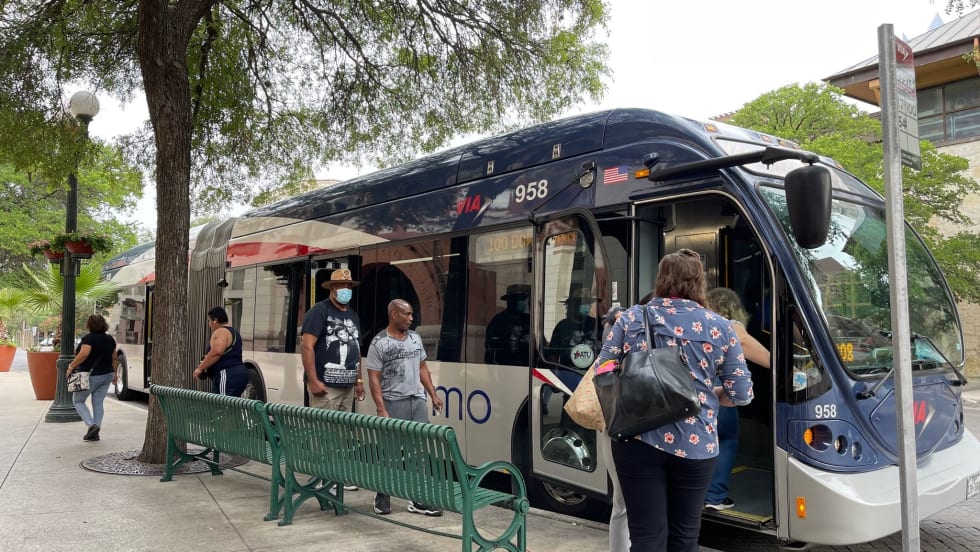
VIA Bus Ridership Grows 10.1% Through August 2026
San Antonio's VIA Metropolitan Transit reported the highest bus ridership growth among major Texas transit systems. Federal Transit Administration data ranked it second among the nation's 50 largest transit systems.
Read More →
CSA Group Releases Climate Resilience Standard for Transit, Passenger Rail
Developed with support from the Standards Council of Canada, CSA D700 guides assessing climate-related risks and planning adaptation measures for transit and passenger rail systems.
Read More →
ETA CEO John Maglio on Transit Technology, Innovation, and Building Agency Trust
ETA founder and CEO John Maglio explores the evolution of transit technology, the importance of reliable systems, and how stronger partnerships can help agencies improve operations and the passenger experience.
Read More →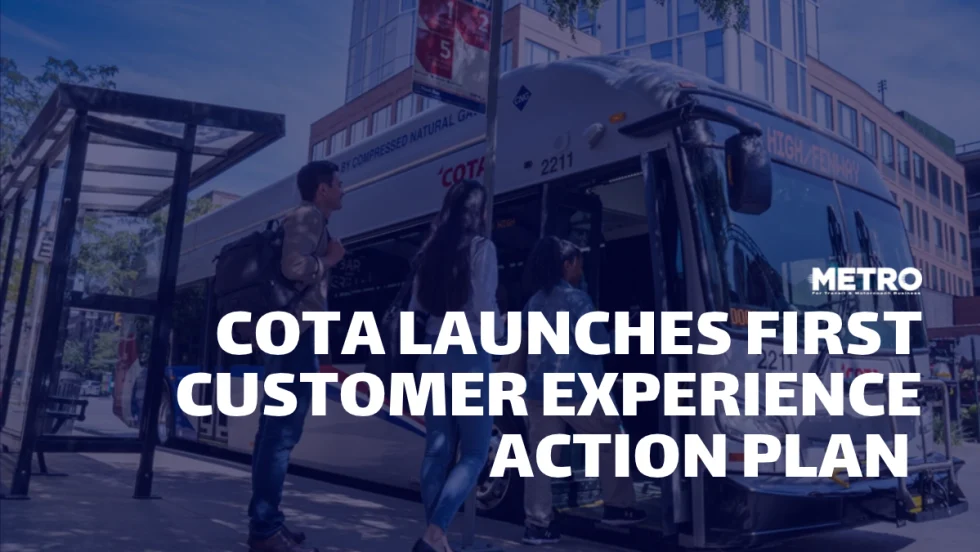
COTA Launches First Customer Experience Action Plan to Improve Transit Service
The new plan outlines improvements to service reliability, accessibility, communication, and the overall rider experience across Central Ohio's transit system.
Read More →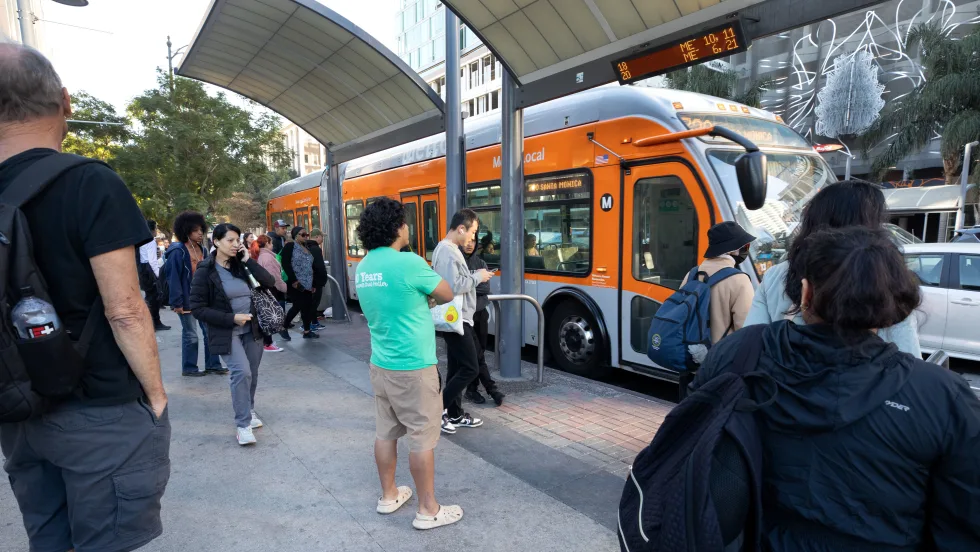
LA Metro September Ridership Climbs 3.9%, Led by Rail Growth
The agency recorded more than 27.2 million boardings, with rail ridership increasing 12.4% year over year and the D Line posting the largest gains.
Read More →