




Intercity Bus Lines Make Big Moves, Heightening Competition and Customer Choice
Intercity Bus Lines Gearing Up for a Strong Summer, but Challenges Remain
Forecasts for intercity bus travel are markedly better than those generally made for public transit, but somewhat less optimistic than that for Amtrak predicted by McKinsey & Co.
February 24, 2022
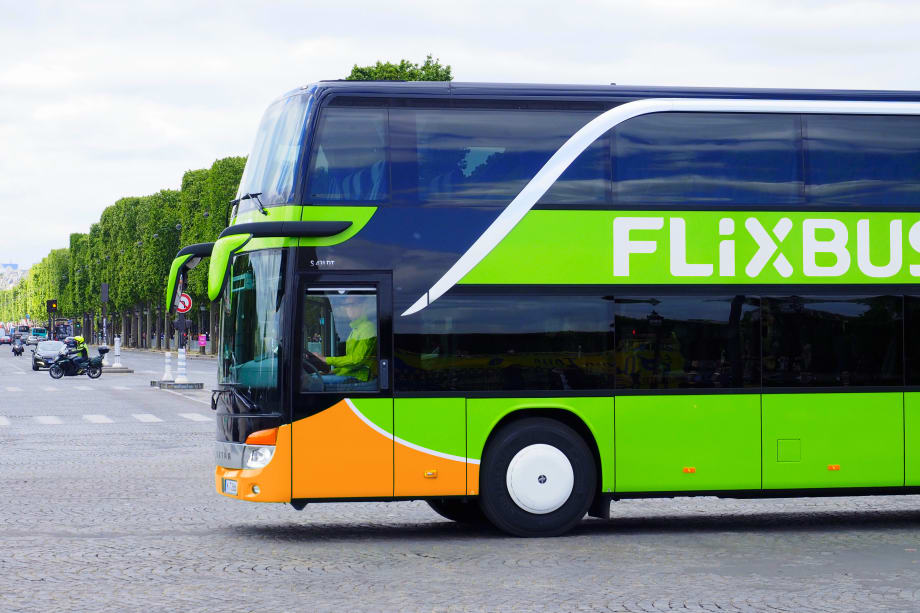
DePaul’s “Routes to Recovery: 2022 Outlook for the Intercity Bus Industry” report describes a sector battered by the pandemic.
Photo: FlixBus
4 min to read
America’s intercity bus industry, long known for Greyhound, Megabus, and Trailways, is gearing up for what is expected to be a strong summer.
A DePaul University study predicts traffic will reach three-quarters of pre-pandemic levels during the warmer months and rise to more than 80% of pre-pandemic levels next year. Its forecasts for intercity bus travel are markedly better than those generally made for public transit, for which ridership is more profoundly affected by changes in downtown work trips spurred by work-from-home lifestyles, but somewhat less optimistic than that for Amtrak predicted by McKinsey & Co.
“The recent ticketing buildup on routes, particularly those that don’t rely on commuter traffic, indicates clearly that intercity bus travel is on the mend,” noted Joseph Schwieterman, a DePaul professor who co-wrote the study. Schwieterman attributes much of the growth to the tendency for bus trips to involve personal rather than business travel.
DePaul’s “Routes to Recovery: 2022 Outlook for the Intercity Bus Industry” report describes a sector battered by the pandemic. BoltBus permanently suspended operations in September, and several smaller lines have disappeared. On many routes, buses run less frequently than before the pandemic, sometimes only three or four days a week. But a gradual recovery has pushed traffic up to 60% to 70% of the pre-pandemic range on some routes, the authors note, and there is much pent-up demand that will allow for further gains this spring and summer.
FlixMobility’s acquisition of Greyhound last November could bring big changes to bus travel, due in part to the buyer’s ready access to venture capital. Even so, the authors expect FlixBus and Greyhound to remain separate entities for the foreseeable future, despite now having a common owner.
“Each will likely maintain separate ticketing platforms and interline partners,” noted Schwieterman, who expects FlixBus “to take steps to leverage Greyhound’s vast network to give customers enhanced schedule options.”
This could entail coordinated schedules to shorten connecting times and reaccommodate passengers who miss their connections. One possibility, he believes, is that some buses will make two downtown stops — one at the Greyhound station and the other at the FlixBus stop — to facilitate transfers.
More difficult to predict is the direction of FlixBus’s capital investment — whether it uses such spending to bolster Greyhound’s fleet and facilities or directs it elsewhere. This answer may hinge on how contractual arrangements for operating and maintaining FlixBus’s services play out. Unlike Greyhound, FlixBus relies almost entirely on contractors to operate its service.
The report noted that a broad restructuring of the industry and new technological adoptions, which were already gathering momentum before the pandemic, are in the offing because of two years of public health distress and consequent restrictions. Independent carriers are selling tickets through booking aggregator websites, such as wanderu.com, which has long been an industry leader, as well as lesser-known platforms like gotobus.com and ilikebus.com, who specialize in bus travel. These sites allow consumers to compare their options much like on Expedia. “Bus lines can no longer hang back and rely on word-of-mouth to reach customers — they want to be seen when customers surf the web,” said Allison Woodward, a co-author of the study. FlixBus and Megabus are also getting in on the act, too, adding smaller bus lines to flixbus.com and megabus.com, respectively.
The demise of BoltBus and the withdrawal of Megabus from the West Coast, meanwhile, are creating opportunities for other carriers. So is rapid population growth in the SunBelt and Mountain states. Last year, Salt Lake Express expanded service from its hub in Salt Lake City, RedCoach launched premium service in Texas, and Tufesa and other lines catering to Spanish-speaking populations grew rapidly in Phoenix and the Southwest. In other cases, expansion has been held back by driver and mechanic shortages.
“Unlike public transit services, which in most cities closely resemble pre-pandemic offerings, and to some extent, airlines as well, the intercity bus industry is now dramatically different than it was at start of 2020,” said Abby Mader, who did the cartography for the DePaul report.
Subscribe to Our Newsletter
More Motorcoach

METRO Opens Submissions for 2026 Motorcoach Awards
Nominations are now being accepted for METRO Magazine’s Operator of the Year and Innovative Operator of the Year awards.
Read More →
Biz Briefs: Alstom Lands Canadian Contract, LYT to Supply California TSP, and More
In METRO's latest installment, we take a look at recent news from Complete Coach Works, Beep, FlixBus, and more partnerships making headlines across the transportation sector.
Read More →
Biz Briefs: RIPTA Unveils New Frontrunners, Clevland RTA Adds New Siemens, and More
In METRO's latest installment, we take a look at recent news from Siemens, Prevost, Dodge, and more partnerships making headlines across the transportation sector.
Read More →
People Movement: Holly Arnold Joins Transdev and More
In this edition, we also cover recent appointments and announcements at Pace, CamTran, MCI, and more, showcasing the individuals helping to shape the future of transportation.
Read More →
ABA Report: Motorcoach Travel Generates $161.6B Economic Impact
The 2025 analysis finds motorcoach travel supported nearly 900,000 jobs and generated $28 billion in federal, state, and local taxes.
Read More →
CharterUP’s Armir Harris on Technology, AI, and the Future of Group Mobility
In a recent episode of METROspectives, CharterUP Founder/CEO Armir Harris discussed the company’s evolution from an online charter bus marketplace into a technology platform supporting public- and private-sector mobility and much more.
Read More →
People Movement: ABC Names John Walsh as Chief Commercial Officer
In this edition, METRO also covers recent appointments and announcements at the DART, STV, and more, showcasing the individuals helping to shape the future of transportation.
Read More →
From Surviving to Thriving: Building Stronger Transportation Organizations
Bus Business Consultants founder Brian Dickson shares lessons on leadership, organizational health, and creating options for long-term success in a changing transportation industry.
Read More →
Biz Briefs: Luminator Marks Milestone and More
From manufacturers and suppliers to transit agencies and motorcoach operators, these updates offer a snapshot of the projects, partnerships and business moves driving the industry forward.
Read More →
ABAF Study Reveals Growing Insurance Crisis for Motorcoach Operators
Preliminary findings show 98% of operators faced premium increases over the past five years, while shrinking insurer participation is putting added pressure on businesses and customers.
Read More →