



International bus exhibit attracts 24,300 visitors to Belgian venue
Busworld Exhibition, the world's largest bus and coach show, demos new designs and technologies from around the world.

New coach and bus trends and innovations were presented at the Busworld exhibition in Kortrijk, Belgium, held in mid-October. The exhibit, which many report as being the largest world exhibition devoted to buses and coaches, has grown in importance over the years. This year’s Busworld attracted 24,300 visitors from 105 countries. There were an estimated 286 exhibitors, including 41 bus manufacturers. A number of bus manufacturers introduced new bus or coach models. Other firms presented a wide range of components and services to the bus and coach industry. New technologies featuring hybrid engines, fuel-cell development and gas applications were shown by several of the manufacturers. This year’s International Coach of the Year competition, chosen by a jury of bus industry journalists and announced at the show, resulted in a tie. The two winners were the Scania K124 Irizar PB coach and the MAN Lion Star of the Neoman organization. Most of the large bus manufacturers exhibited up to a dozen buses and coaches. There were also several new designs such as the CompoBus exhibited by NABI. One of the manufacturers of the Dutch VDL Group showed a bi-articulated APTS bus. Irisbus displayed 11 buses and coaches and promoted its hybrid, fuel-cell, gas and clean diesel propulsion. Van Hool also had 11 buses at its display. Setra premiered its three-axle touring coach, S416HDH, featuring 50-passenger seating, as well as its range of ComfortClass 400 coaches. Marcopolo, the world’s largest bus builder, with a plant in Portugal, indicated it was strengthening its presence in Europe and showed several models designed for the European market. Present at the show was Marcopolo’s president, Paulo Bellini — recently honored as the bus manufacturer of the year. Several new bus manufacturers exhibited buses and coaches, including Temsa from Turkey and Solaris from Poland. Interesting trends observed at the Busworld exhibition were the number of 15-meter buses (49.2 feet) shown. The 15-meter buses have been in production for a number of years, and are now seen on many streets and roads in Europe. When asked about the 15-meter bus success, manufacturers agreed that these buses were quite popular. It was reported that the 15-meter buses in service generally carry as many passengers as an 18-meter articulated bus. The reason provided was that passengers usually don’t like to occupy the space in the articulated joint, even if seats are in the joint. Then, the maintenance of the 15-meter bus is less because the articulated joint is often an added maintenance concern. Because the engine is located in the rear of some articulated buses, there are some safety concerns, especially on slippery surfaces. A low floor is possible for most of the floor space of a 15-meter bus. The third axle can be steered, making the bus maneuverable even on narrow streets with tight turns. A discussion on trolley buses and their future, although sometimes not favorable, revealed that there is a continued interest in trolley buses. One manufacturer cited examples of new trolley bus installations in Landskrona, Sweden, and Rome as well as renewal of present trolley bus fleets in many cities. It was also noted that trolley buses are now being built with the 15-meter bodies. — Bill Luke
More Management
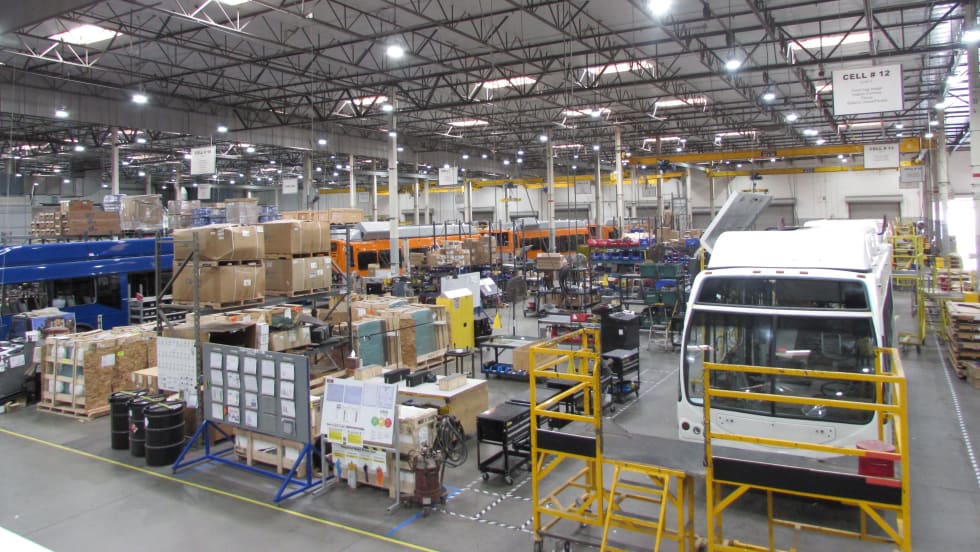
LA Metro Board Awards 220 Battery-Electric Bus Contract to ENC
The contract, which is the largest base award of battery-electric buses by a U.S. transit agency, will be built in Southern California, sustaining good jobs as LA prepares to welcome the world in 2028
Read More →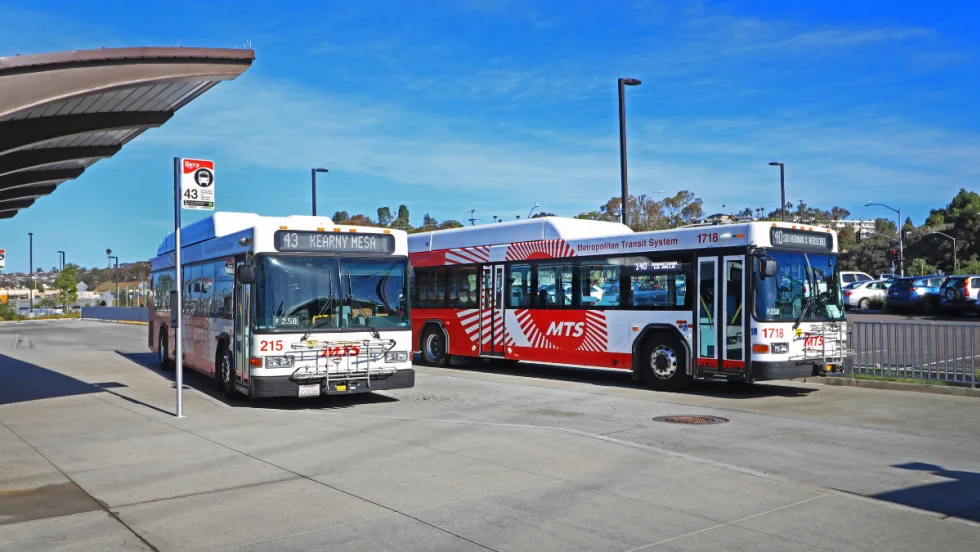
What’s Behind San Diego MTS’s Award-Winning Transit Strategy
Named one of APTA’s 2026 Outstanding Public Transportation Systems with 50 million or more annual passenger trips, California’s San Diego Metropolitan Transit System points to gains in ridership, safety, technology, and reliability as foundations of its success.
Read More →
Public Transit Conference Returning to GFX in 2027, Call for Papers Now Open
The Call for Papers is now open, allowing transit agency professionals and industry experts to help shape the PTC educational program by submitting session ideas for consideration.
Read More →
Indian River Transit’s Community-Focused Approach Earns National Recognition
Named APTA’s 2026 Outstanding Public Transportation System in its size category, Florida’s Indian River County transit system continues to grow ridership through fare-free service and a focus on evolving community needs.
Read More →
ENC Lands MATA Contract and More in Biz Briefs
In this edition of Biz Briefs, we spotlight the latest developments shaping the future of mobility.
Read More →
From Surviving to Thriving: Building Stronger Transportation Organizations
Bus Business Consultants founder Brian Dickson shares lessons on leadership, organizational health, and creating options for long-term success in a changing transportation industry.
Read More →
Everett Transit, Community Transit Outline Consolidation Agreement
The proposed agreement calls for a 50% increase in bus service in Everett, a new microtransit zone, continued paratransit service, and the transfer of Everett Transit operations to Community Transit.
Read More →
Strada360’s Steve Lassey on Turning Transit Data Into Better Decisions
From breaking down data silos to preparing for AI, Strada360 CEO Steve Lassey discusses how transit agencies can use technology to improve operations, customer information, and long-term decision-making.
Read More →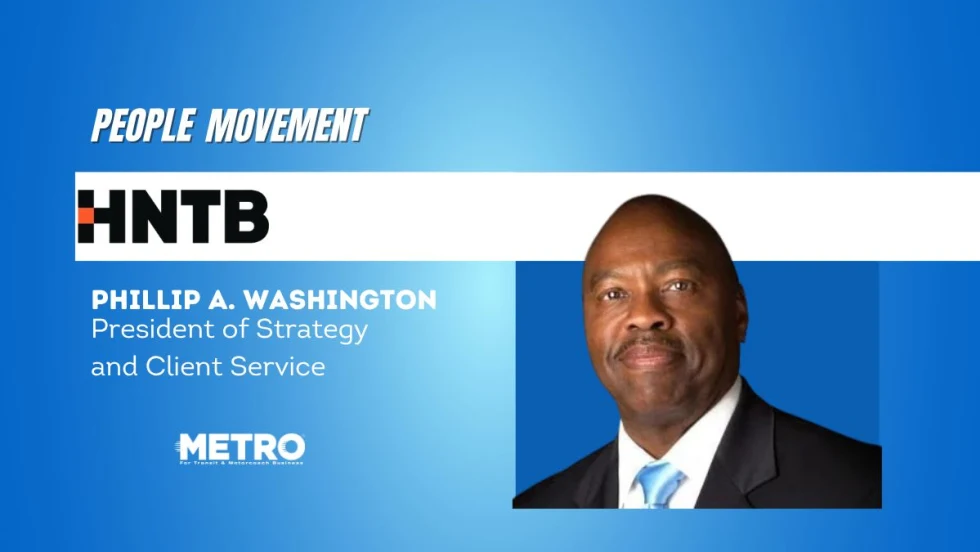
People Movement: Phil Washington Joins HNTB, Denver RTD Launches CEO Search, and More
In this edition, we also spotlight recent personnel moves at STV, the Eno Center for Transportation, and more, highlighting the people taking on new roles across the transportation industry.
Read More →
SEPTA Details Accelerate Vision for Transit System
The plan outlines investments in trolley modernization, new Metro and Regional Rail vehicles, accessible stations, and more frequent bus and rail service.
Read More →