



Keeping it simple with frames, suspensions
Two of the most important components of a roadworthy vehicle are the frame and suspension systems, which exist independently but work together.
Two of the most important components of a roadworthy vehicle are the frame and suspension systems, which exist independently but work together. These systems are probably given less consideration than any system on the bus, but they play an essential role in the performance of the vehicle and its safety and comfort in operation. Without them, the vehicle could simply not function. Several critical links create strong frame and suspension systems. A weakness in any link can compromise the strength and integrity of either system and the ability of each to work together. Focus on 4 key links Four key links are involved — brake chambers, torque rods and mounting brackets, absorbers and air bags. It is essential that each of these links is maintained to ensure optimal performance. The safety of your operator and customers depends on it. Brake chambers that are mounted to the frame are Link 1. During scheduled inspections, both the front and rear brake chambers and chamber-mounting brackets should be inspected for cracks and stress fractures. This usually requires some leaning of the frame and brackets, but the end result is worth it. You are putting a safer bus in service. Torque rods and mounting brackets are Link 2 and should also be inspected closely. With the continuous stress, strain and weight on these rods and brackets, they sometimes don’t live up to our expectations. These rods keep the bus from swaying left to right and keep the bus running straight. If the rod brackets break away from the frame, it becomes a major effort to realign the bus and reattach the rod bracket. Torque rod bushings that are worn will allow excess wear on pins and result in mount pins that will have to be replaced, if not corrected. This can cause a good amount of down time for needed equipment. Shock absorbers are Link 3, and should also be inspected frequently for leaks. If a shock absorber is leaking, change it. Leaking shock absorbers are not capable of doing their job and making the ride better. Shock absorbers are connected to the frame and to the front and rear axles of the bus. The purpose of shocks is to hold the wheels on the ground. If the shocks are not in good condition, the axles are allowed to bounce up and down, which allows the wheels to bounce up and down, sometimes letting the wheels bounce off the road. This not only presents a significant safety hazard to passengers on the bus and to other vehicles on the road, it makes for a very uncomfortable ride. Shock bushings should also be inspected. Worn or missing shock bushings allow the shock to damage or break the shock pins. Air bags (or air rides, as they are sometimes called) are Link 4, and should be inspected at every scheduled maintenance. During the inspection, be sure that nothing is rubbing against the air bag. Also check the air bag for dry rot. This will cause the bag to split apart and fail, which is probably the No. 1 cause of air bag failure. Buses cannot be operated with air bag failure because of air loss from the air system. Inspections are critical All the above links can remain small quick-fix problems with a good inspection program. So much is riding on your frame and suspension system. You owe it to your customers to supply the safest and most comfortable equipment possible. Think about it. The reputation of your transit system is also riding on it. Send your Shop Talk questions to info@metro-magazine.com
More Management
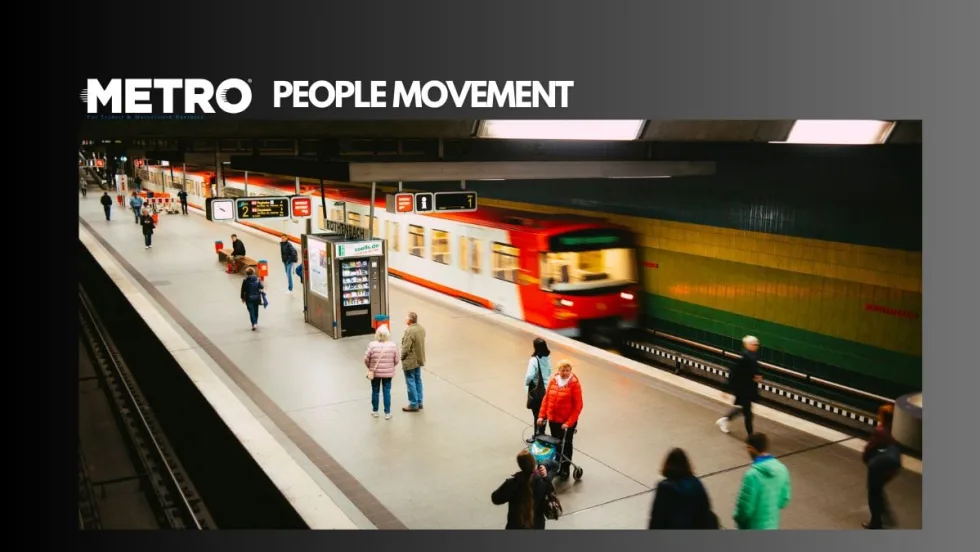
People Movement: Connectpoint Expands Leadership Team, Stadler Names New Group CEO, and More
In this edition, we also spotlight recent personnel moves at Burns, UZURV, and more, highlighting the people taking on new roles across the transportation industry.
Read More →
More Than a Summer Job: Building the Next Generation of Transit Talent
The Delaware River Port Authority and PATCO have transformed their internship program into a hands-on professional development experience that introduces students to the breadth of transportation careers — and creates a pipeline for future employees.
Read More →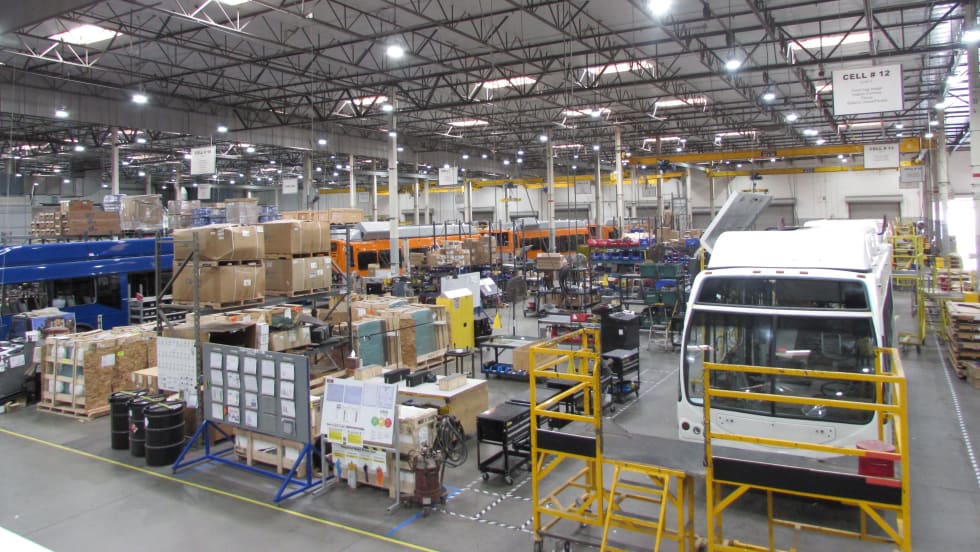
LA Metro Board Awards 220 Battery-Electric Bus Contract to ENC
The contract, which is the largest base award of battery-electric buses by a U.S. transit agency, will be built in Southern California, sustaining good jobs as LA prepares to welcome the world in 2028
Read More →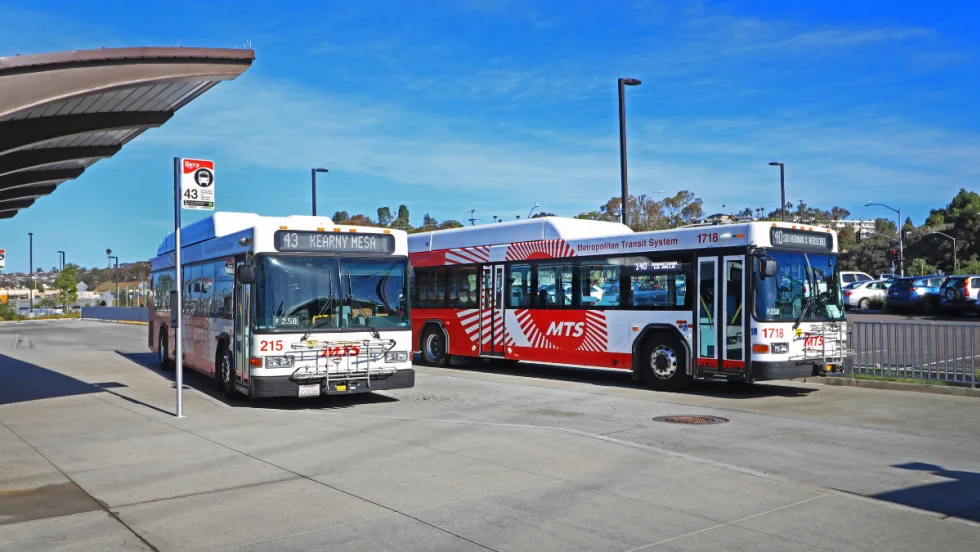
What’s Behind San Diego MTS’s Award-Winning Transit Strategy
Named one of APTA’s 2026 Outstanding Public Transportation Systems with 50 million or more annual passenger trips, California’s San Diego Metropolitan Transit System points to gains in ridership, safety, technology, and reliability as foundations of its success.
Read More →
Public Transit Conference Returning to GFX in 2027, Call for Papers Now Open
The Call for Papers is now open, allowing transit agency professionals and industry experts to help shape the PTC educational program by submitting session ideas for consideration.
Read More →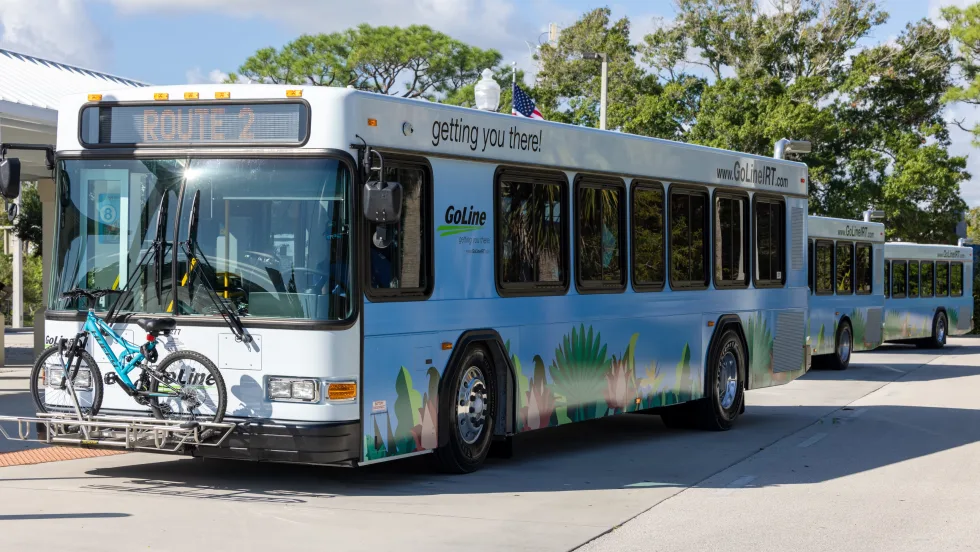
Indian River Transit’s Community-Focused Approach Earns National Recognition
Named APTA’s 2026 Outstanding Public Transportation System in its size category, Florida’s Indian River County transit system continues to grow ridership through fare-free service and a focus on evolving community needs.
Read More →
ENC Lands MATA Contract and More in Biz Briefs
In this edition of Biz Briefs, we spotlight the latest developments shaping the future of mobility.
Read More →
From Surviving to Thriving: Building Stronger Transportation Organizations
Bus Business Consultants founder Brian Dickson shares lessons on leadership, organizational health, and creating options for long-term success in a changing transportation industry.
Read More →
Everett Transit, Community Transit Outline Consolidation Agreement
The proposed agreement calls for a 50% increase in bus service in Everett, a new microtransit zone, continued paratransit service, and the transfer of Everett Transit operations to Community Transit.
Read More →
Strada360’s Steve Lassey on Turning Transit Data Into Better Decisions
From breaking down data silos to preparing for AI, Strada360 CEO Steve Lassey discusses how transit agencies can use technology to improve operations, customer information, and long-term decision-making.
Read More →