



New York's CDTA Approves 2027 Operating, Capital Plan
The $143 million spending plan represents a 2.4% reduction from last year’s budget. Increasing expenses, along with depleted federal COVID-19 funds, continue to impact the overall budget, CDTA officials said.

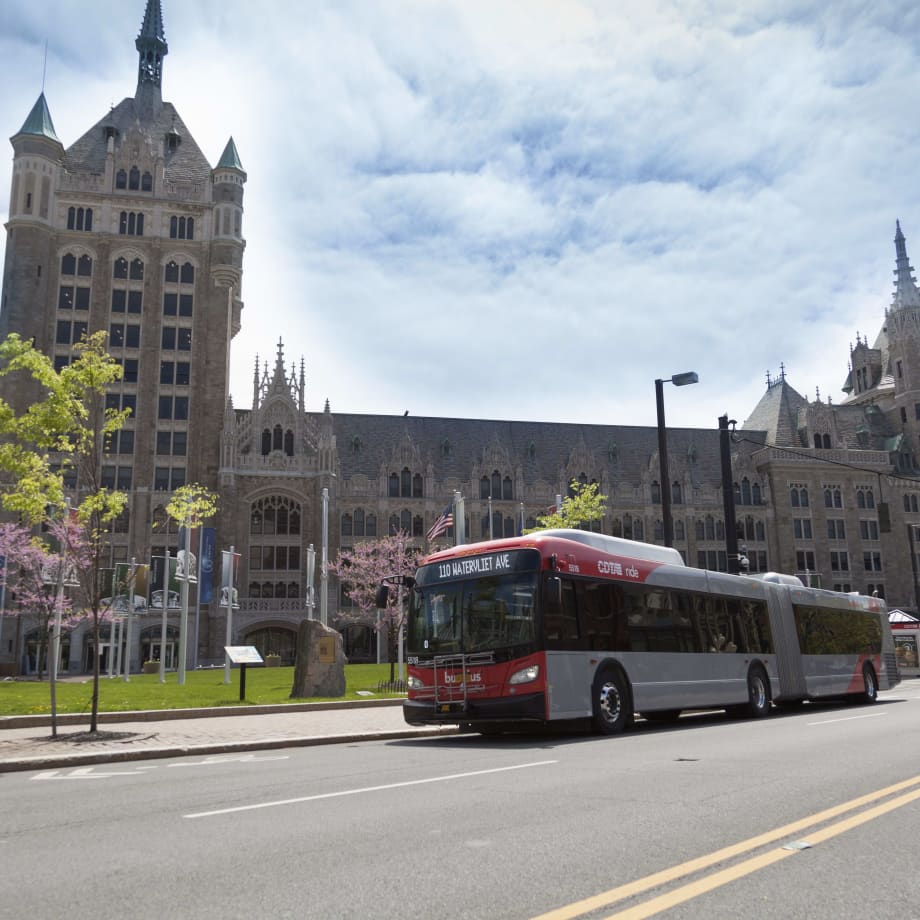
The CDTA's plan includes capital investments in Glens Falls and updates to shelters. It also includes continuing the authority’s annual fleet replacement plan to purchase 36 vehicles, including 10 hybrid buses and a hydrogen fuel cell bus pilot.
CDTA
- CDTA has approved a $143 million operating and capital plan for 2027, reflecting a 2.4% budget reduction from the previous year.
- The reduction is attributed to rising expenses and the depletion of federal COVID-19 funds, impacting the overall financial planning.
- CDTA officials highlight the challenge of balancing the budget amidst these fiscal constraints.
*Summarized by AI
Albany, New York’s Capital District Transportation Authority (CDTA) adopted a balanced operating budget and a corresponding Capital Plan for fiscal year 2027.
The $143 million spending plan represents a 2.4% reduction from last year’s budget. Increasing expenses, along with depleted federal COVID-19 funds, continue to impact the overall budget, CDTA officials said.
To address that, the agency is taking a proactive approach to financial management, identifying alternative funding sources, increasing operational efficiency, and closely monitoring expenditures to mitigate challenges and safeguard the authority’s financial health.
“This year’s budget demonstrates our commitment to responsible financial management, ensuring we make thoughtful decisions that benefit our employees, customers, and the broader community,” said CDTA CEO Frank Annicaro. “Although the overall budget is lower, we carefully evaluated every expense to protect essential services and investments, prioritize safety and reliability, and support the long-term strength of CDTA for everyone we serve.”
CDTA’s Plan
CDTA officials said employees remain at the heart of its operations, with wages and benefits accounting for more than 70% of its expense lines. The remaining 30% of the budget includes expenses, such as fuel, parts and tires, purchased transportation, maintenance, professional services, and insurance.
The first year of CDTA’s capital plan is funded at $60 million and supported by grants and federal assistance. It contains funding for a West Facility design & infrastructure and mid-sized infrastructure projects, such as an intersection improvement at Church Street in Amsterdam.
The plan includes capital investments in Glens Falls and updates to shelters. It also includes continuing the authority’s annual fleet replacement plan to purchase 36 vehicles, including 10 hybrid buses and a hydrogen fuel cell bus pilot.
“Passing a fiscally responsible, balanced budget reflects the Board’s commitment to strong stewardship of public resources while protecting the essential transit services our communities rely on,” said CDTA Board Chairman Jayme Lahut. “This plan closes our funding gap through disciplined spending, careful prioritization, and smart investments that keep CDTA safe, reliable, and sustainable for the year ahead.”
Quick Answers
The budget for CDTA's 2027 operating and capital plan is $143 million.
*Summarized by AI
More Management

ENC Lands MATA Contract and More in Biz Briefs
In this edition of Biz Briefs, we spotlight the latest developments shaping the future of mobility.
Read More →
From Surviving to Thriving: Building Stronger Transportation Organizations
Bus Business Consultants founder Brian Dickson shares lessons on leadership, organizational health, and creating options for long-term success in a changing transportation industry.
Read More →
Everett Transit, Community Transit Outline Consolidation Agreement
The proposed agreement calls for a 50% increase in bus service in Everett, a new microtransit zone, continued paratransit service, and the transfer of Everett Transit operations to Community Transit.
Read More →

Strada360’s Steve Lassey on Turning Transit Data Into Better Decisions
From breaking down data silos to preparing for AI, Strada360 CEO Steve Lassey discusses how transit agencies can use technology to improve operations, customer information, and long-term decision-making.
Read More →
People Movement: Phil Washington Joins HNTB, Denver RTD Launches CEO Search, and More
In this edition, we also spotlight recent personnel moves at STV, the Eno Center for Transportation, and more, highlighting the people taking on new roles across the transportation industry.
Read More →
SEPTA Details Accelerate Vision for Transit System
The plan outlines investments in trolley modernization, new Metro and Regional Rail vehicles, accessible stations, and more frequent bus and rail service.
Read More →
FTA Ends Direct Oversight of MBTA Safety Actions
The federal agency closed its remaining special directive to the Massachusetts Department of Public Utilities following a safety review that began in 2022.
Read More →
Report: Transit Bus Manufacturing Supports 34,100 Jobs, $5.1B in GDP
The “Buses Mean Business” report examines the transit bus manufacturing industry’s economic footprint, supply chain, and rising demand for vehicle replacements.
Read More →
LIT Marks 10-Year Milestone at Annual Summit
Hosted by the COTA from September 10 to 13, the Summit carried the theme “Celebrating 10 Years of Excellence, Leadership, and Impact,” with every part of the program honoring the people, agencies, and partners who built LIT over its first decade.
Read More →
People Movement: Dan Dipert Coaches Adds Third-Generation Leader, Keolis Names New Valley Metro VP/GM, and More
In this edition, we also cover recent appointments and announcements at the Wabtec, SilverRide, HNTB, and more, showcasing the individuals helping to shape the future of transportation.
Read More →