




Keep Reading: WMATA Expands U-Pass Program
WMATA Proposes Revised FY2027 Budget as System Marks 50 Years of Service
Updated financial plan reflects ridership growth and cost controls as the Washington region’s transit system celebrates five decades of operations.
March 27, 2026

Five commemorative Smart Trip card designs will honor the Washington Metropolitan Area Transit Authority's 50th anniversary.
Credit:
Washington Metropolitan Area Transit Authority
2 min to read
- WMATA has proposed a revised FY2027 budget that incorporates strategies for managing ridership growth and cost control.
- The financial adjustments come as the Washington region’s transit system observes its 50th anniversary.
- The updated plan aims to support sustainable operations for the transit system moving forward.
*Summarized by AI
Washington Metropolitan Area Transit Authority General Manager and Chief Executive Officer Randy Clarke has proposed revisions to the agency’s FY2027 budget, aligning updated mid-year financials with continued ridership growth and broader regional economic trends.
The revised proposal maintains jurisdictional subsidy growth at 1.8%, below both inflation and the region’s 3% target, while emphasizing cost management and operational efficiency. The agency continues to implement strategies to strengthen fare collection and the customer experience, including expanding its Tap. Ride. Go. program across rail, bus, and more than 40 parking facilities.
Safety and reliability remain central to ridership recovery efforts. The transit system’s police department has contributed to the lowest recorded crime rate in its history, while ongoing revenue collection initiatives and service improvements are helping drive continued gains in ridership.
Operational cost controls outlined in the proposal include eliminating non-operating positions to reduce overhead and leveraging regional partnerships for energy procurement and fuel hedging to mitigate market volatility.
The revised FY2027 plan also advances targeted service improvements. Previously proposed bus enhancements in Washington, D.C., and Virginia are expected to launch around July 1, 2026, with additional improvements to 13 routes in the district under consideration for December 2026. Planned service changes in Maryland have been deferred due to budget constraints.
Celebrating Five Decades of Service
The proposal comes as the agency marks a major milestone: 50 years of service to the region.
Service began March 27, 1976, with the opening of a 4.6-mile segment of the Red Line. Since then, the system has grown into a six-line, 130-mile network with 98 stations. Riders have taken more than seven billion rail trips and more than 15 billion total trips across rail, bus, and paratransit services.
In 2025 alone, rail service delivered 147 million trips, reinforcing the system’s role as a critical component of the region’s economy and daily life.
“Fifty years later, it remains essential to how people connect to jobs, school, and opportunity,” Clarke said. “Team Metro is committed to stewardship of this great system and continuing to provide safe, frequent, and reliable service for the next 50 years.”
WMATA Board Chair Valerie Santos emphasized the system’s broader impact over time, noting it has supported everything from major national events to everyday travel needs across the region.
To commemorate the anniversary, the agency will host a series of events and initiatives, including a customer appreciation celebration at Metro Center, special vehicle wraps, limited-edition merchandise, and commemorative SmarTrip cards representing each decade of service.
Additional programming includes a dedicated anniversary website, historical exhibits, and a forthcoming commemorative book highlighting the agency’s evolution.
Quick Answers
WMATA has proposed a revised budget for fiscal year 2027, which includes updates to accommodate ridership growth and implement cost control measures.
*Summarized by AI
More Management
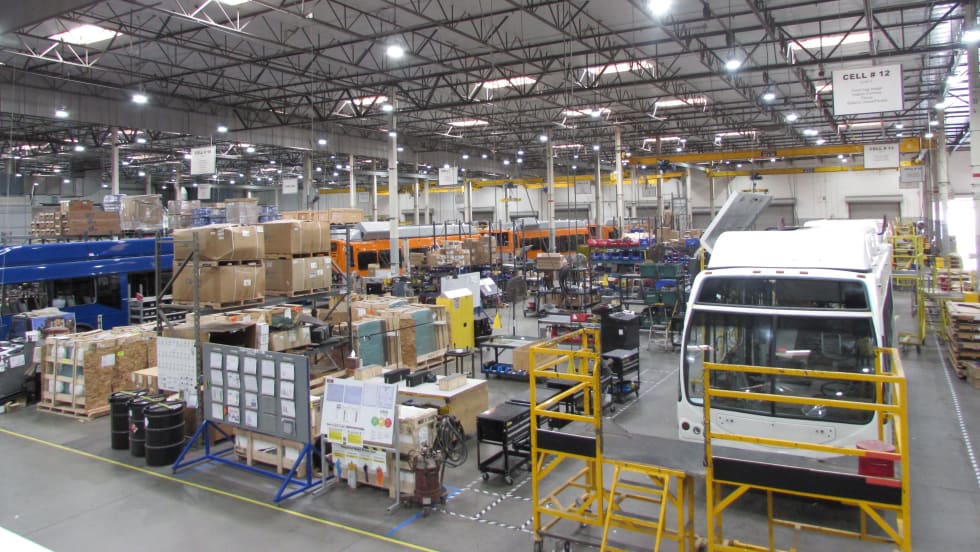
LA Metro Board Approves 220 Battery-Electric Bus Contract to ENC
The contract, which is the largest base award of battery-electric buses by a U.S. transit agency, will be built in Southern California, sustaining good jobs as LA prepares to welcome the world in 2028
Read More →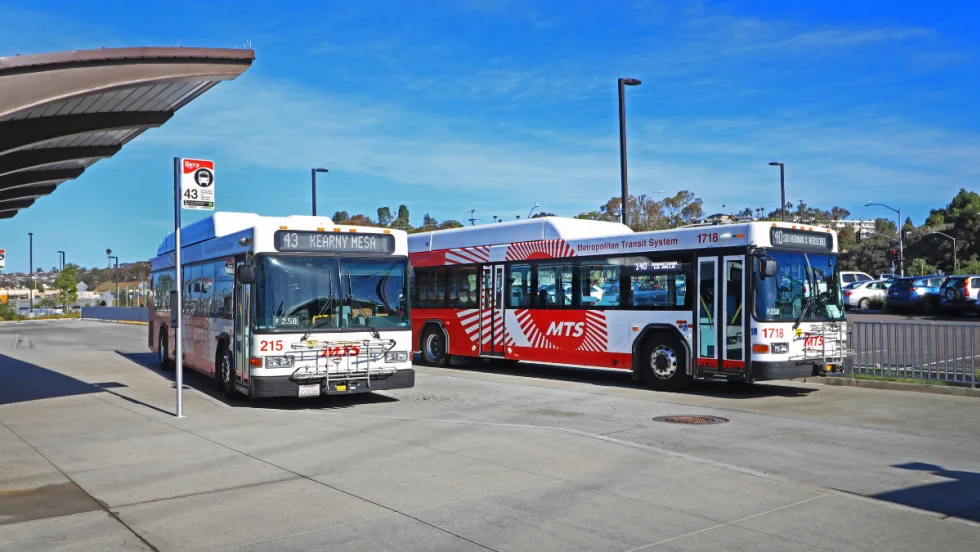
What’s Behind San Diego MTS’s Award-Winning Transit Strategy
Named one of APTA’s 2026 Outstanding Public Transportation Systems with 50 million or more annual passenger trips, California’s San Diego Metropolitan Transit System points to gains in ridership, safety, technology, and reliability as foundations of its success.
Read More →
Public Transit Conference Returning to GFX in 2027, Call for Papers Now Open
The Call for Papers is now open, allowing transit agency professionals and industry experts to help shape the PTC educational program by submitting session ideas for consideration.
Read More →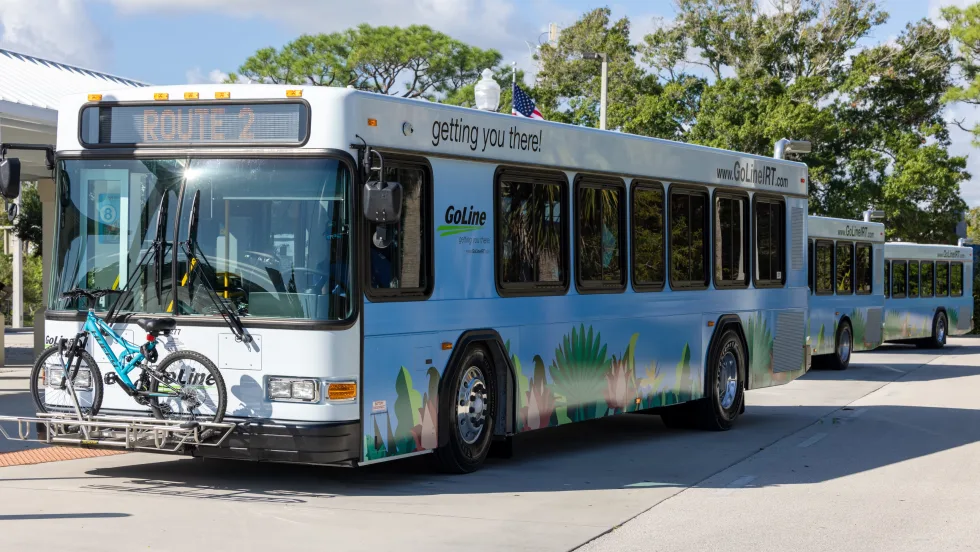
Indian River Transit’s Community-Focused Approach Earns National Recognition
Named APTA’s 2026 Outstanding Public Transportation System in its size category, Florida’s Indian River County transit system continues to grow ridership through fare-free service and a focus on evolving community needs.
Read More →
ENC Lands MATA Contract and More in Biz Briefs
In this edition of Biz Briefs, we spotlight the latest developments shaping the future of mobility.
Read More →
From Surviving to Thriving: Building Stronger Transportation Organizations
Bus Business Consultants founder Brian Dickson shares lessons on leadership, organizational health, and creating options for long-term success in a changing transportation industry.
Read More →
Everett Transit, Community Transit Outline Consolidation Agreement
The proposed agreement calls for a 50% increase in bus service in Everett, a new microtransit zone, continued paratransit service, and the transfer of Everett Transit operations to Community Transit.
Read More →
Strada360’s Steve Lassey on Turning Transit Data Into Better Decisions
From breaking down data silos to preparing for AI, Strada360 CEO Steve Lassey discusses how transit agencies can use technology to improve operations, customer information, and long-term decision-making.
Read More →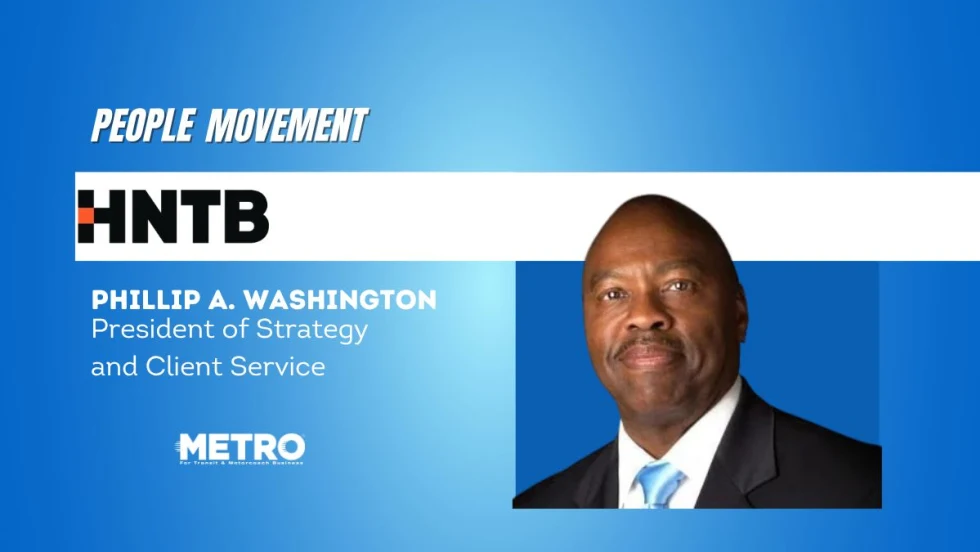
People Movement: Phil Washington Joins HNTB, Denver RTD Launches CEO Search, and More
In this edition, we also spotlight recent personnel moves at STV, the Eno Center for Transportation, and more, highlighting the people taking on new roles across the transportation industry.
Read More →
SEPTA Details Accelerate Vision for Transit System
The plan outlines investments in trolley modernization, new Metro and Regional Rail vehicles, accessible stations, and more frequent bus and rail service.
Read More →