



California's AC Transit Greenlights Development of Service Contingency Plan
In reaching its decision, the board considered the District’s mounting long-term structural deficits, with current projections forecasting annual operating deficits of about $50 million beginning in FY 2027-28 and continuing in the years ahead.

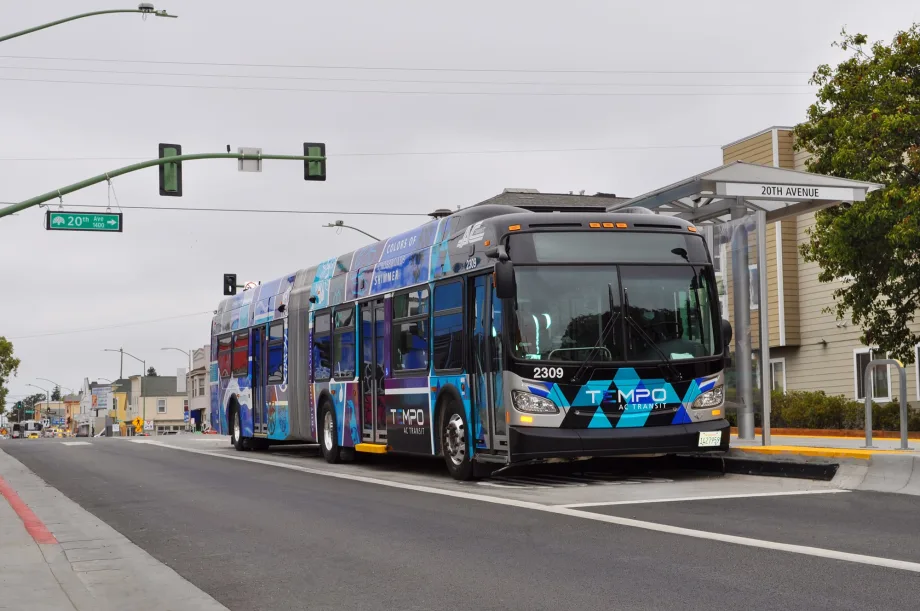
Today, AC Transit officials report an overall farebox recovery rate of about 8%. The final percentage could vary depending on the plan ultimately adopted by the board.
AC Transit
- The board of AC Transit has approved the development of a service contingency plan.
- Considerations for this decision include the district's increasing long-term structural deficits.
- Projected annual operating deficits are expected to reach about $50 million starting in FY 2027-28 and persist in subsequent years.
*Summarized by AI
The board at Oakland, California’s Alameda-Contra Costa Transit District (AC Transit) approved an Alternate Service Plan framework at its public meeting, outlining two potential budget scenarios, the more significant of which could reduce bus service by up to 16% and result in a workforce reduction of up to 300 employees.
In reaching its decision, the board considered the District’s mounting long-term structural deficits, with current projections forecasting annual operating deficits of about $50 million beginning in FY 2027-28 and continuing in the years ahead.
Shoring Up for the Future
To help stabilize service in the near-term, AC Transit will receive up to $55 million in a one-time operating loan from the State of California for FY 2026-27. Beyond that, maintaining current service will depend on securing a new, sustainable, long-term funding source, said agency officials.
The board was informed that if new funding does not materialize, the transit district has no choice but to reduce total expenses. To prepare for that possibility, AC Transit developed a framework for two Alternate Service Plans outlining potential service and staffing adjustments based on current service levels, which remain at 85% of pre-pandemic operations.
- Scenario One: This framework identifies a projected $36.76 million budget gap, driven by $35 million in needed expense reductions and $1.75 million in expected lost fare revenue. Closing this gap would require an estimated 11.4% reduction in service, potentially impacting up to 200 people through a reduction-in-force.
- Scenario Two: This framework outlines a $53 million budget gap, comprising $50 million in expense reductions and $3 million in lost fare revenue, requiring a 16.4% reduction in service. Given the depth of these reductions, the workforce impact would be equally significant, with up to 300 employees facing a reduction in force.
Both scenarios also assume a 5% to 6% decline in farebox revenue, reflecting potential ridership losses on lower-productivity routes.
Today, AC Transit officials report an overall farebox recovery rate of about 8%. The final percentage could vary depending on the plan ultimately adopted by the board.
Reasons for the Budget Issues?
AC Transit’s deepening budget shortfalls, combined with escalating operating costs, have accelerated development of the Alternate Service Plan framework. While no specific bus lines were identified for reduction, the financial outlook requires that all bus lines be reviewed for potential adjustment.
The two-scenario framework is designed to protect the current core bus network, known as Realign, and was launched in summer 2025, agency officials said. Realign is shaped by several years of input from riders, the community, and frontline employees. The goal is to preserve as much of the existing network as possible rather than redesign it.
Following board approval of the framework, staff will now develop two draft service plans detailing specific bus line adjustments for the board’s consideration and vote on June 10.
AC Transit is urging riders and East Bay communities to understand that the Alternate Service Plan framework is, at this point, only a contingency plan.
Agency officials said if new funding is secured to sustain current service levels, no reductions will be implemented. However, if not, the proposed changes could be considered as part of the June 2027 service change, following the required public hearing process.
Quick Answers
AC Transit developed a service contingency plan due to concerns over long-term structural deficits, with projections showing annual operating deficits of about $50 million starting in FY 2027-28.
*Summarized by AI
More Management
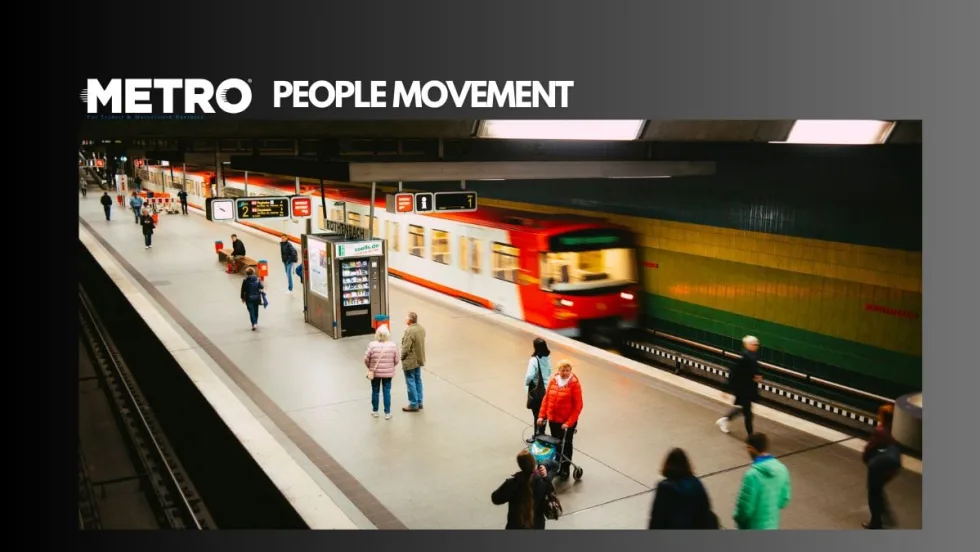
People Movement: Connectpoint Expands Leadership Team, Stadler Names New Group CEO, and More
In this edition, we also spotlight recent personnel moves at Burns, UZURV, and more, highlighting the people taking on new roles across the transportation industry.
Read More →
More Than a Summer Job: Building the Next Generation of Transit Talent
The Delaware River Port Authority and PATCO have transformed their internship program into a hands-on professional development experience that introduces students to the breadth of transportation careers — and creates a pipeline for future employees.
Read More →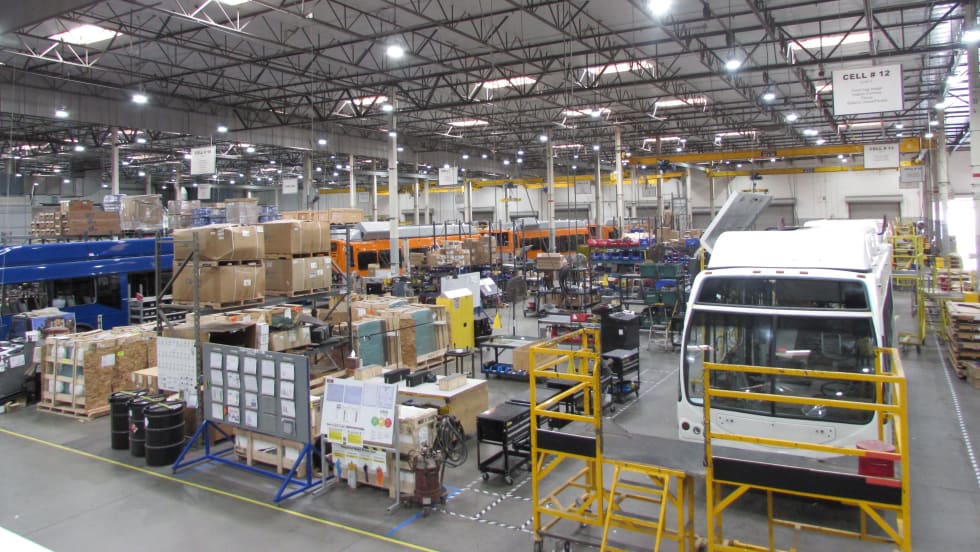
LA Metro Board Awards 220 Battery-Electric Bus Contract to ENC
The contract, which is the largest base award of battery-electric buses by a U.S. transit agency, will be built in Southern California, sustaining good jobs as LA prepares to welcome the world in 2028
Read More →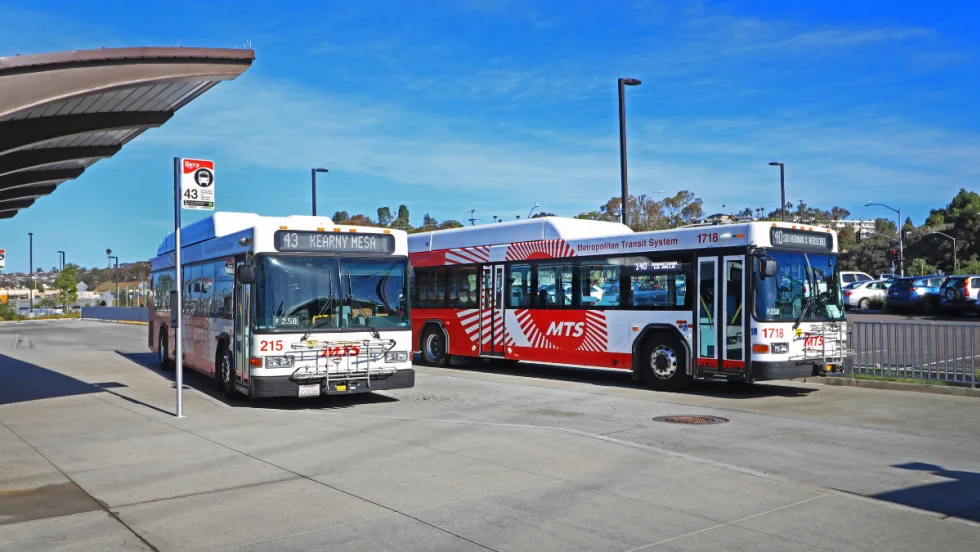
What’s Behind San Diego MTS’s Award-Winning Transit Strategy
Named one of APTA’s 2026 Outstanding Public Transportation Systems with 50 million or more annual passenger trips, California’s San Diego Metropolitan Transit System points to gains in ridership, safety, technology, and reliability as foundations of its success.
Read More →
Public Transit Conference Returning to GFX in 2027, Call for Papers Now Open
The Call for Papers is now open, allowing transit agency professionals and industry experts to help shape the PTC educational program by submitting session ideas for consideration.
Read More →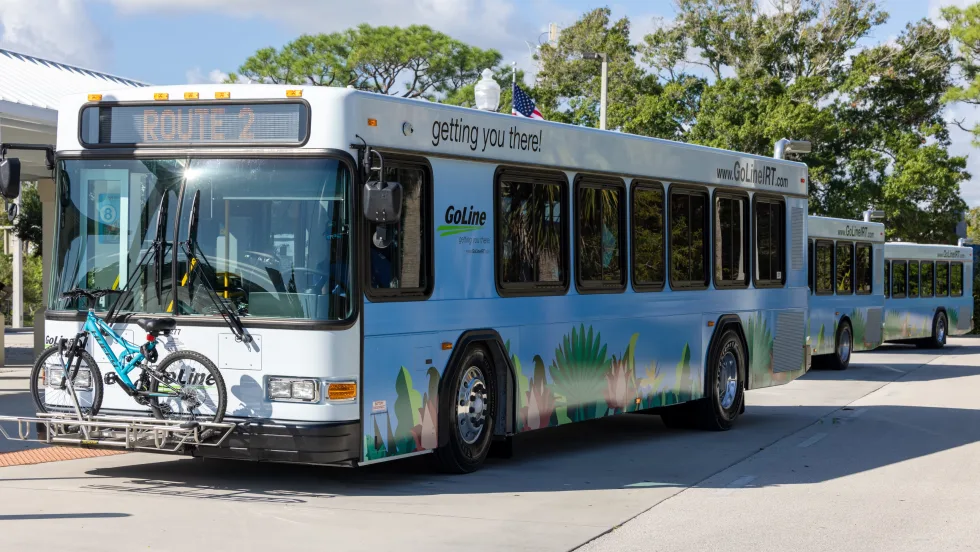
Indian River Transit’s Community-Focused Approach Earns National Recognition
Named APTA’s 2026 Outstanding Public Transportation System in its size category, Florida’s Indian River County transit system continues to grow ridership through fare-free service and a focus on evolving community needs.
Read More →
ENC Lands MATA Contract and More in Biz Briefs
In this edition of Biz Briefs, we spotlight the latest developments shaping the future of mobility.
Read More →
From Surviving to Thriving: Building Stronger Transportation Organizations
Bus Business Consultants founder Brian Dickson shares lessons on leadership, organizational health, and creating options for long-term success in a changing transportation industry.
Read More →
Everett Transit, Community Transit Outline Consolidation Agreement
The proposed agreement calls for a 50% increase in bus service in Everett, a new microtransit zone, continued paratransit service, and the transfer of Everett Transit operations to Community Transit.
Read More →
Strada360’s Steve Lassey on Turning Transit Data Into Better Decisions
From breaking down data silos to preparing for AI, Strada360 CEO Steve Lassey discusses how transit agencies can use technology to improve operations, customer information, and long-term decision-making.
Read More →