



Let's seize the moment
Political leaders need to continue urgency in demand for transit funding.
With the recent reauthorization of the federal surface transportation program, public transit agencies find themselves in the ironic position of facing unprecedented competition for funding, even while the new bill guarantees record federal investment through September 2009. This irony increases at the state and local levels, which have also approved record funding increases for public transportation.
In an environment where agencies feel pressured to get projects implemented as soon as possible, success favors cost-effective and quickly implemented vehicle technologies and project delivery techniques. Fortunately, as research has shown, well-proven solutions exist both here and abroad.
The re-creation of transit
Public transportation is in the midst of a comeback in the U.S. Although the above situation describes transit as a victim of its own political success, cities are increasingly offering commuters real alternatives to sitting in their cars hour upon hour in stifling traffic. Every year, new light rail, streetcar and commuter rail lines are making their debuts. Enhancing these new systems is bus rapid transit (BRT). Not only is BRT being deployed where rail is not possible, it is also being deployed to make rail networks more productive and cost-effective by linking them to areas where travelers need to go.
Public transportation investments are now documented successes in enticing people out of their cars and attracting smart growth investment. For example, Los Angeles’ Metro Rapid BRT network increased ridership on its corridors by as much as 42%, one-third of which came from former auto commuters, according to a BRT Ridership Analysis conducted by WestStart-CALSTART. Similar or even better shifts in market share are also being achieved by new rail starts.
With distinctive, aerodynamic, “rail-like” and modern designs and interiors, BRT vehicles are literally becoming crowd stoppers, similar to new railcar designs in Houston and elsewhere. In late 2001, the Greater Cleveland Regional Transit Authority (GCRTA) demonstrated the European-built and highly futuristic Civis bus, which is now in regular service in Las Vegas, to overwhelming public accolades. “People stopped in their tracks to check this vehicle out,” said Michael Schipper of the GCRTA. “The looks on the public’s faces were telling; they were in amazement and awe.”
The Los Angeles County Metropolitan Transportation Authority (MTA) receives the same reactions over new designs in its BRT network. According to Richard Hunt of the MTA, the agency is overwhelmed with positive feedback about its Orange Line BRT, which began operation last October. Combined with the exclusive busway and stations designed to light rail standards, this new line has already exceeded ridership projections, reaching levels predicted for 2020. Successes are equally numerous with new rail starts.
Implications down the line
Each new BRT and light rail line can displace up to a million gallons of gasoline consumed by commuters each year, helping to reduce the nation’s dependence on foreign oil. Attendant benefits in air quality, greenhouse gas reduction and economic growth are equally impressive. Moreover, BRT can help catalyze the development of cleaner propulsion for trucks and non-transit buses.
In short, transit has a broad variety of very cost-effective tools for attracting new market share. What’s more, BRT, streetcar and commuter rail options can be deployed quickly, an important quality in these “show me” political times. The key now is for political leaders to show the urgency required to come up with local match funding either through public sources locally or through showing flexibility in partnering with private capital and industry.
We must help them seize this moment. If we don’t, the opportunity could slip away into the background of competing national and local priorities.
Boesel is preesident and CEO of WestStart-CALSTART in Pasadena, Calif.
More Management

ENC Lands MATA Contract and More in Biz Briefs
In this edition of Biz Briefs, we spotlight the latest developments shaping the future of mobility.
Read More →
From Surviving to Thriving: Building Stronger Transportation Organizations
Bus Business Consultants founder Brian Dickson shares lessons on leadership, organizational health, and creating options for long-term success in a changing transportation industry.
Read More →
Everett Transit, Community Transit Outline Consolidation Agreement
The proposed agreement calls for a 50% increase in bus service in Everett, a new microtransit zone, continued paratransit service, and the transfer of Everett Transit operations to Community Transit.
Read More →

Strada360’s Steve Lassey on Turning Transit Data Into Better Decisions
From breaking down data silos to preparing for AI, Strada360 CEO Steve Lassey discusses how transit agencies can use technology to improve operations, customer information, and long-term decision-making.
Read More →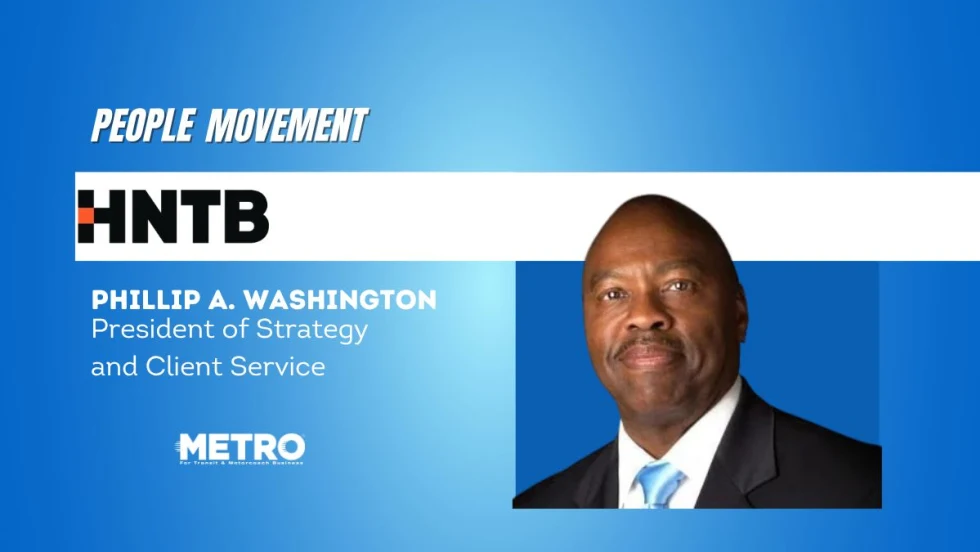
People Movement: Phil Washington Joins HNTB, Denver RTD Launches CEO Search, and More
In this edition, we also spotlight recent personnel moves at STV, the Eno Center for Transportation, and more, highlighting the people taking on new roles across the transportation industry.
Read More →
SEPTA Details Accelerate Vision for Transit System
The plan outlines investments in trolley modernization, new Metro and Regional Rail vehicles, accessible stations, and more frequent bus and rail service.
Read More →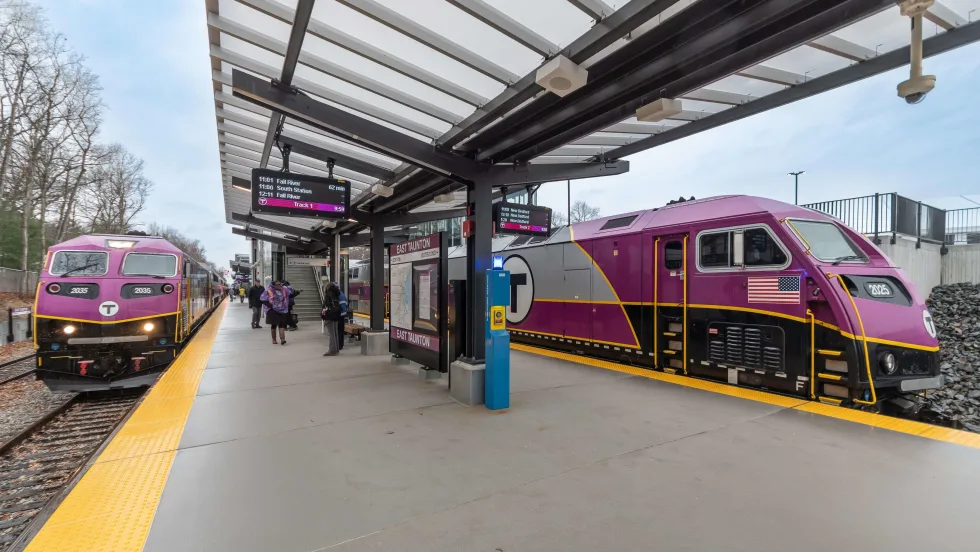
FTA Ends Direct Oversight of MBTA Safety Actions
The federal agency closed its remaining special directive to the Massachusetts Department of Public Utilities following a safety review that began in 2022.
Read More →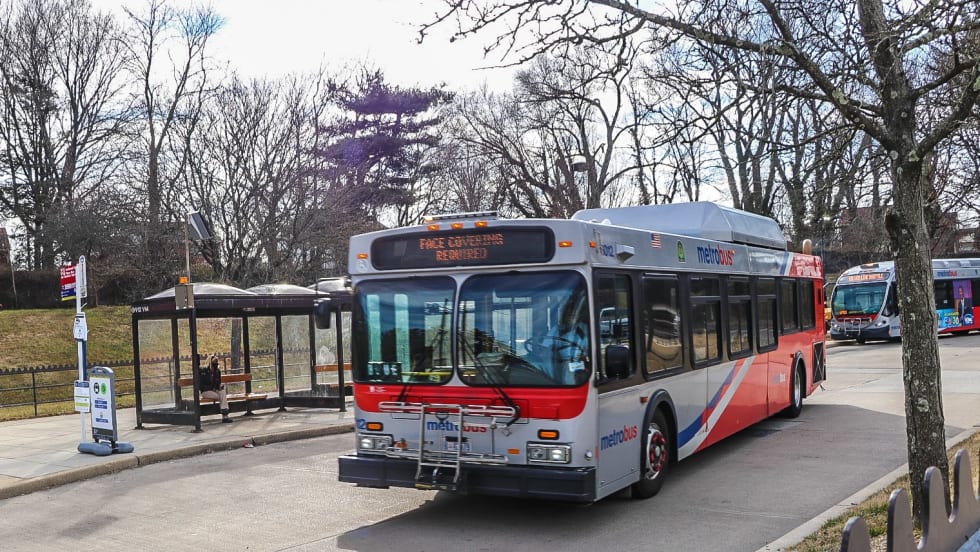
Report: Transit Bus Manufacturing Supports 34,100 Jobs, $5.1B in GDP
The “Buses Mean Business” report examines the transit bus manufacturing industry’s economic footprint, supply chain, and rising demand for vehicle replacements.
Read More →
LIT Marks 10-Year Milestone at Annual Summit
Hosted by the COTA from September 10 to 13, the Summit carried the theme “Celebrating 10 Years of Excellence, Leadership, and Impact,” with every part of the program honoring the people, agencies, and partners who built LIT over its first decade.
Read More →
People Movement: Dan Dipert Coaches Adds Third-Generation Leader, Keolis Names New Valley Metro VP/GM, and More
In this edition, we also cover recent appointments and announcements at the Wabtec, SilverRide, HNTB, and more, showcasing the individuals helping to shape the future of transportation.
Read More →