



Million-dollar hydrogen fuel cell bus begins service in Hawaii
The U.S. Air Force and a partnership of other agencies collaborate to design cutting-edge fuel cell bus.

The first hydrogen fuel cell bus for both the state of Hawaii and the U.S. Air Force began service Feb. 19 with a dedication ceremony held at Hickam Air Force Base. The vehicle’s new drive system and hydrogen fuel cell were built through a collaboration among four benefactors: the U.S. Air Force, a federally funded state agency called Hawaii Center for Advanced Transportation Technologies (HCATT), Enova Systems and Canadian-based Hydrogenics. “We’ve been talking about venturing into hydrogen powered fuel cells to support transportation,“ said Tom Quinn, HCATT director. “And we just had an agreement between our office and our Air Force funding office that we needed to accelerate the introduction of fuel cell vehicles so that we could start working on the requisite hydrogen infrastructure to support it. So it was kind of like a catalyst to push the technology forward.” Environmental requirements calling for lower emissions also played a role in pushing the hydrogen bus project further. Creating the bus was one way of improving the environment, since the bus produces zero emissions, Quinn said. Other buses in the Hickam Air Force Base fleet are diesel powered, setting apart the hydrogen fuel bus, which runs at a maximum speed of 45 mph on energy created through batteries and a hydrogen fuel cell. A combination of hydrogen and air from the atmosphere work together to generate electricity for the bus’ motor. “The bus with the fuel cell addition probably triples the range of [other] vehicles,” Quinn said. “It gives it greater flexibility and emission profile. [If] the Air Force wants to use it in terms of using it as a base shuttle, or using it from the base into the downtown area, or shuttling flight crews along the flight line, it would give them more of a variety of options, and this configuration will help do that because it’s a battery-fuel cell combination.” Torrance, Calif.-based Enova Systems, which had worked with HCATT before, was an important contributor to the project. “We were selected because of our relationship there to be the team leader on this project, and we teamed with Hydrogenics of Canada,” said Carl Perry, Enova’s president and CEO. “They provided the fuel cell and the fuel cell system; we provided all the power electronics that go into the total system and operate within the vehicle. We do not build vehicles. Think of us as Intel, like in a computer.” All together, the joint venture to make the hydrogen fuel cell bus cost approximately $1 million. “Fuel cells are still early in technology, and as in any new technology, costs are high,” Quinn said. “They’re still developing, and they’re still improving the performance and improving the life cycle. We want to extend the life cycle as long as we can.” “What we have put together is leading-edge technology, and we accomplished the entire integration of this process in 90 days,” Perry said. “That’s a great tribute to Enova and to Hydrogenics and to the entire project. The key is taking the fuel cell and the power management and marrying these systems — many of these problems would take a year of integration — but by our team of the state of Hawaii, the Air Force and Hydrogenics...it was an incredible team effort. Credit goes to all of these team players.” — Jaclyn Roco
More Management
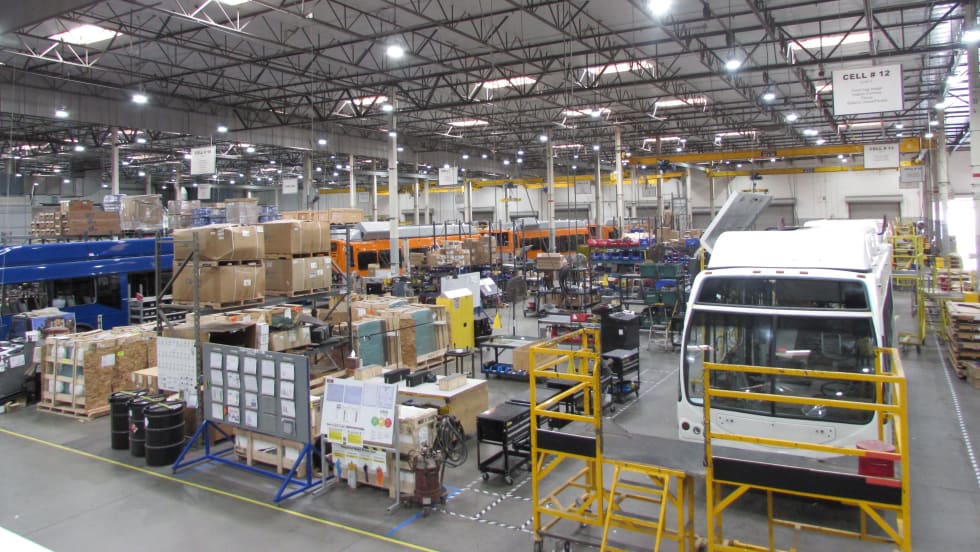
LA Metro Board Awards 220 Battery-Electric Bus Contract to ENC
The contract, which is the largest base award of battery-electric buses by a U.S. transit agency, will be built in Southern California, sustaining good jobs as LA prepares to welcome the world in 2028
Read More →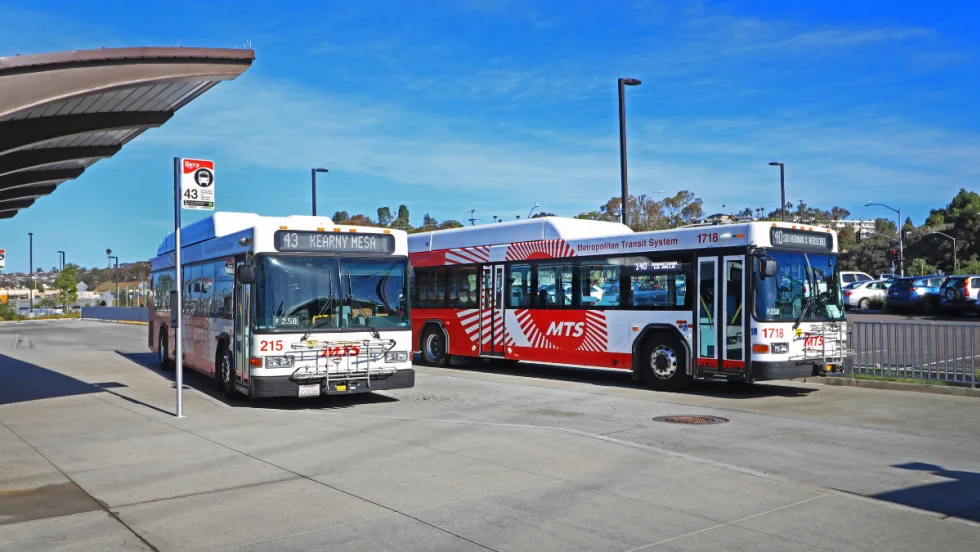
What’s Behind San Diego MTS’s Award-Winning Transit Strategy
Named one of APTA’s 2026 Outstanding Public Transportation Systems with 50 million or more annual passenger trips, California’s San Diego Metropolitan Transit System points to gains in ridership, safety, technology, and reliability as foundations of its success.
Read More →
Public Transit Conference Returning to GFX in 2027, Call for Papers Now Open
The Call for Papers is now open, allowing transit agency professionals and industry experts to help shape the PTC educational program by submitting session ideas for consideration.
Read More →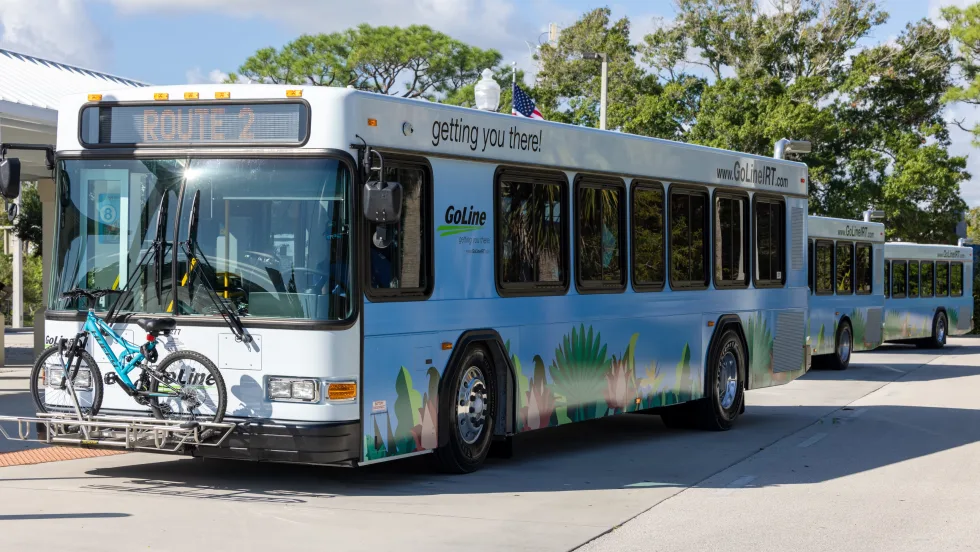
Indian River Transit’s Community-Focused Approach Earns National Recognition
Named APTA’s 2026 Outstanding Public Transportation System in its size category, Florida’s Indian River County transit system continues to grow ridership through fare-free service and a focus on evolving community needs.
Read More →
ENC Lands MATA Contract and More in Biz Briefs
In this edition of Biz Briefs, we spotlight the latest developments shaping the future of mobility.
Read More →
From Surviving to Thriving: Building Stronger Transportation Organizations
Bus Business Consultants founder Brian Dickson shares lessons on leadership, organizational health, and creating options for long-term success in a changing transportation industry.
Read More →
Everett Transit, Community Transit Outline Consolidation Agreement
The proposed agreement calls for a 50% increase in bus service in Everett, a new microtransit zone, continued paratransit service, and the transfer of Everett Transit operations to Community Transit.
Read More →
Strada360’s Steve Lassey on Turning Transit Data Into Better Decisions
From breaking down data silos to preparing for AI, Strada360 CEO Steve Lassey discusses how transit agencies can use technology to improve operations, customer information, and long-term decision-making.
Read More →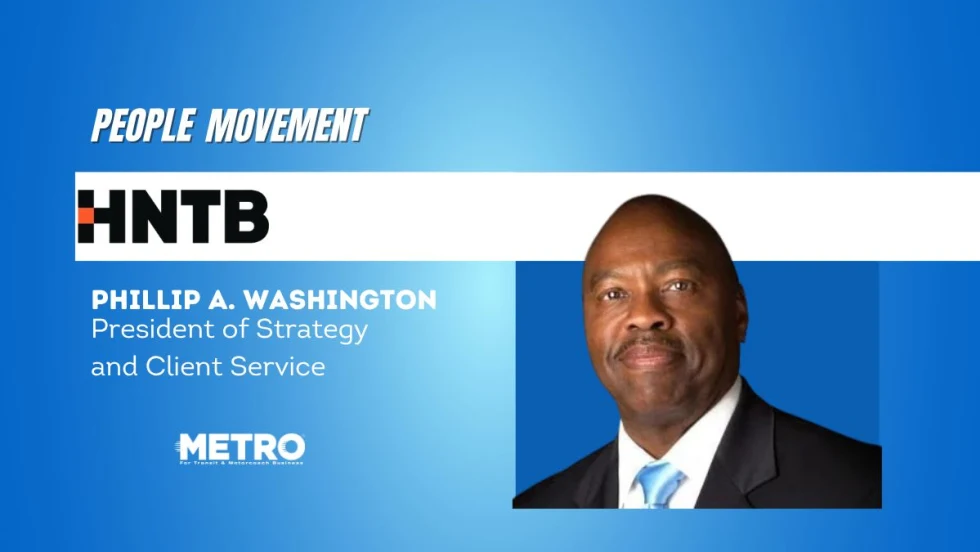
People Movement: Phil Washington Joins HNTB, Denver RTD Launches CEO Search, and More
In this edition, we also spotlight recent personnel moves at STV, the Eno Center for Transportation, and more, highlighting the people taking on new roles across the transportation industry.
Read More →
SEPTA Details Accelerate Vision for Transit System
The plan outlines investments in trolley modernization, new Metro and Regional Rail vehicles, accessible stations, and more frequent bus and rail service.
Read More →