



Motorcoach Top 50 Tough Out Economy
FirstGroup America tops the list in METRO’s annual motorcoach survey, with 8,326 vehicles. The recession had business down overall, but operators forged ahead with more contract work and acquired new technological tools.

While last year's survey reflected a slight jump in business, averaging at 10 percent for two-thirds of coach carriers surveyed, 2009 played out differently for our Top 50 operators. Two-thirds of respondents reported that business was down compared to 2008, no surprise in the current economy. The average dip was 15.5 percent. Nineteen percent of carriers surveyed responded that their business had stayed even with 2008, and only four coach operators responded that business had increased in 2009 compared to 2008, with an average of six percent.
Efforts to increase business, as with last year, mostly involved pursuing contract work, with school contracts edging out government contracts this year - 40 percent and 34 percent, respectively. Fourteen percent diversified into limousine or paratransit.
Actions taken to offset costs were mainly fuel surcharges, at 54 percent, and rate increases at 44 percent. Staff downsizing rolled in at a distant third, at 30 percent. However, this was a significant spike when compared to 2008's 12 percent, showing the recession's impact on the industry.
Onboard amenities, such as satellite TV and Wi-Fi, were the most popular innovation this year with 29 percent of carriers saying they added these entertainment options to their coaches. Seven percent of operators reported adding GPS to their fleet, upgrading their Websites and joining Facebook and Twitter.
Once again, word of mouth proved to be the best reported marketing method, coming in at a whopping 50 percent, and soundly beating the Internet, which came in second, at 22 percent. Radio, TV and print ads and the Yellow Pages, the other options presented, barely registered, with each coming in at or below four percent. Other effective marketing outlets shared by surveyed operators were travel agents, tradeshows and operators using their own coaches as "rolling billboards."
Nearly one-quarter of operators cited pricing as their biggest challenge. "Our industry needs to be in a position to pay wages to attract high caliber staff," says Callen Hotard, president, of New Orleans-based Calco Travel/Hotard Coaches. The recession was certainly a contributing factor to the pricing hurdle, with 13.5 percent of operators choosing that option. Recruitment/retention and customer service both weighed in at 16 percent.
Ranking breakdown
A total of 15,283 vehicles, not counting vans (1,465) comprised this year's list. Motorcoaches totaled 49 percent, or 7,462, and non-motorcoach buses made up 51 percent, with 7,821 vehicles. The average fleet size is 139 vehicles, not counting the fleet of Dallas-based FirstGroup America, parent company of Greyhound Lines Inc., which surpassed all others in size, with a total of 8,326 coaches and non-motorcoach vehicles combined. The median fleet size is 82.
Twenty-seven operators plan to buy new vehicles in 2010, and 26 of those said they are looking to purchase vehicles with seat belts. Twenty-eight percent of respondents said they plan to acquire used vehicles in 2010. In all, operators reported plans to buy 188 new vehicles and 54 used vehicles, down significantly from last year.
FirstGroup America weighed in at the top of coach operators surveyed, moving up two spots from last year. (At press time, Coach America, a heavy-hitter typically in the top spot on our list, did not provide updated data). Coach USA occupied the second spot once again, with a total of 1,175 vehicles, slightly less than last year's report of a fleet of 1,800.
The list also changed slightly from last year, with some new additions, including New Orleans-based Calco Travel/Hotard Coaches, and Croswell VIP Motorcoach Services, located in Williamsburg, Ohio.
To view Top 50 list, click here.
More Motorcoach

Report: Canadian Motorcoach Industry Generates $4.4B in Economic Impact
The 2025 Motorcoach Economic Impact Report finds motorcoach travel supported nearly 25,000 jobs and generated $980 million in federal, provincial, and local taxes.
Read More →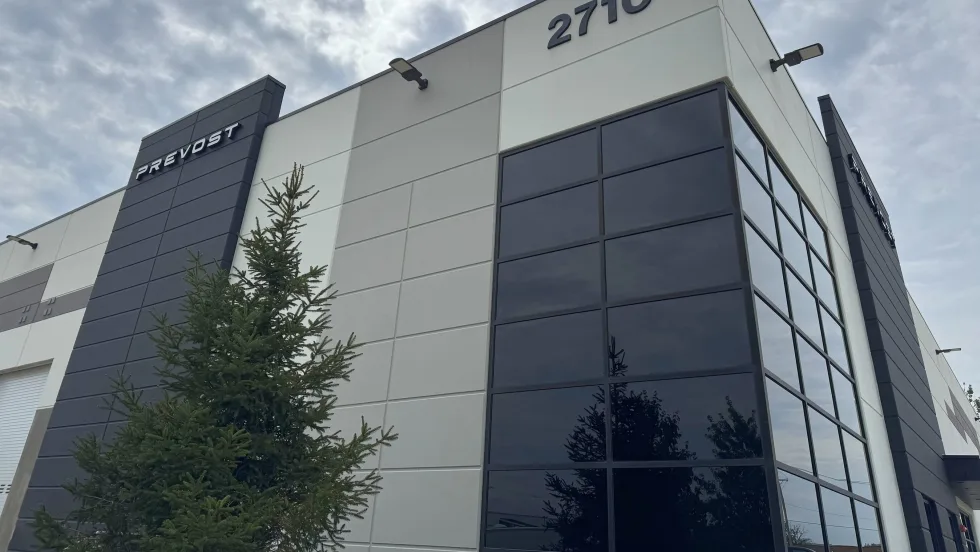
Prevost Opens Expanded Chicago-Area Service Center
The $8.1 million Elk Grove Village investment nearly triples facility space while adding service capacity, parts storage, and customer amenities.
Read More →
People Movement: Dan Dipert Coaches Adds Third-Generation Leader, Keolis Names New Valley Metro VP/GM, and More
In this edition, we also cover recent appointments and announcements at the Wabtec, SilverRide, HNTB, and more, showcasing the individuals helping to shape the future of transportation.
Read More →
METRO Opens Submissions for 2026 Motorcoach Awards
Nominations are now being accepted for METRO Magazine’s Operator of the Year and Innovative Operator of the Year awards.
Read More →
Biz Briefs: Alstom Lands Canadian Contract, LYT to Supply California TSP, and More
In METRO's latest installment, we take a look at recent news from Complete Coach Works, Beep, FlixBus, and more partnerships making headlines across the transportation sector.
Read More →
Biz Briefs: RIPTA Unveils New Frontrunners, Clevland RTA Adds New Siemens, and More
In METRO's latest installment, we take a look at recent news from Siemens, Prevost, Dodge, and more partnerships making headlines across the transportation sector.
Read More →
People Movement: Holly Arnold Joins Transdev and More
In this edition, we also cover recent appointments and announcements at Pace, CamTran, MCI, and more, showcasing the individuals helping to shape the future of transportation.
Read More →
ABA Report: Motorcoach Travel Generates $161.6B Economic Impact
The 2025 analysis finds motorcoach travel supported nearly 900,000 jobs and generated $28 billion in federal, state, and local taxes.
Read More →
CharterUP’s Armir Harris on Technology, AI, and the Future of Group Mobility
In a recent episode of METROspectives, CharterUP Founder/CEO Armir Harris discussed the company’s evolution from an online charter bus marketplace into a technology platform supporting public- and private-sector mobility and much more.
Read More →
People Movement: ABC Names John Walsh as Chief Commercial Officer
In this edition, METRO also covers recent appointments and announcements at the DART, STV, and more, showcasing the individuals helping to shape the future of transportation.
Read More →