



Motorcoach Market Remains Flat Amid Shift in Buying Patterns
Q2 sales totaled 514 units, up slightly from 2025, as operators favored pre-owned equipment and public-sector purchases increased.

The ABA cited tariffs, higher insurance premiums, new model-year engine requirements, and rising financing and operating expenses as particular challenges for private operators.
ABC Companies
- In Q2 2026, motorcoach sales totaled 514 units, showing a slight increase of 0.8% from the same period in 2025.
- New motorcoach sales were down by 8.4%, whereas pre-owned sales surged by 73.7%, balancing the overall sales figures.
- There was a noticeable shift in buyer demographics, with sales to public entities soaring by 260% while sales to private buyers dropped by 27.1%.
*Summarized by AI
In the second quarter of 2026, participating manufacturers sold 415 new and 99 pre-owned motorcoaches, for a total of 514 units, according to American Bus Association Foundation’s 2026 Motorcoach Builders Survey. The survey, produced by the American Bus Association’s (ABA) research arm, is published each quarter with data collected from surveys of the major motorcoach manufacturers that sell vehicles in the US and Canada.
The 514 units in Q2 compare with 510 units in the second quarter of 2025 (Figure 1), representing a 0.8% year-over-year increase.
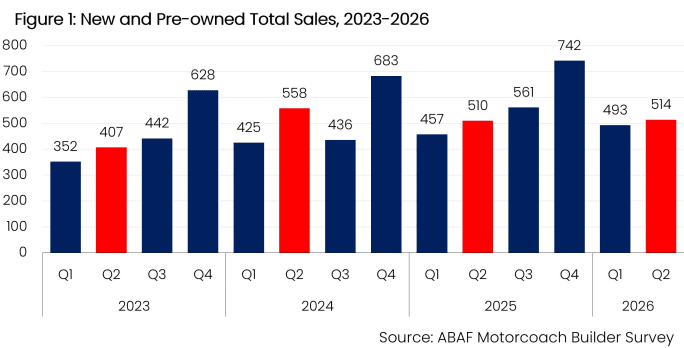
Figure 1: New and Pre-owned Total Sales, 2023-2026
ABAF
Q2 Motorcoach Sales At A Glance
Sales of new motorcoaches decreased by 8.4% compared to the same quarter in 2025, while pre-owned motorcoach sales rose by 73.7% (Figures 2 and 3). The sharp rise in pre-owned volumes offset softer new-vehicle demand, leaving total sales essentially flat year-over-year.
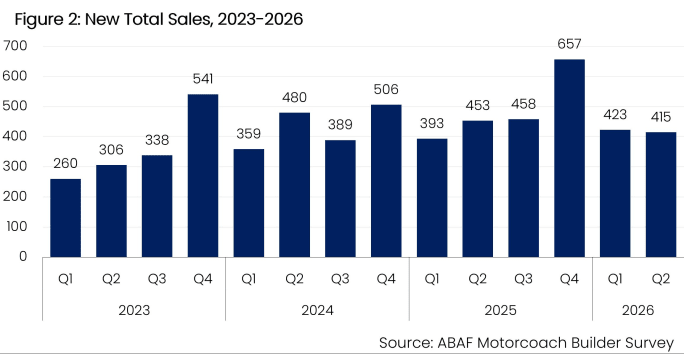
Figure 2: New Total Sales, 2023-2026
ABAF
Sales to private entities decreased by 27.1% while sales to public entities increased by 260% compared to the second quarter of 2025 (Figure 4).
Taken together, first- and second-quarter data point to an uneven industry recovery in 2026. New-vehicle sales fell below 2025 levels after posting growth in the first quarter, while purchases by private operators — the primary market for new coaches — declined for a second consecutive quarter.
Meanwhile, public-sector purchases and demand for pre-owned coaches accounted for a larger share of sales. Overall sales remained 32.9% below 2019 levels (Figure 5), with the wider first-to-second-quarter gap partly reflecting the historically strong pre-pandemic spring selling season.
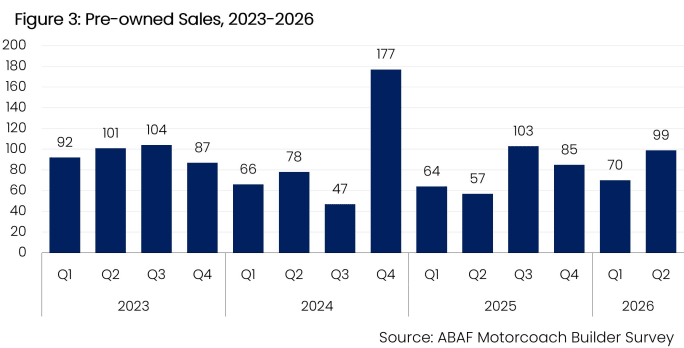
Figure 3: Pre-owned Sales, 2023-2026
ABAF
“The headline number shows a motorcoach market holding steady, but underneath it we are seeing a clear shift in purchasing behavior,” said Fred Ferguson, president and CEO of the ABA. “Private operators bought 27 percent fewer new coaches this quarter, while pre-owned sales increased nearly 74 percent. That tells us operators still need equipment, but they are becoming more cautious about committing capital to new coaches.”
Factors Impacting Sales
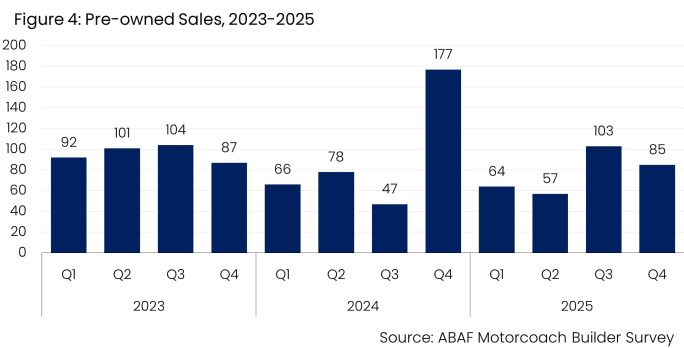
Figure 4: New Total Sales by Buying Entity, 2023-2026
ABAF
The ABA cited tariffs, higher insurance premiums, new model-year engine requirements, and rising financing and operating expenses as particular challenges for private operators. The increased demand for used equipment may indicate that buyers are deferring new-vehicle purchases to manage those costs.
It remains unclear whether the trend represents a long-term change in private-sector purchasing or a temporary response to current cost pressures.
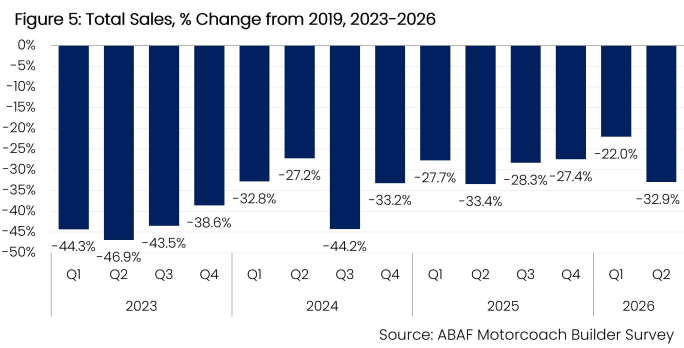
Figure 5: Total Sales, % Change from 2019, 2023-2026
ABAF
“There are several factors likely contributing to that caution. Tariff costs are now more fully reflected in the market, insurance costs continue to consume cash flow that could otherwise support equipment investment, and operators are approaching the 2027 model year knowing that new EPA engine standards are coming. Some buyers may simply be waiting to understand the cost, performance, and reliability of the next generation of engines before making a major capital investment,” said Ferguson. “One quarter doesn’t establish causation, but this is now the second consecutive quarter in which private-sector new-coach purchases have declined. That is a trend we are watching closely, and it reinforces why affordability has become such an important part of ABA’s advocacy agenda.”
Quick Answers
In Q2 of 2026, a total of 514 motorcoaches were sold.
*Summarized by AI
More Motorcoach
Prevost Opens Expanded Chicago-Area Service Center
The $8.1 million Elk Grove Village investment nearly triples facility space while adding service capacity, parts storage, and customer amenities.
Read More →
People Movement: Dan Dipert Coaches Adds Third-Generation Leader, Keolis Names New Valley Metro VP/GM, and More
In this edition, we also cover recent appointments and announcements at the Wabtec, SilverRide, HNTB, and more, showcasing the individuals helping to shape the future of transportation.
Read More →
METRO Opens Submissions for 2026 Motorcoach Awards
Nominations are now being accepted for METRO Magazine’s Operator of the Year and Innovative Operator of the Year awards.
Read More →
Biz Briefs: Alstom Lands Canadian Contract, LYT to Supply California TSP, and More
In METRO's latest installment, we take a look at recent news from Complete Coach Works, Beep, FlixBus, and more partnerships making headlines across the transportation sector.
Read More →
Biz Briefs: RIPTA Unveils New Frontrunners, Clevland RTA Adds New Siemens, and More
In METRO's latest installment, we take a look at recent news from Siemens, Prevost, Dodge, and more partnerships making headlines across the transportation sector.
Read More →
People Movement: Holly Arnold Joins Transdev and More
In this edition, we also cover recent appointments and announcements at Pace, CamTran, MCI, and more, showcasing the individuals helping to shape the future of transportation.
Read More →
ABA Report: Motorcoach Travel Generates $161.6B Economic Impact
The 2025 analysis finds motorcoach travel supported nearly 900,000 jobs and generated $28 billion in federal, state, and local taxes.
Read More →
CharterUP’s Armir Harris on Technology, AI, and the Future of Group Mobility
In a recent episode of METROspectives, CharterUP Founder/CEO Armir Harris discussed the company’s evolution from an online charter bus marketplace into a technology platform supporting public- and private-sector mobility and much more.
Read More →
People Movement: ABC Names John Walsh as Chief Commercial Officer
In this edition, METRO also covers recent appointments and announcements at the DART, STV, and more, showcasing the individuals helping to shape the future of transportation.
Read More →
From Surviving to Thriving: Building Stronger Transportation Organizations
Bus Business Consultants founder Brian Dickson shares lessons on leadership, organizational health, and creating options for long-term success in a changing transportation industry.
Read More →