



New Flyer delivers first Invero bus to the U.S. transit market
Exclusive interview with company's president and CEO John Marinucci.

After more than four years of sales to Canadian transit agencies, New Flyer made its first U.S. delivery of an Invero transit bus to Snohomish County Community Transit in Everett, Wash.
Officials from New Flyer and Community Transit gathered Jan. 11 at the bus manufacturer’s St. Cloud, Minn., facility to celebrate the unveiling of the 40-foot Invero, which represents the first in a delivery of 21 buses.
Several local and state community leaders also attended the event, which included a ride on the Invero around St. Cloud and a tour of New Flyer’s 338,000-square-foot manufacturing plant, where the vehicle was constructed.
The Invero is a low-floor bus designed with added passenger amenities such as glare-free reading lights, reclining seats, luggage racks and a climate control system. The bus holds up to 44 passengers and exceeds ADA requirements with a two-stage wheelchair ramp.
METRO Managing Editor Joey Campbell spoke with New Flyer CEO and President John Marinucci about the Invero and other key issues.
What does the first U.S. delivery of an Invero bus mean to New Flyer?
We are pleased to be able to build Community Transit’s newest buses and believe the Invero will be the perfect complement to the agency’s existing fleet. Providing a broad range of products, from the Invero to our standard low-floor buses, is critical to us, and we believe Community Transit is setting a new standard by incorporating this bus into service. We have built a business by understanding and exceeding our customers’ expectations regarding product development and cradle-to-grave service. The Invero is evidence of that commitment to our customers.
Is providing alternative-fueled and hybrid buses a main focus for New Flyer?
We believe in the betterment of the environment and improving fuel efficiency for the industry, and we are currently an industry leader in diesel and hybrid-gasoline vehicles, with more vehicles on the road and more revenue service miles than any other manufacturer. We are currently working on a new hybrid-hydrogen project with ISE Corp., and we have an extensive line of CNG and LNG vehicles. However, alternative propulsion itself is not our main focus. Our main focus regarding propulsion is to continually tailor our expansive product line to deliver the vehicle the customer wants.
Do you expect a surge of bus buying in advance of the new emissions standards that the EPA puts into effect in 2007?
Overall, the North American bus market has been down for several years now, and we do not have market data to suggest that the new standards will single-handedly reverse this trend. The industry as a whole is very sensitive to the environment and to fuel efficiency, and we know the engine manufacturers are working hard to develop compliant components. New Flyer is taking measures to ensure that we are well positioned to integrate these new technologies when the new regulations take effect.
How is the company positioning itself for the future of the transit bus market?
This year we are celebrating 75 years of manufacturing buses, and over the years, we have built a powerful legacy based on our innovative and reliable product line, our commitment to operational excellence and the customer support we provide. We believe that a continued focus on these key strengths will position us for ongoing industry leadership for the next 75 years.
What are New Flyer’s primary goals for 2005?
As a vehicle supplier to 19 of the top 25 transit authorities in the U.S., we have a broad and diverse North American customer base. Many of those agencies demand the most advanced equipment and technology available in our industry, and because we are customer-driven, we are focused on meeting their needs. This year we will launch six new products — three alternative-fueled buses, a vehicle with a stainless steel structure, an electric trolley bus and a new BRT product.
Despite the recent market decline, we have successfully doubled our business since 2002, and we accomplished this through a tremendous amount of investment in and dedication to what matters most — exceeding customer expectations. We are confident that this approach and mindset will serve us well in 2005 and beyond.
More Management
CATS Launches West Charlotte Microtransit Zone, Expands Transit Services
The new microtransit zone connects residents to key destinations as Charlotte Area Transit System rolls out the first phase of its 2055 Transit System Plan.
Read More →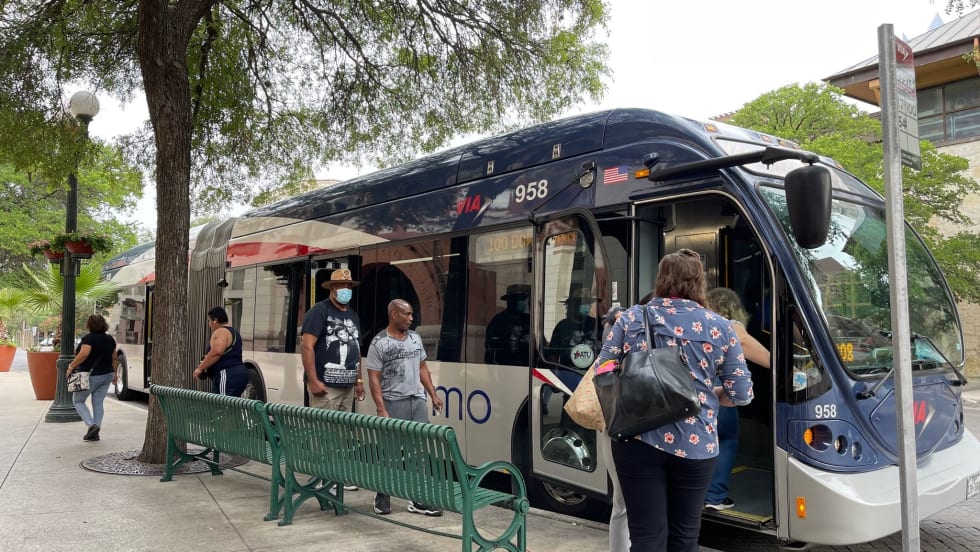
VIA Bus Ridership Grows 10.1% Through August 2026
San Antonio's VIA Metropolitan Transit reported the highest bus ridership growth among major Texas transit systems. Federal Transit Administration data ranked it second among the nation's 50 largest transit systems.
Read More →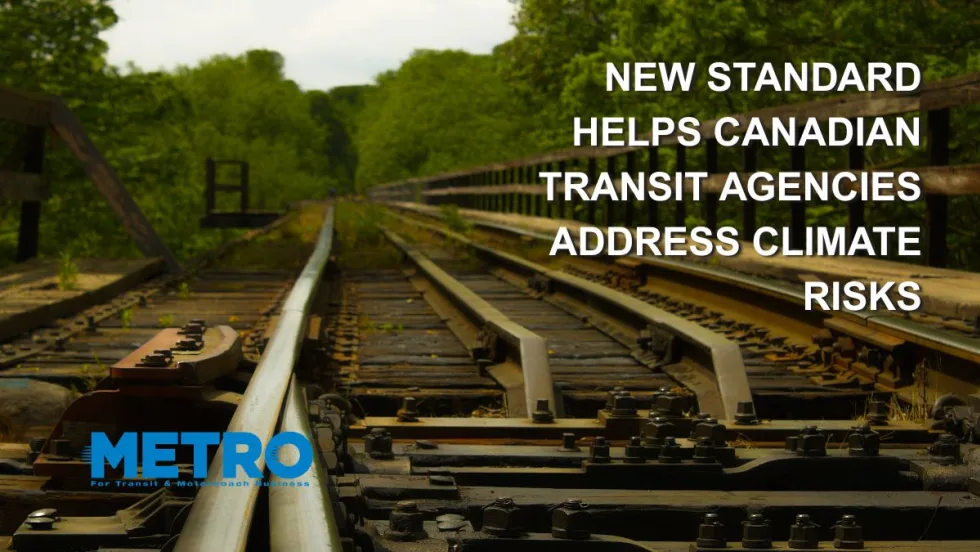
CSA Group Releases Climate Resilience Standard for Transit, Passenger Rail
Developed with support from the Standards Council of Canada, CSA D700 guides assessing climate-related risks and planning adaptation measures for transit and passenger rail systems.
Read More →
ETA CEO John Maglio on Transit Technology, Innovation, and Building Agency Trust
ETA founder and CEO John Maglio explores the evolution of transit technology, the importance of reliable systems, and how stronger partnerships can help agencies improve operations and the passenger experience.
Read More →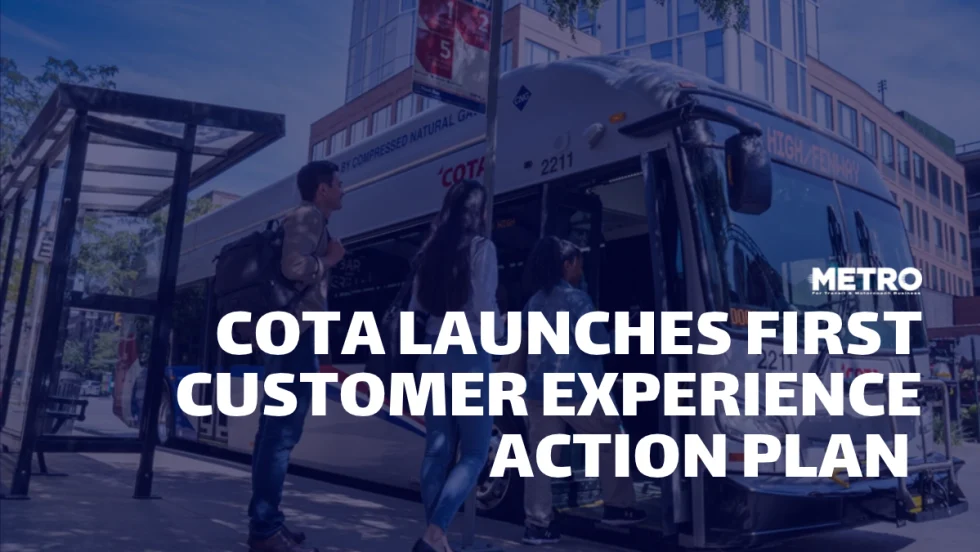
COTA Launches First Customer Experience Action Plan to Improve Transit Service
The new plan outlines improvements to service reliability, accessibility, communication, and the overall rider experience across Central Ohio's transit system.
Read More →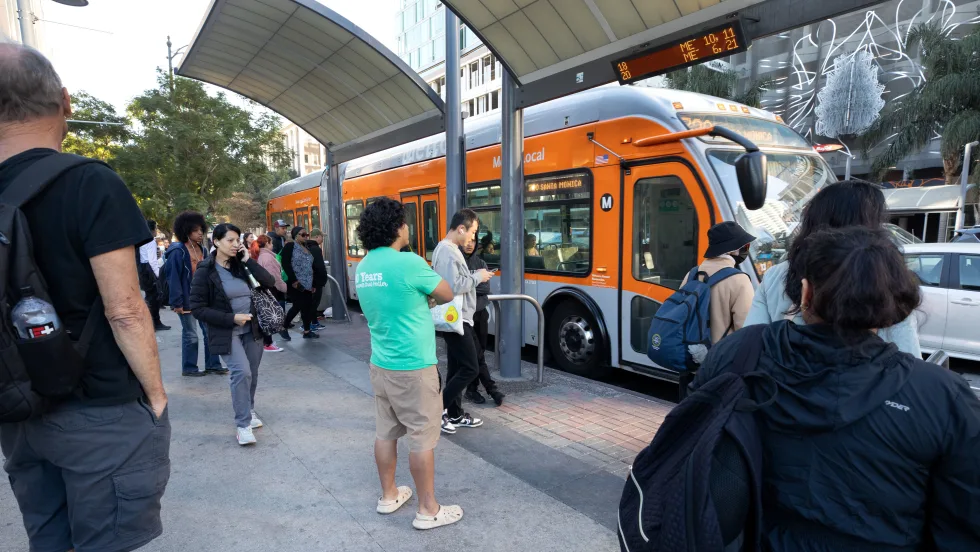
LA Metro September Ridership Climbs 3.9%, Led by Rail Growth
The agency recorded more than 27.2 million boardings, with rail ridership increasing 12.4% year over year and the D Line posting the largest gains.
Read More →
Utilimarc Launches SmartReplace to Optimize Fleet Replacement Decisions
AI-powered SmartReplace helps fleets prioritize vehicle replacements, model budget scenarios, and build more defensible long-term strategies.
Read More →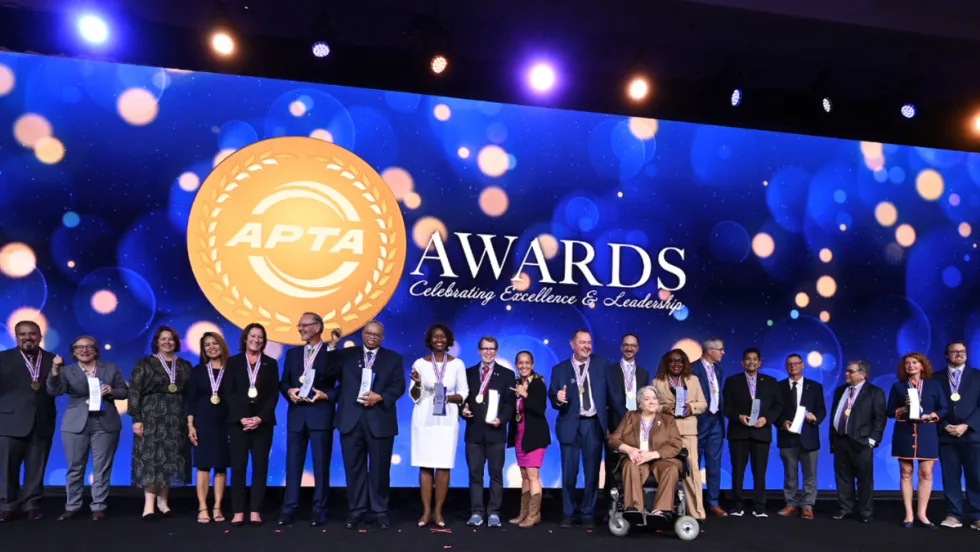
APTA Honors 2026 Award Winners, Hall of Fame Inductees at TRANSform & EXPO
Innovations in autonomous and zero-emission transportation, standout transit systems, and industry leadership took center stage among this year's honorees.
Read More →
7 Ways to Build a Better Transit Internship Program
Lessons from DRPA/PATCO’s approach to creating a meaningful internship experience—and developing the next generation of transportation professionals.
Read More →
Scenes from APTA TRANSform & EXPO 2026
Transit leaders, manufacturers, and industry professionals gathered in Chicago to explore new technologies, share ideas, and discuss the future of public transportation.
Read More →