



Partnership donates buses for tsunami relief
A British bus industry-led project will provide more than 100 vehicles to communities affected by the December tsunami.

A British bus industry-led project to support reconstruction in the regions most severely affected by the Indian Ocean tsunami on Dec. 26, 2004, will provide more than 100 vehicles to affected communities.
Executives associated with the annual Bus Industry Awards in the U.K. took the initiative in the days following the disaster and launched the Asia Bus Response appeal ( www.asiabusresponse.co.uk ) in an attempt to do something practical to help.
The project is partnering with international relief and development charity Islamic Relief, which is taking responsibility for shipping buses to Indonesia and Sri Lanka and arranging the necessary tax, registration and licensing for effective distribution and utilization.
Buses have been donated by large companies and small operators. National Express Group has internationalized the project by pledging 10 buses from its North American companies as well as six double-deck metro buses from its Travel West Midlands operator in England.
Small operators from both the private and municipal sectors have offered small and mid-sized buses, as well as double-decker vehicles. Oxfordshire County Council, for instance, is contributing two Volkswagen Transporter minibuses. Some large groups are also donating money for high-floor, low-tech buses that can be operated effectively in tropical conditions.
“A lot of U.K. companies are upgrading to low-floor vehicles,” said Andrew Varley of Lancashire County Council, (LCC). “We are planning to ship out vehicles with several years’ life span.” The first consignment should arrive in the Indian Ocean area in April or May, and some of the larger bus groups may have additional vehicles available later in the year.
“We did not expect to get over 100 buses,” Varley said. “We have obtained supplies of spare parts for many of them, and these will be shipped on the vehicles along with other supplies, including medical and clothing donations. We are liaising with the [International Aid Trust] over that.”
Varley, who heads a group at LCC responsible for transport policy marketing and promotion of public transport, said most vehicles have come from the private sector partly because most vehicles operated by local authorities are leased.
More Management

ENC Lands MATA Contract and More in Biz Briefs
In this edition of Biz Briefs, we spotlight the latest developments shaping the future of mobility.
Read More →
From Surviving to Thriving: Building Stronger Transportation Organizations
Bus Business Consultants founder Brian Dickson shares lessons on leadership, organizational health, and creating options for long-term success in a changing transportation industry.
Read More →
Everett Transit, Community Transit Outline Consolidation Agreement
The proposed agreement calls for a 50% increase in bus service in Everett, a new microtransit zone, continued paratransit service, and the transfer of Everett Transit operations to Community Transit.
Read More →

Strada360’s Steve Lassey on Turning Transit Data Into Better Decisions
From breaking down data silos to preparing for AI, Strada360 CEO Steve Lassey discusses how transit agencies can use technology to improve operations, customer information, and long-term decision-making.
Read More →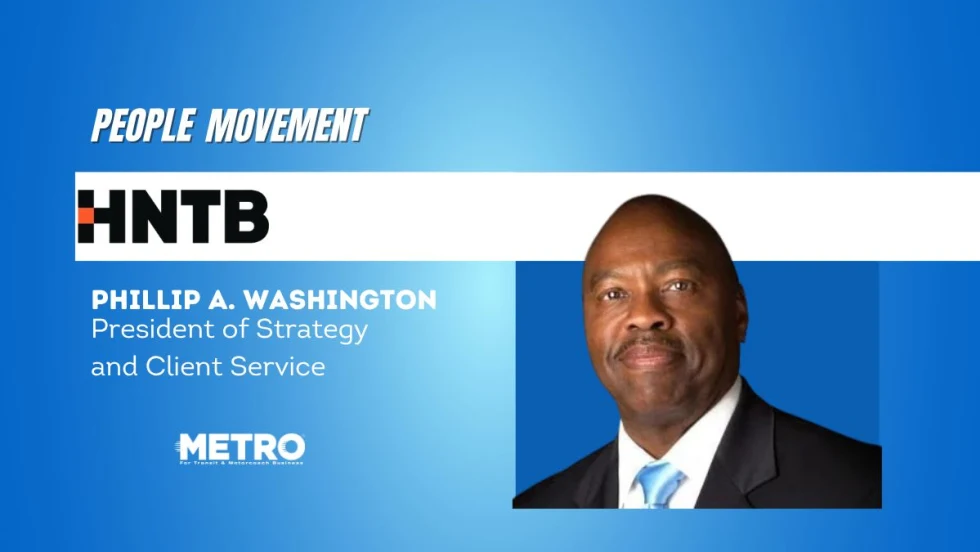
People Movement: Phil Washington Joins HNTB, Denver RTD Launches CEO Search, and More
In this edition, we also spotlight recent personnel moves at STV, the Eno Center for Transportation, and more, highlighting the people taking on new roles across the transportation industry.
Read More →
SEPTA Details Accelerate Vision for Transit System
The plan outlines investments in trolley modernization, new Metro and Regional Rail vehicles, accessible stations, and more frequent bus and rail service.
Read More →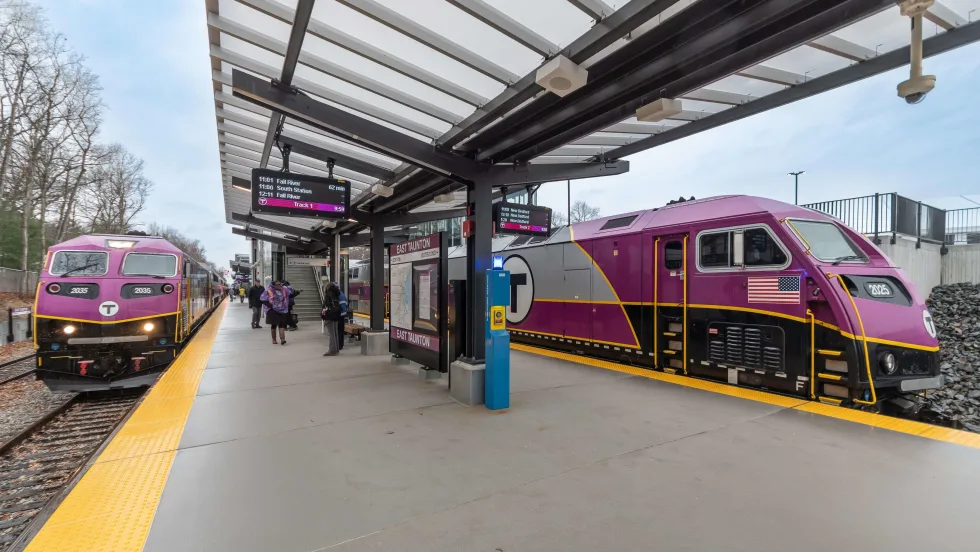
FTA Ends Direct Oversight of MBTA Safety Actions
The federal agency closed its remaining special directive to the Massachusetts Department of Public Utilities following a safety review that began in 2022.
Read More →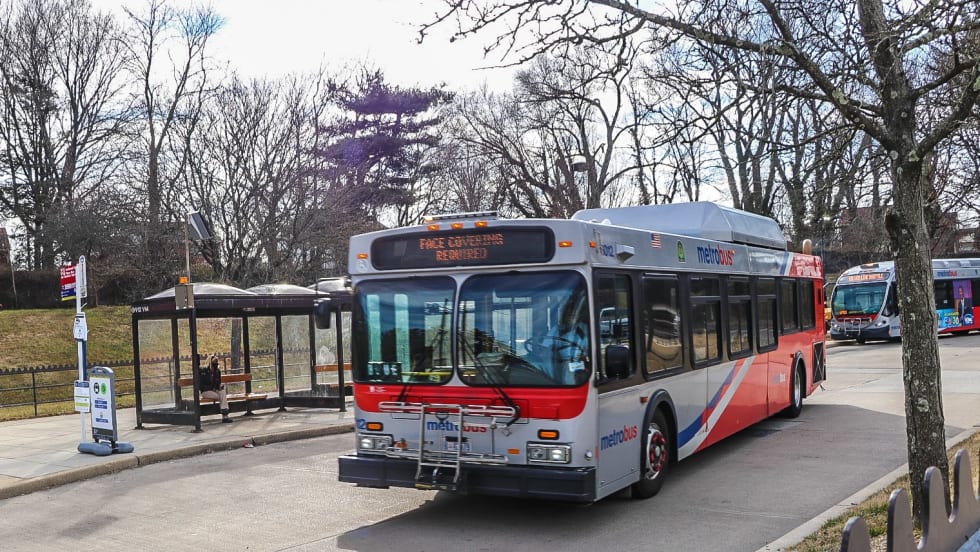
Report: Transit Bus Manufacturing Supports 34,100 Jobs, $5.1B in GDP
The “Buses Mean Business” report examines the transit bus manufacturing industry’s economic footprint, supply chain, and rising demand for vehicle replacements.
Read More →
LIT Marks 10-Year Milestone at Annual Summit
Hosted by the COTA from September 10 to 13, the Summit carried the theme “Celebrating 10 Years of Excellence, Leadership, and Impact,” with every part of the program honoring the people, agencies, and partners who built LIT over its first decade.
Read More →
People Movement: Dan Dipert Coaches Adds Third-Generation Leader, Keolis Names New Valley Metro VP/GM, and More
In this edition, we also cover recent appointments and announcements at the Wabtec, SilverRide, HNTB, and more, showcasing the individuals helping to shape the future of transportation.
Read More →