



Pennsylvania may tax oil companies to fund transit
Gov. Edward Rendell has proposed a 6% profit tax on oil companies to help fill the funding gap for transit in the state.
Pennsylvania public transit systems are in a crisis over a lack of state funding. State officials want to solve the problem with an unusual solution — taxing oil companies.
Gov. Edward Rendell proposed a 6% profit tax on oil companies doing business in Pennsylvania.
The tax would be used as operating revenue for the state’s 70 public transit systems. The tax would generate approximately $760 million a year for transit, according to state estimates.
Currently, Pennsylvania pays for transit through money from sales tax, lottery proceeds and operating subsidies. Last year, lawmakers cut subsidies by 6%, forcing some systems to run a deficit.
Managers of transit systems are left guessing as to how much they will receive annually from the state, said Dennis D. Louwerse, CEO of Berks Area Reading Transportation Authority (BARTA), a bus system serving the Reading area.
Louwerse, who also chairs the board of directors of the Pennsylvania Public Transportation Association, adds that bus systems in the area are often left scrambling to find money to meet rising fuel and health insurance costs.
In January, the lack of state funding forced BARTA to raise fares by 10% and cut back some routes. A new source of state revenue would allow systems to meet costs and forecast budgets without making dramatic fare hikes, he said.
“Transit funding in Pennsylvania is broken,” Louwerse said. “It needs to be fixed, and it needs to be fixed now.”
John Paul, executive director of the Butler Municipal Transit Authority, said Rendell’s proposal would face a legislative fight, especially from lawmakers opposed to new taxes. However, he believes that the idea makes sense because oil companies have made record profits in recent years.
Michael Johnston, director of the Town and Country Transit in rural Armstrong County, said that Rendell’s proposal would likely win over lawmakers, because people are fed up with high gasoline prices. He also feels that taxing oil company profits would be a popular move. “Honestly, who is going to say we need to give more money to the oil companies?” he said.
More Management

Best and Worst U.S. Cities for Public Transportation in 2026
A new analysis of 50 major U.S. urban areas ranks public transit systems based on accessibility, affordability, usefulness, and safety, highlighting where transit performs best and where challenges remain.
Read More →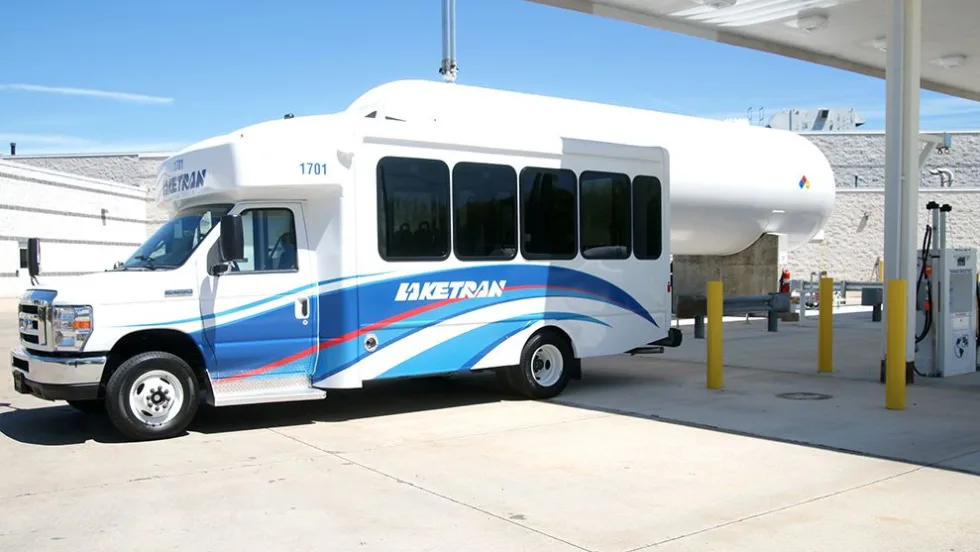
Laketran Cuts Fuel Costs, Boosts Efficiency with Propane-Powered Fleet
The Ohio transit agency is using propane-powered vehicles and on-site fueling infrastructure to cut fuel and maintenance costs while meeting growing demand for paratransit services.
Read More →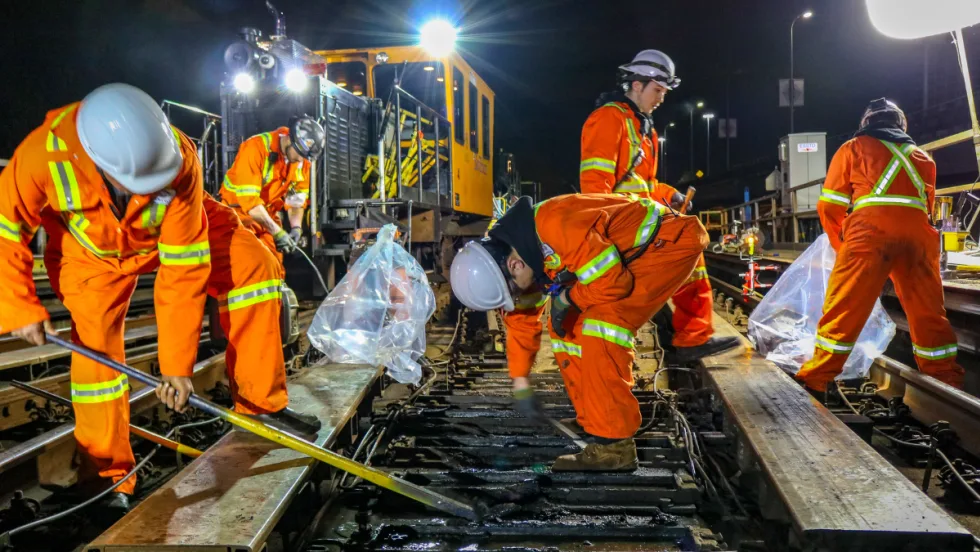
Canada’s Public Transit Supports $65.6 Billion in Annual GDP
New research from the Canadian Chamber of Commerce examines transit's economic contributions, including job creation and the financial implications of transportation investment.
Read More →
Pierce Transit Moves to Expand Fleet Following Proposition 1 Approval
The agency authorized the purchase or refurbishment of up to 60 buses to support a 47% service expansion, as voters nationwide approved billions in new transit funding.
Read More →
Right-Sizing Rural Transit: Lessons from North Grenville’s On-Demand Model
A small municipality shows how flexible service, rider needs, and public accountability can expand mobility with limited resources.
Read More →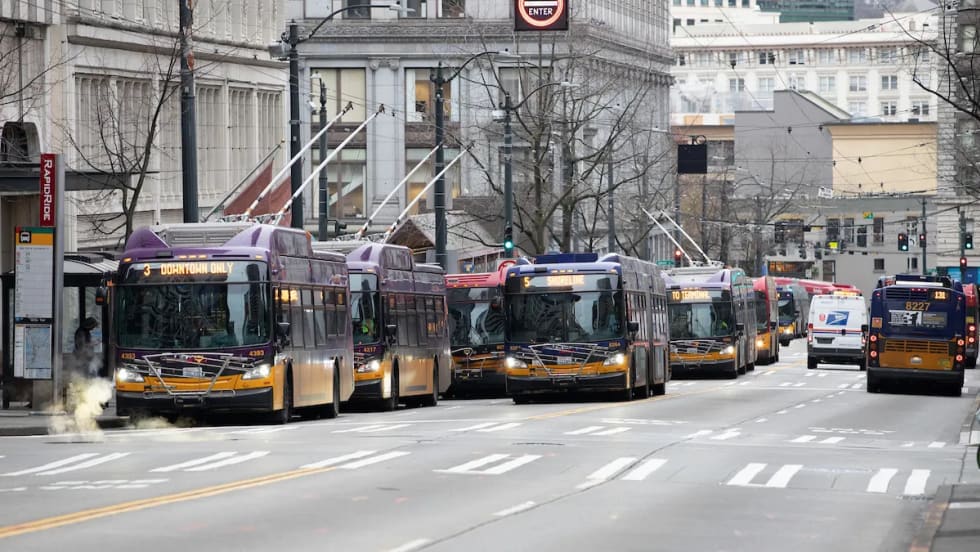
Transit Ballot Victories Signal Strong Voter Support: What Comes Next?
Voters approved billions in public transportation investments in 2026, giving agencies opportunities to preserve service, expand operations, and strengthen regional connections amid a changing political landscape.
Read More →
Transit Expands Agency Partnerships, Reaching 200 Official App Partners
COO Jake Sion discusses Transit’s growth, the success of its Transit Royale program, and how technology is helping agencies improve the rider experience.
Read More →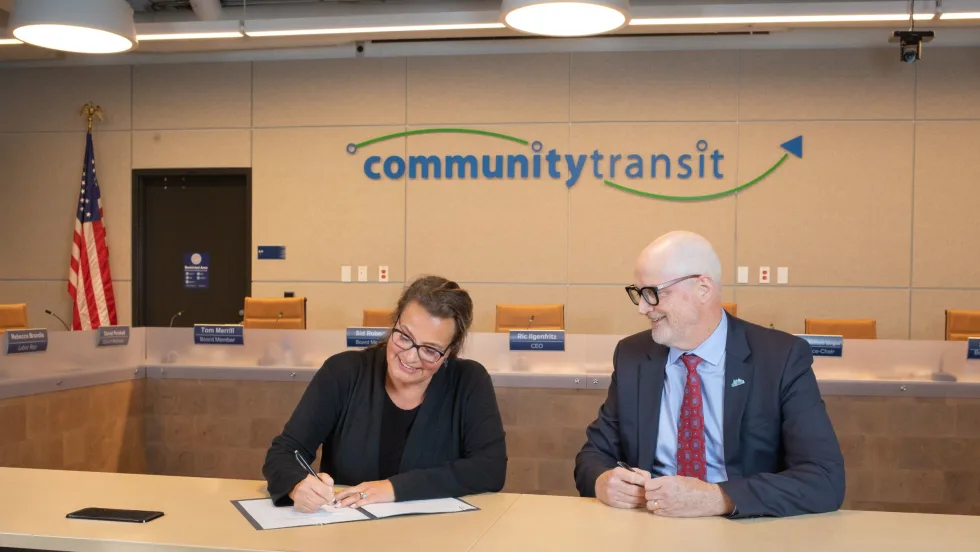
Everett Transit, Community Transit Approve Consolidation of Services
The agreement will bring Everett Transit into Community Transit’s network in April 2027, with plans to increase bus service by 50% by 2031 and expand regional connections.
Read More →
NITA Proposes $5B Operating Budget, $9.7B Capital Program for 2027
The proposed budget includes funding for expanded transit service, safety initiatives, fleet upgrades, and infrastructure improvements across CTA, Metra, and Pace.
Read More →
Financing, Fleet Replacement Requires a More Strategic Approach
Executives from ABC Companies and MCI discuss how rising costs, changing market conditions, and post-pandemic challenges are prompting motorcoach operators to rethink financing strategies, fleet replacement cycles, and long-term planning.
Read More →