



Pierce Transit buses equipped with tracking, 'talking' technology
The transit agency's technology investment is expected to increase safety and convenience and streamline schedules for fixed routes.
What started out as the replacement of a 19-year-old radio system has turned into a high-tech investment for Tacoma, Wash.-based Pierce Transit. Its 481 vehicles are now equipped, not only with a new radio system, but also GPS technology and an onboard computer, as well as other additions.
Plans to install the Affiliated Computer Services (ACS), Computer Aided Dispatch and Automatic Vehicle Location system (CAD/AVL) began four years ago, with installation starting in December 2008. It completed equipment installation in all vehicles in mid-March.
Pierce Transit also remodeled its server room, which houses all the computer equipment, and its Communications Center, the control center for the vehicles.
About 20 percent of the $35 million project was paid for by affiliate agency Sound Transit. Pierce Transit provides service under a contract with Sound Transit to King County and neighboring areas.
“We talked to several other agencies around the country about this particular system,” said Ron Moyer, Pierce Transit’s information technology project manager, noting the agencies’ satisfaction with the system. Intercity Transit, in neighboring Olympia, has also installed the system.
The onboard technology includes additions such as a computer, GPS technology to track bus movements; an alarm system with automatic onboard microphone for emergencies; and two new radios, for data and for voice.
This technology can be used to streamline bus scheduling as well. GPS technology allows the system to pinpoint exactly where vehicles are, and using this information, “the route that’s published to the public is compared to what the buses are actually doing to make sure they’re on time,” said Moyer. In addition, the system keeps track of the schedule through a display unit in the bus that allows the operator to see how early or late he is.
The system also collects rider data using automatic passenger counters that record information of the boardings and alightings at each stop. Knowing the exact flow of passengers on a route allows Pierce Transit to make changes to the route if necessary.
“Let’s say we find, mid-day on a particular route, that we’re getting little to no ridership. We may cut back on the amount of service we do for that route and increase it at the end of the day when it’s busier,” said Moyer. If they find conductors are rushing in some areas and arriving early to others, they can refine the schedule to reflect more accurate times, he added.
The more immediately noticeable changes for passengers are the new LED message boards displaying stop-requested information, the familiar voice of Seattle radio personality Tami Kosch repeating the stop announcement and the addition of a synchronized, onboard clock.
In May, passengers can begin to phone into customer service to find out bus arrival times and delays. Automatic announcement of bus stops are slated to begin mid-July. Currently, operators must call out the stop, but as the GPS detects an approaching stop, the system will announce the intersection or stop name, allowing the conductor to do his job more efficiently. The entire project is expected to be completed by the end of July.
More Bus

Finding the ‘Happy Medium’: Optimizing Maintenance Without Sacrificing Reliability
The key to maintenance optimization isn’t doing less work—it’s doing the right work at the right time on the right assets.
Read More →
LA Metro, City of West Hollywood, and Partners Advance Smarter Bus Lane Enforcement
The award-winning partnership combines AI-powered detection with human oversight to improve bus reliability, accessibility, and enforcement efficiency.
Read More →
PSTA Modernizes Workforce Management with Digital Bidding System
The award-winning Workforce Transit Modernization project replaced paper bidding with a transparent digital platform, cutting administrative effort while improving access for operators.
Read More →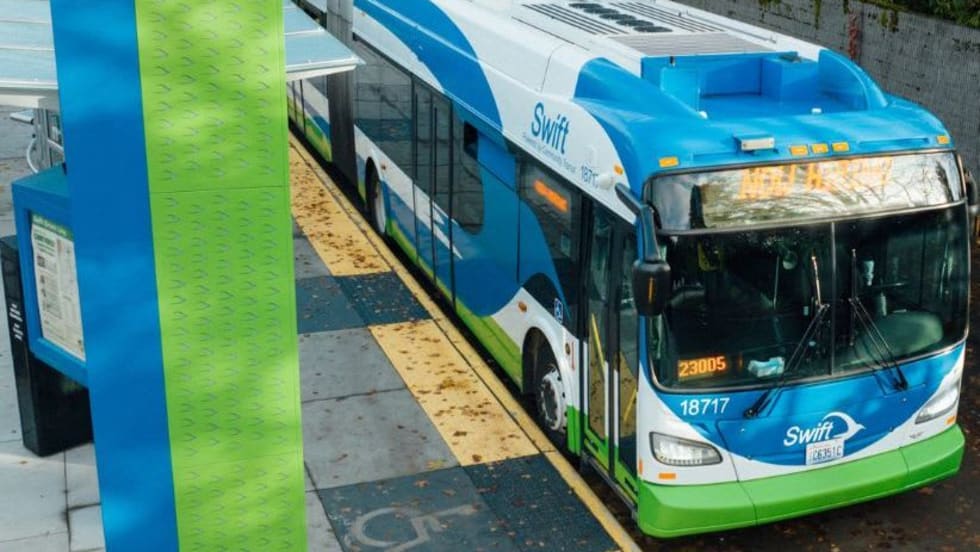
Washington's Community Transit Sets Six-Year Roadmap for Growth, Expansion
Approved TDP targets more bus service, new mobility options, Swift BRT expansion, and a potential Everett Transit annexation.
Read More →
DART Customer Satisfaction Reaches Six-Year High
Overall satisfaction rose to 74.9%, while the agency’s Net Promoter Score reached a record 33.7.
Read More →
How DART's GoPass Is Redefining Regional Mobility
Serving 14 transit agencies, GoPass simplifies multimodal travel by allowing riders to plan, pay for, and manage an entire trip through one app.
Read More →
Biz Briefs: OCTA Taps Clean Energy for Hydrogen Station, Stadler to Supply Via Rail Vehicles, and More
From manufacturers and suppliers to transit agencies and motorcoach operators, these updates offer a snapshot of the projects, partnerships and business moves driving the industry forward.
Read More →
METRO Magazine Announces 2026 Innovative Solutions Awards Winners
Projects Recognized for Advancing Mobility Through Technology, Accessibility, Workforce Innovation, and Operational Excellence
Read More →
Biz Briefs: STV teams with Amtrak, Motorcoach Operators Boost Fleet and Land Contracts, and More
From manufacturers and suppliers to transit agencies and motorcoach operators, these updates offer a snapshot of the projects, partnerships and business moves driving the industry forward.
Read More →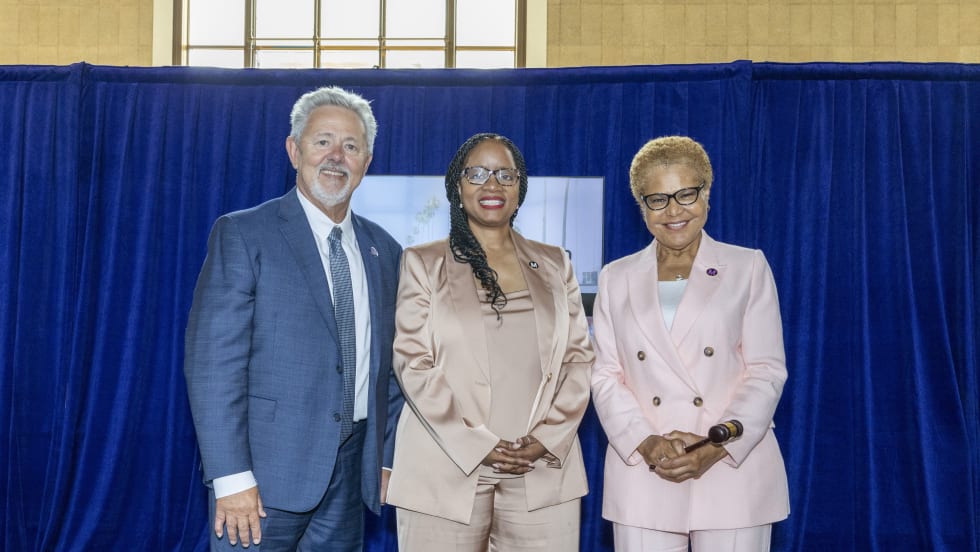
LA Metro Marks Banner Year, Sets Ambitious Goals for New Fiscal Year
Incoming LA Metro Board Chair and Los Angeles Mayor Karen Bass joined outgoing Board Chair Fernando Dutra and LA Metro CEO Stephanie Wiggins to review accomplishments from fiscal year 2026, which included the opening of new rail extensions, advancement of major transit projects, expanded safety programs, and new rider amenities.
Read More →