



Prepared to Move: How Transit Fleets Lead in Disaster Response
From backup fuel plans to creative relocation strategies and consultant-led coordination, transit agencies are rethinking disaster response with a fleet-first mindset — because when every second counts, preparedness saves lives.
When a hurricane, flood, wildfire, or earthquake impacts a region, efficiently transporting people, goods, or equipment requires a plan that positions assets to maximize response time and effectiveness.
Photo: METRO
- Transit agencies prioritize fleet management in disaster response by implementing backup fuel plans and innovative relocation strategies.
- Coordination efforts in disaster scenarios are enhanced through consultant-led initiatives, ensuring efficient response times.
- A fleet-first approach is crucial for saving lives, emphasizing the importance of preparedness when rapid action is necessary.
*Summarized by AI
When a hurricane, flood, wildfire, or earthquake impacts a region, efficiently transporting people, goods, or equipment requires a plan that positions assets to maximize response time and effectiveness. It can make all the difference when lives are at stake.
Whether it’s an emergency response fleet called into action to support rescue efforts. This transit fleet needs to quickly restore normal transport operations, or a commercial fleet navigating worst-case-scenario conditions, readiness is everything.
Energy Backup and Fuel Management
Fleet managers know that being cut off from their fuel and power supplies in a crisis can lead to delays and disrupted service. Unfortunately, this situation occurs more often than many realize.
While maintaining an adequate fuel supply is standard operating procedure, in an emergency where that access could be compromised or a generator could break down, it’s critical to have an alternative plan.
Before any crisis, savvy fleet managers evaluate how their facility will accommodate tanker access to ensure the fleet can be fueled sufficiently.
Suppose there are facility issues, such as being in a flood plain, identifying a secondary fueling location, and developing a contingency plan. In that case, it ensures awareness of alternate scenarios, and everyone can adjust appropriately.
If power goes down, an emergency backup battery system at an alternate location ensures that battery-electric buses (BEB) can be recharged while supporting essential computer, lighting, and communications systems.
Fleet Relocation Plans
It’s good to have friends in high places, geographically speaking.
Many transit and fleet facilities are located within or near flood-prone areas. While these conditions are acceptable under normal circumstances, heavy rainstorms can quickly render these facilities unusable.
Partnering with stadiums, schools, or other local businesses that can provide ample parking and space for resource relocation can alleviate this situation in an emergency.
As president of IndyGo, the Indianapolis transit agency, we collaborated with Lucas Oil Stadium to accommodate buses during natural or artificial incidents.
Consider your surroundings for opportunities, for the solution could be found in unexpected places.
During flooding events, Houston Metro positions its bus fleet along segments of the freeway, which is located on higher ground and provides convenient accessibility.
Develop relationships before a crisis, communicate regularly, and have a plan if immediate relocation of assets becomes necessary.
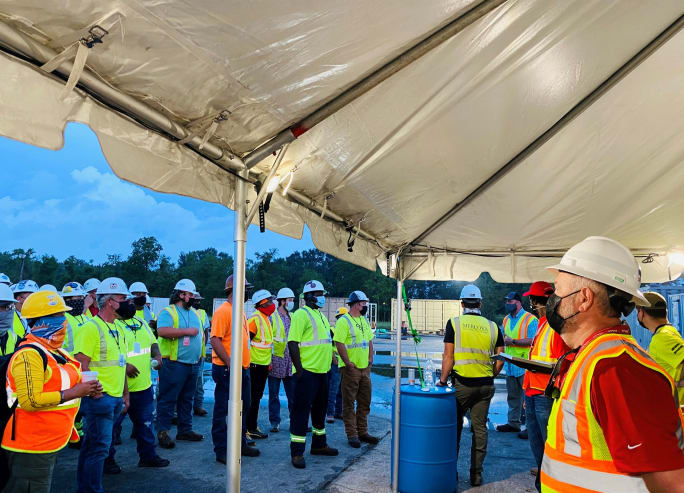
Whether a public agency or a commercial enterprise, having friends you can lean on with connections and expertise critical to a disaster response is essential.
Photo: WSP
Disaster Kits and Crew Preparedness
Prepare resources that support personnel involved in an emergency response. “Go bags” containing meals ready to eat (MREs), protein bars, water, flashlights, batteries, phone chargers, and other supplies will sustain key personnel who must remain available beyond regular operating hours.
Audit emergency protocols and supplies regularly and replace anything approaching expiration to ensure everything is available and usable.
Consider the comfort and accessibility of staff working long hours to restore regular service.
IndyGo owned a building scheduled for demolition that, upon closer examination, was the perfect location to maintain business continuity during a disaster, complete with dorm rooms, showers… even a barbecue grill for cooking meals.
While not every fleet owner will be fortunate enough to own a building that can be repurposed, it’s a reminder that underutilized assets could serve a purpose with a bit of creative foresight and ingenuity.
Leveraging Consultants and External Expertise
Whether a public agency or a commercial enterprise, having friends you can lean on with connections and expertise critical to a disaster response is essential.
Developing a partnership with consulting firms like WSP provides immediate access to experts who not only have navigated multiple disaster situations but also have established connections with contractors and resources prepared to respond at a moment’s notice.
“Emergency responses are fast-paced and short-term, and no two deployments are the same,” said Justin Stellflug, lead consultant for emergency management at WSP. “It helps to have a partner who can access the necessary personnel and equipment and help coordinate that response efficiently and as quickly as possible.”
A general contract or task order with a qualified consultant helps develop a comprehensive disaster plan.
When an emergency strikes, protocols are in place to react quickly to provide personnel, equipment, and information to address and overcome a crisis.
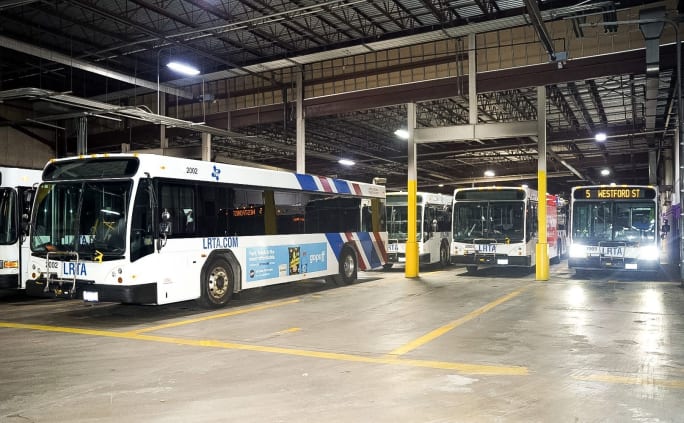
Before any crisis, savvy fleet managers evaluate how their facility will accommodate tanker access to ensure the fleet can be fueled sufficiently.
Photo: LRTA
Maintaining Human Connections in Crisis
When roads are closed or clogged due to a disaster, getting the right message to the right people using the right medium can make all the difference.
When Shawn Wilson was secretary of Louisiana’s Department of Transportation and Development, he often visited truck stops to have unfiltered conversations with drivers and better understand their concerns.
“I didn’t wear a jacket and tie on these visits. It was informal, one-on-one,” advised Wilson, sr. VP, national highways business line lead, at WSP. “Once you break the ice and build trust, they share their perspectives from the truck cab on pavement conditions or emergency responsiveness.”
He learned from those drivers that satellite radio is one of the best ways to reach them. Wilson subsequently found a communication ally in satellite radio program directors, who enthusiastically worked with him to establish protocols that alerted listeners to conditions and detours long before they crossed the state line.
“We could reach drivers as far away as West Texas so drivers could plan an effective detour,” he said. “It cast a net wider beyond using local radio alone.”
Building Interstate Coordination
Transportation agencies at the local and state levels are like families, not just within their own organization. When one group feels pain from a disaster, we all feel it and are ready to help.
Thanks to the American Association of State Highway and Transportation Officials (AASHTO), which plays a critical role in bringing organizations together, agencies work to develop mission-ready packages and leverage relationships with other states, including reimbursement through the Emergency Management Assistance Compact process.
Knowing that there is an unlimited network of support for your organization when the chips are down is a strength that fleets across the U.S. share.
Building relationships with other agencies during normal operations is essential, so that when you are called to help in a crisis or need to make that call for help, you are already a step ahead in getting the required support quickly.
No one can predict what will happen when disaster strikes. But when a fleet is prepared correctly, the impact, response, and recovery will be swift and decisive.
Inez Evans Benson is Sr. VP, U.S./Deputy Transit and Rail Market Leader at WSP
Quick Answers
Transit agencies are focusing on a fleet-first mindset by implementing backup fuel plans and creative relocation strategies to enhance disaster response.
*Summarized by AI
More Security and Safety

Transit Agencies Highlight Safety Gains at National Summit
Leaders from 15 major transit systems shared crime-reduction results and safety initiatives while discussing the role of continued federal support.
Read More →
DART Launches Major Security, Fare Enforcement Initiative
The 90-day demonstration will deploy coordinated security teams at five light rail stations while testing controlled access and gathering data to guide future investments.
Read More →
RTD Launches NextRide App to Consolidate Trip Planning, Fares, Security Reporting
The app expands on RTD’s existing NextRide web application and allows customers to view real-time vehicle locations and service alerts, purchase and store digital fares, and access customer support.
Read More →
TAPTCO Updates OSHA Compliance Training for Transit Maintenance Operations
The revamped program addresses 26 OSHA standards for maintenance facilities, with TAPTCO pointing to training, documentation, and everyday shop hazards as continuing challenges for transit operations.
Read More →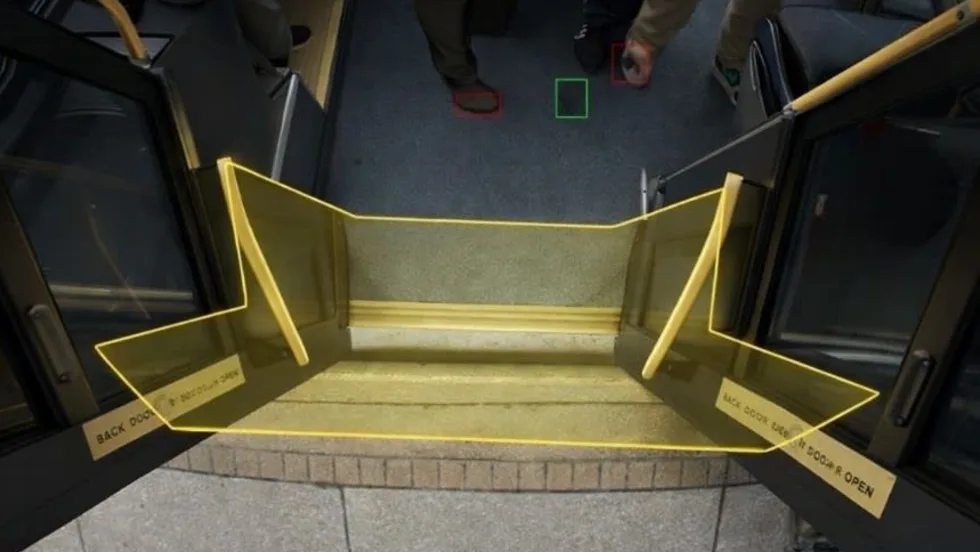
How VaporVision Adds Value to Transit Door Systems
Wabtec engineers explain how the system improves doorway detection, strengthens diagnostics and gives transit agencies and OEMs greater operating flexibility.
Read More →
FRA Announces $5.3B in Rail Investments, Including $2B for Amtrak
Funding will support grade-crossing improvements, infrastructure upgrades, and new Amtrak equipment in 23 states.
Read More →
Chicago, Maryland Expand Non-Law-Enforcement Safety, Rider Support
The CTA and MTA are launching new programs aimed at de-escalation, crisis response, rider assistance, and greater transparency.
Read More →
LA Metro, City of West Hollywood, and Partners Advance Smarter Bus Lane Enforcement
The award-winning partnership combines AI-powered detection with human oversight to improve bus reliability, accessibility, and enforcement efficiency.
Read More →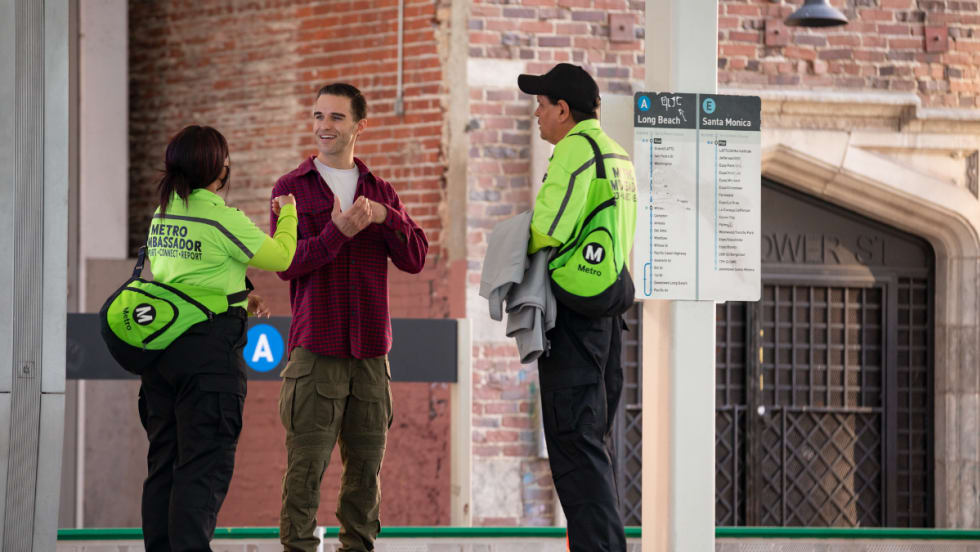
LA Metro Reports 57% Decline in Homelessness on Transit System Since 2024
The agency's latest homelessness count offers new data on how care-based services and cross-sector partnerships can complement traditional transit security strategies.
Read More →
FTA Launches 'Transit Moves America' Dashboard to Highlight Agency Safety and Performance
The online dashboard transforms National Transit Database information into a public-facing resource that allows users to compare transit agencies on key operational and safety metrics.
Read More →