



Procurement Reform From the Top Down
Introducing procurement reform means defining the issues and getting buy-in from the industry. Here is what's currently being done.
While massive procurement reform has occurred in the past, the transit industry's most recent attempts at changing how transactions are made looks to be the most sweeping. When the American Public Transportation Association (APTA) appointed a task force comprising executives from both the private and public sectors, it raised the issue of procurement to the level at which it needed to be addressed -- the very top. "Never before have procurement issues been raised to so high a level," says Bob Brownstein, co-chair of APTA's Procurement Task Force and a principal consultant at PB Consult. "Past reform efforts have had only mixed success, in part because the people making the decisions were not involved in the reform efforts." Now, 15 top executives from the public and private sectors have narrowed the issues of procurement to five categories: 1. buyer and seller relationships, 2. contract terms and conditions, 3. technical issues, 4. process and regulations and 5. legislative issues. Within each category, a set of issues was determined and prioritized based on impact and implementation time. While full implementation of all of the issues will take several years, the task force hopes to have the first group of the 40 completed in one year or less. The issues are targeted to the public and private sectors of the industry to make the overall procurement process smoother for all, whether a transit agency or a sub-supplier. "It benefits both sides," says Paul Skoutelas, co-chair of the APTA Procurement Task Force and general manager of the Port Authority of Allegheny County in Pittsburgh. "If we can help the business sector in the long run, we make sure the marketplace is stronger and [the public sector] gets quality products and competitive pricing." For years, the industry has been plagued by such things as excessive backlog, low margins and limited product development and innovation. Vehicle manufacturers may wait several years between filling an order and receiving payment from a transit agency, resulting in negative cash flow. With such measures as progress payments and delegation of authority, the APTA task force is seeking to change that. "There's a direct correlation between procurement and a good business climate," Brownstein says. "The reform will ultimately improve the business climate and the margins in the industry, thereby helping both the suppliers and the transit systems." Support from all sides The proposed areas of reform are not only getting support from APTA and its members, but also are receiving strong support from the government. Both Brownstein and Skoutelas stressed the strong level of support and cooperation the task force is receiving from the Federal Transit Administration (FTA). "It's an important effort for the industry, which is why it was made a priority. For the first time, all the partners have come together in unison," Skoutelas says. One of the keys to the working relationship between APTA and the FTA is the FTA's Office of Procurement, led by Lucy Jackson. Jackson attends all of the procurement task force meetings and says she couldn't be more pleased with the results. "There is a devotion to procurement reform to make a difference and affect a change in the industry that will result in a healthy economy," she says. "The current [FTA] administration is very committed to the reform." That commitment was displayed in a Dear Colleague letter to the industry in May 2002. The letter laid out several policy changes and clarifications to the industry, most significantly the rescission of five-year contract term limitations. That means FTA grant recipients no longer need to obtain FTA approval for contract terms exceeding five years, except in contracts for rolling stock and replacement parts. "It's a tremendous reduction in paperwork and a greater flexibility in decision-making at a local level," Jackson says. The letter also touted e-commerce as a way to conduct procurements ("This is the era of technology," Jackson says. "It should be used."), and restipulated that FTA funds may not be used to make advance payments unless prior written consent is received from the FTA, as well as the effect of using various FTA funding sources for operating and preventive maintenance contracts. To promote best practices throughout the industry, the FTA produces a Best Practices Procurement Manual and is creating an experimental procurement laboratory to promote and encourage innovative procurement methods. "It provides a non-threatening environment for grantees to share creative processes with their colleagues, hopefully leading to more procurement reform," Jackson says. The manual and lab are accesssible on the FTA's Website, www.fta.dot.gov. Despite all of the FTA's support, changes do not just need to be made at the federal level. "The FTA can make all of the changes it wants, but we need to get the transit properties themselves to make the changes," Brownstein says. Getting the message out Getting buy-in from the public and private sectors is key to successful procurement reform. "We need to identify how to get the message out across the industry," Skoutelas says. "It's a fundamental need that could have profound potential to change the way we do business." Educating the industry is being accomplished through such things as sessions at APTA meetings, revamping course offerings on procurement at the National Transit Institute and having a liaison to the supplier side of APTA's membership through the Business Member Board of Governors (BMBG). As chairwoman of the BMBG Procurement Committee and a member of the APTA Procurement Task Force, Annemarie Chenoweth, who is also CEO of Neoplan USA, is a strong link to the needs of the supplier community. The BMBG committee identified four areas that need to be addressed when looking at procurement reform, all of which affect both suppliers and transit agencies: eliminating negative cash flow, RFPs vs. IFBs, Buy America and more balanced contract terms and conditions. Most of those issues are being addressed by the APTA task force. "Both sides sitting around the table and talking is already a great step forward but ultimately, getting constructive results will rely to a large degree on how the recommendations of the task force get implemented," Chenoweth says. "The jury is still out on whether the industry will realize some changes that are needed." For the industry to accept needed changes, it first needs to be made aware of what those changes are. "Awareness has been rising on a lot of these issues," Chenoweth says. "To really effect significant change, the vast majority of APTA membership has to sign on." That means more education for procurement staff, working more closely with the FTA and making senior management aware of the issues, she says.
More Management

CATS Launches West Charlotte Microtransit Zone, Expands Transit Services
The new microtransit zone connects residents to key destinations as Charlotte Area Transit System rolls out the first phase of its 2055 Transit System Plan.
Read More →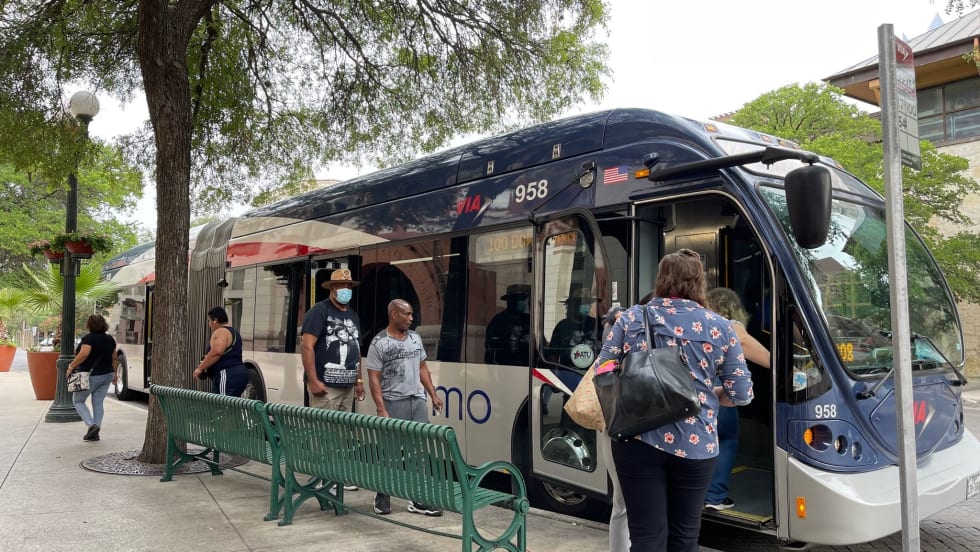
VIA Bus Ridership Grows 10.1% Through August 2026
San Antonio's VIA Metropolitan Transit reported the highest bus ridership growth among major Texas transit systems. Federal Transit Administration data ranked it second among the nation's 50 largest transit systems.
Read More →
CSA Group Releases Climate Resilience Standard for Transit, Passenger Rail
Developed with support from the Standards Council of Canada, CSA D700 guides assessing climate-related risks and planning adaptation measures for transit and passenger rail systems.
Read More →
ETA CEO John Maglio on Transit Technology, Innovation, and Building Agency Trust
ETA founder and CEO John Maglio explores the evolution of transit technology, the importance of reliable systems, and how stronger partnerships can help agencies improve operations and the passenger experience.
Read More →
COTA Launches First Customer Experience Action Plan to Improve Transit Service
The new plan outlines improvements to service reliability, accessibility, communication, and the overall rider experience across Central Ohio's transit system.
Read More →
LA Metro September Ridership Climbs 3.9%, Led by Rail Growth
The agency recorded more than 27.2 million boardings, with rail ridership increasing 12.4% year over year and the D Line posting the largest gains.
Read More →
Utilimarc Launches SmartReplace to Optimize Fleet Replacement Decisions
AI-powered SmartReplace helps fleets prioritize vehicle replacements, model budget scenarios, and build more defensible long-term strategies.
Read More →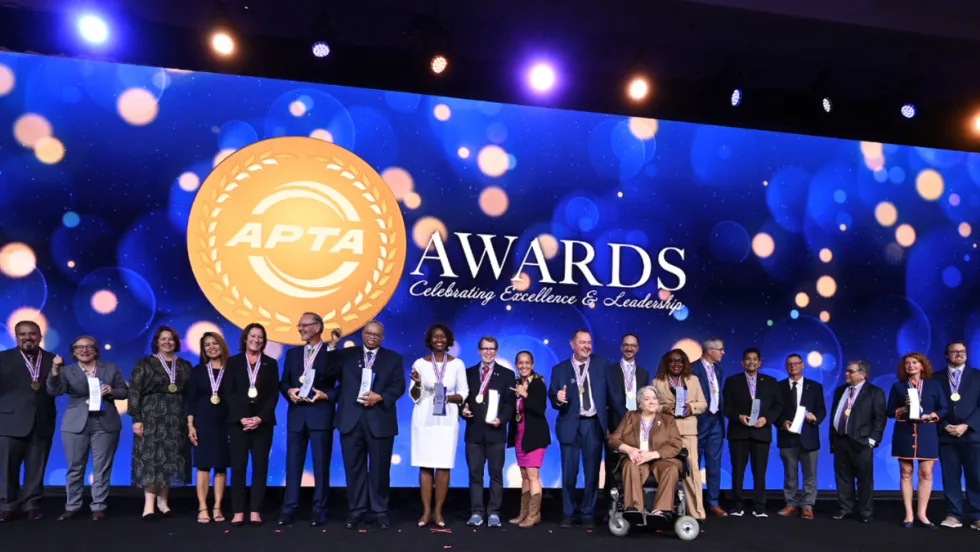
APTA Honors 2026 Award Winners, Hall of Fame Inductees at TRANSform & EXPO
Innovations in autonomous and zero-emission transportation, standout transit systems, and industry leadership took center stage among this year's honorees.
Read More →
7 Ways to Build a Better Transit Internship Program
Lessons from DRPA/PATCO’s approach to creating a meaningful internship experience—and developing the next generation of transportation professionals.
Read More →
Scenes from APTA TRANSform & EXPO 2026
Transit leaders, manufacturers, and industry professionals gathered in Chicago to explore new technologies, share ideas, and discuss the future of public transportation.
Read More →