



Putting Out Fires: Is Your Operation Prepared for A Disaster
Day-to-day “fires” may be stressful, but you’re used to putting them out, right? But are you prepared for a literal fire? What would you do if your office building was struck by lightning? What would happen if your fleet was destroyed in a tornado? Torrential rains flood your waiting room? What now?
According to the Federal Transit Administration, when an emergency occurs, everyone from dispatchers to supervisors and bus drivers need to react immediately to protect life, equipment, and your facilities.
Photo: METRO
- The content addresses the importance of preparedness for natural disasters in business operations.
- It raises questions about the readiness of businesses to handle unexpected, severe events like fires, tornadoes, and floods.
- The focus is on the potential impacts of natural disasters on physical assets and operations, prompting consideration of contingency plans.
*Summarized by AI
Day-to-day “fires” may be stressful, but you’re used to putting them out, right? Let’s face it, you’ve dealt with drivers calling out sick. You’ve managed to run the office when the phone system is glitching. And, you’ve calmed down frustrated customers after your buses ran late.
But are you prepared for a literal fire? What would you do if your office building was struck by lightning? What would happen if your fleet was destroyed in a tornado? Torrential rains flood your waiting room? What now?
If you don’t have an answer to the above questions, take some time to put together an emergency plan so that if the unthinkable does occur, you can be confident you can mitigate the situation.
Communication is Key
It might seem simple, but one of the most important things to do first is to set up a way to communicate a plan of action to your entire team.
Mark Szyperski, president and CEO of On Your Mark Transportation, explained that setting up a plan that involves communicating the crisis to your team is essential.
“Make sure you have a plan in place for your leadership to inform the rest of your staff,” he said.
According to the Federal Transit Administration, when an emergency occurs, everyone from dispatchers to supervisors and bus drivers need to react immediately to protect life, equipment, and your facilities.
In an article entitled “Effective Practices in Bus Transit Safety,” the department suggested, “they can only do this if they are aware of the transit agency’s emergency response procedures, were trained on how to carry them out, and can easily access documentation of the procedures when needed.”
Maybe you have a phone chain where each person calls another person. Or maybe your executives call the management staff, who divide themselves up and call the rest of your employees so that everyone can get on the same page. Or, maybe you have a group text chat set up in case of emergencies.
Make sure you have your emergency plan in several locations — not just on an office computer. Have it backed up on an executive’s home computer, or in the cloud or on a drive. Make sure there are several copies in case of an emergency.

It may go without saying, but make sure you have a good understanding of your insurance policy and what protections you have.
Photo: ABC/Echo
Protect Your Files, Documents
Many of us take for granted how easy it is to file documents on our office computers. But do you have your computer backed up somewhere off site?
You can lose your data in a number of ways. The National Cybersecurity Alliance suggests backing up your files regularly and often.
“You might want to even back up your files daily, or even more frequently,” it suggested in an online article entitled, “Backups.”
According to the article, a data backup is a three-step process.
First, create copies of your data. Then, set up automatic cloud backups, and finally, safely store your copied files on a backup device or service.
It doesn’t have to be daunting. According to the article, “many computers come with backup software installed, so you probably already have an option on your device. Most backup software programs allow copying every file and program on your computer. If you prefer, you can also usually opt to copy just the files you’ve changed since your last backup.”
Have a Backup Plan for Equipment
If there is a fire or another disaster that impacts equipment at your garaging facility, do you have a plan in place?
Consider having an agreement with neighboring competitors to rent or borrow unused equipment so that you can keep running. While that may seem like the last thing they’d agree to, the arrangement could go both ways. You could offer to rent them your unused equipment if something should happen to their fleet.
Another option would be to lease from someone or do a farm out to someone.
Designate a Temporary Office Space
If a truck drives into your office building, or the sprinkler system goes off and floods everything, you’ll want to make sure you have plans for a temporary office space.
Perhaps, it’s a rental construction trailer or a shared office space, or even someone’s home office.
Make sure you consider, however, all the municipal requirements of such an office space. Does your plan meet zoning requirements? How much space do you need? And do you have a list of options you could rent or lease out?
In such a scenario mentioned above, could your employees potentially work from home? Do they have laptops they could use to get back online? How many other additional systems would you need in order to get you back up and running?
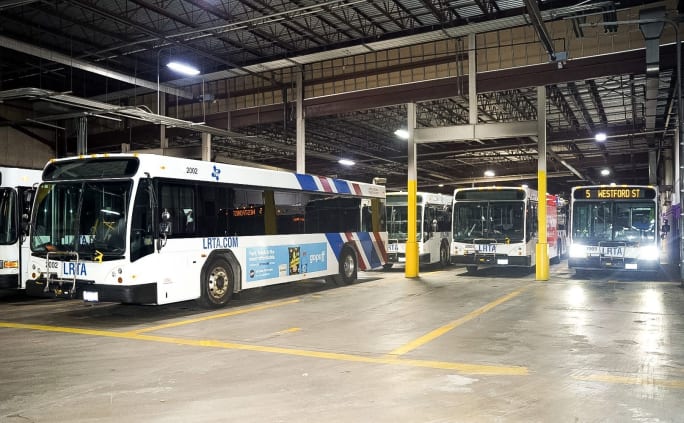
Consider having an agreement with neighboring competitors to rent or borrow unused equipment so that you can keep running. While that may seem like the last thing they’d agree to, the arrangement could go both ways.
Photo: LRTA
Plan Ahead and Worry Less Later
It may go without saying, but make sure you have a good understanding of your insurance policy and what protections you have.
Take a Saturday morning and have a team meeting where you can map out your plan and get input from your employees. Walk through the various disasters that could happen and what happens next.
“Break the entire team into smaller groups, and each group can take on the task of answering questions for each of the different disasters,” suggested Szyperski. “Work through all the issues and bring the teams back together to give their report on their findings. It’s OK to give them a month or two to come up with all the answers. But don’t let them put it off.”
You can even contact your local fire and police department to help facilitate training or give advice about different types of emergencies.
The U.S. Department of Transportation suggests using checklists of procedures for various kinds of emergencies and keeping an updated binder of the procedures with every radio dispatcher. You could also be sure every office and bus has one on board.
Once your plan is in place, Szyperski suggested reviewing it annually and updating it with any new names, positions, duties, pricing, and/or contact information. Then, ask those “what if” questions again, just to make sure everyone is on the same page. An annual training is a great idea.
Make sure all new employees get this information when they are onboarded.
“The ‘fires’ we fight every day in our normal routine will not compare with a real emergency, but if you are prepared, you will at least be a few steps ahead,” said Szyperski.
On Your Mark Transportation is a consultant firm in the passenger ground transportation industry. For more information, visit www.onyourmarktransportation.com
Quick Answers
Conduct a comprehensive risk assessment to identify potential hazards, evaluate the existing emergency plans, and ensure that all safety protocols are up to date and effective.
*Summarized by AI
More Security and Safety

Transit Agencies Highlight Safety Gains at National Summit
Leaders from 15 major transit systems shared crime-reduction results and safety initiatives while discussing the role of continued federal support.
Read More →
DART Launches Major Security, Fare Enforcement Initiative
The 90-day demonstration will deploy coordinated security teams at five light rail stations while testing controlled access and gathering data to guide future investments.
Read More →
RTD Launches NextRide App to Consolidate Trip Planning, Fares, Security Reporting
The app expands on RTD’s existing NextRide web application and allows customers to view real-time vehicle locations and service alerts, purchase and store digital fares, and access customer support.
Read More →
TAPTCO Updates OSHA Compliance Training for Transit Maintenance Operations
The revamped program addresses 26 OSHA standards for maintenance facilities, with TAPTCO pointing to training, documentation, and everyday shop hazards as continuing challenges for transit operations.
Read More →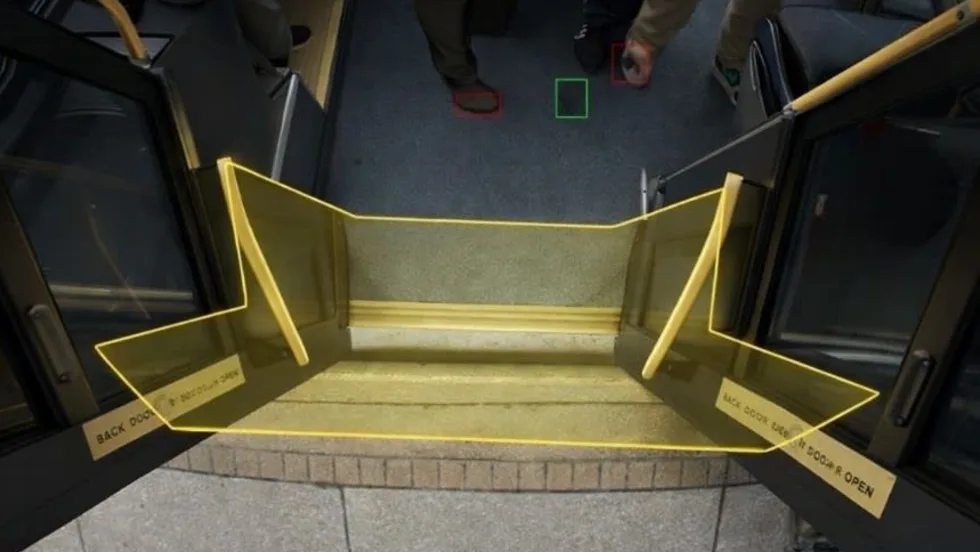
How VaporVision Adds Value to Transit Door Systems
Wabtec engineers explain how the system improves doorway detection, strengthens diagnostics and gives transit agencies and OEMs greater operating flexibility.
Read More →
FRA Announces $5.3B in Rail Investments, Including $2B for Amtrak
Funding will support grade-crossing improvements, infrastructure upgrades, and new Amtrak equipment in 23 states.
Read More →
Chicago, Maryland Expand Non-Law-Enforcement Safety, Rider Support
The CTA and MTA are launching new programs aimed at de-escalation, crisis response, rider assistance, and greater transparency.
Read More →
LA Metro, City of West Hollywood, and Partners Advance Smarter Bus Lane Enforcement
The award-winning partnership combines AI-powered detection with human oversight to improve bus reliability, accessibility, and enforcement efficiency.
Read More →
LA Metro Reports 57% Decline in Homelessness on Transit System Since 2024
The agency's latest homelessness count offers new data on how care-based services and cross-sector partnerships can complement traditional transit security strategies.
Read More →
FTA Launches 'Transit Moves America' Dashboard to Highlight Agency Safety and Performance
The online dashboard transforms National Transit Database information into a public-facing resource that allows users to compare transit agencies on key operational and safety metrics.
Read More →