



Railcar plays role in emergency training
Emergency responders train in a retired underground railcar in West Virginia.
When retired in 2000, Boston’s Green Line subway car 3541, a Boeing-Vetrol LRV, was buried deep inside a West Virginia mountain. On an almost daily basis, it plays a part in a staged performance filled with screaming victims and thick smoke intended to help train first responders in the event of an emergency. In full protective gear, these responders check the subway car’s interior not only for casualties, but also any lingering biological, chemical or radiological agents that may have been part of a weapons of mass destruction (WMD) attack. Though it no longer sees the light of day, the car has become one of the most important "props" at the Center for National Response (CNR), a joint training facility for military and civilian emergency responders.
The tunnel became a homeland security training site in 2000-2001, with the former Boston car placed inside. The federally funded site is owned by the West Virginia National Guard. A contractor manages the civilian training staff.
The facility even has an area simulating a subway station, complete with turnstiles, allowing responders to practice getting bulky emergency equipment past such obstacles. While the former Boston car is not a perfect stand-in for all transit equipment, it allows responders to become familiar with searching such vehicles in zero visibility.
Emergency responders training together in the tunnel have included members of the San Francisco Fire Department, a WMD military Civil Support Team (CST) from the San Francisco bay area, and representatives of the Bay Area Rapid Transit System (BART). WMD CSTs are elite military units with high-tech gear tasked with surveying the scene of a WMD attack or other mass casualty event and then coordinating military and civilian responses. "I need this place," said Lt. Col. Jeffrey D. Smiley, commander of the 95th CST (WMD) from California. "We’re simulating a BART incident and we can’t do that on BART itself."
During one training scenario, an entry team from the CST went in first to evaluate the situation and to check for lingering hazards and was then followed by firefighters who treated and evacuated casualties. Though the smoke filling the tunnel was of the non-toxic theatrical stage-effect type, all participants wore full protective and breathing gear and had to operate in total darkness, working around debris in the tunnel. The smoke, whose density can be controlled, can simulate either smoke from a fire or dust clouds following an explosion or building collapse. As with most training scenarios in the tunnel, role players depicted walking wounded, while dummies portrayed serious casualties, often buried under debris.
Even knowing that this is a training exercise, being far inside a dark, smoke-filled tunnel is eerie. Staff report that emergency responders who had been at the 9/11 New York attacks found the setting so realistic that they suffered flashbacks.
After each exercise, responder supervisors and CNR training staff evaluate participants. Then, the scenes inside the tunnel are reset for yet another exercise and another group of emergency responders. Transit systems interested in training at the CNR should contact their state’s CST (WMD) through the state adjutant general. More information about the CNR can be found at www.centerfornationalresponse.com.
More Management
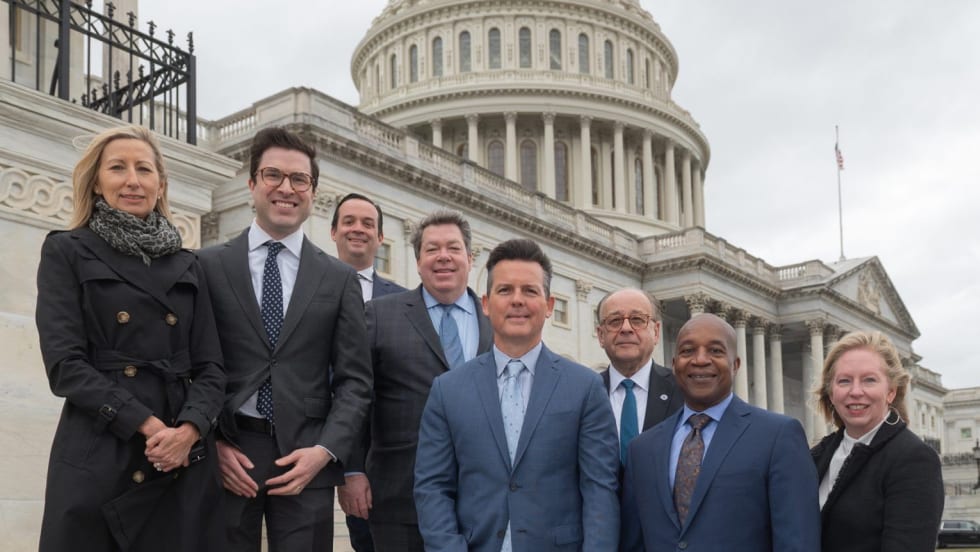
The Business Voice Behind Public Transportation
As chair of APTA’s Business Members Board of Governors, Ray Melleady explains how more than 850 business members are partnering with transit agencies to advance funding, innovation, and industry-wide collaboration.
Read More →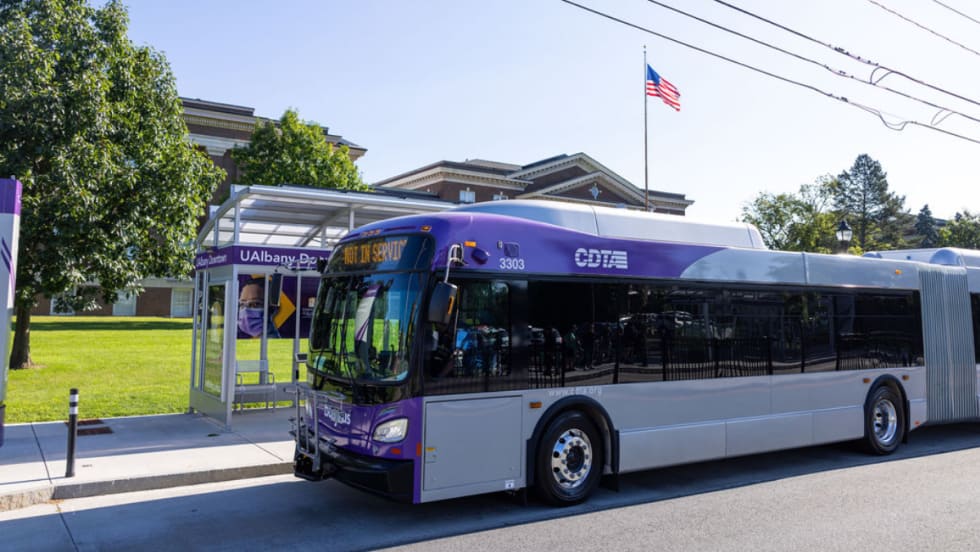
New York’s CDTA Service Rebalancing Boosts Productivity, On-Time Performance
Despite a slight dip in ridership, the agency’s FY2026 results show its service rebalancing strategy is helping the agency carry more riders per service hour while improving reliability.
Read More →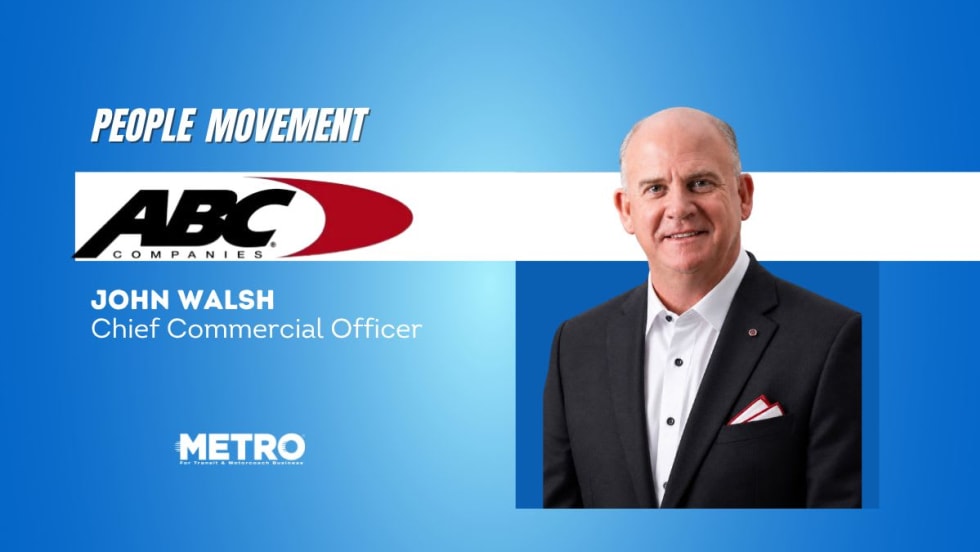
People Movement: ABC Names John Walsh as Chief Commercial Officer
In this edition, METRO also covers recent appointments and announcements at the DART, STV, and more, showcasing the individuals helping to shape the future of transportation.
Read More →
From Surviving to Thriving: Building Stronger Transportation Organizations
Bus Business Consultants founder Brian Dickson shares lessons on leadership, organizational health, and creating options for long-term success in a changing transportation industry.
Read More →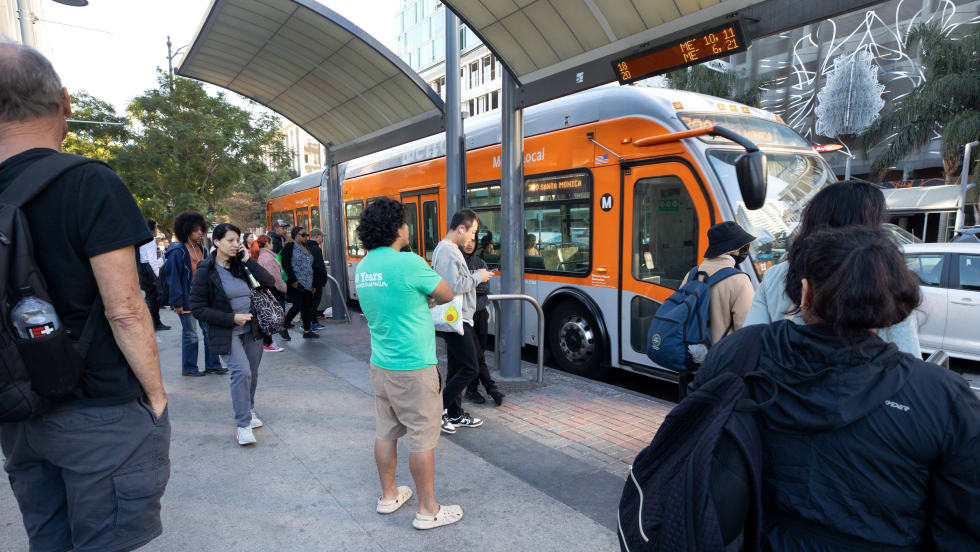
LA Metro Ridership Continues Growth as Rail Gains Accelerate
New rail connections and major events help drive continued ridership gains, with Metro recording its eighth consecutive month of year-over-year rail growth.
Read More →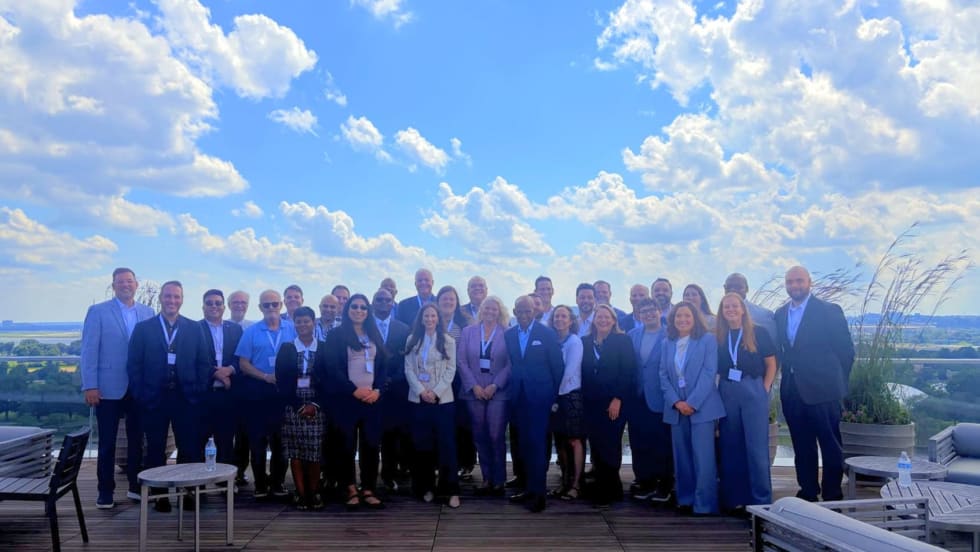
TransDASH Summit Focuses on Measuring What Matters in Transit
Transit agencies unveil a national performance platform designed to benchmark customer experience, safety, community value, and other outcomes.
Read More →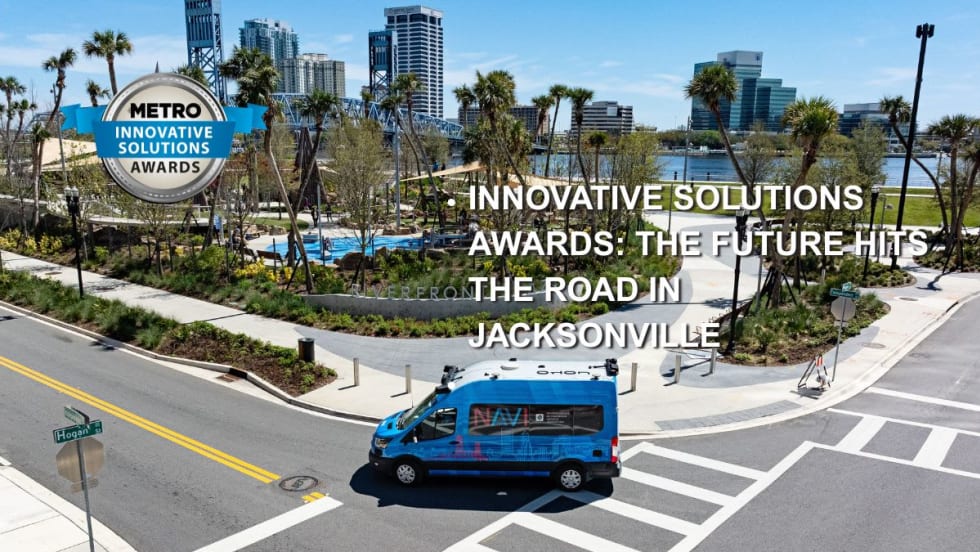
Jacksonville’s NAVI Project Charts a New Course for Autonomous Public Transportation
Through its NAVI program, JTA is showing how autonomous vehicles, intelligent infrastructure, and coordinated operations can work together to deliver everyday public transportation.
Read More →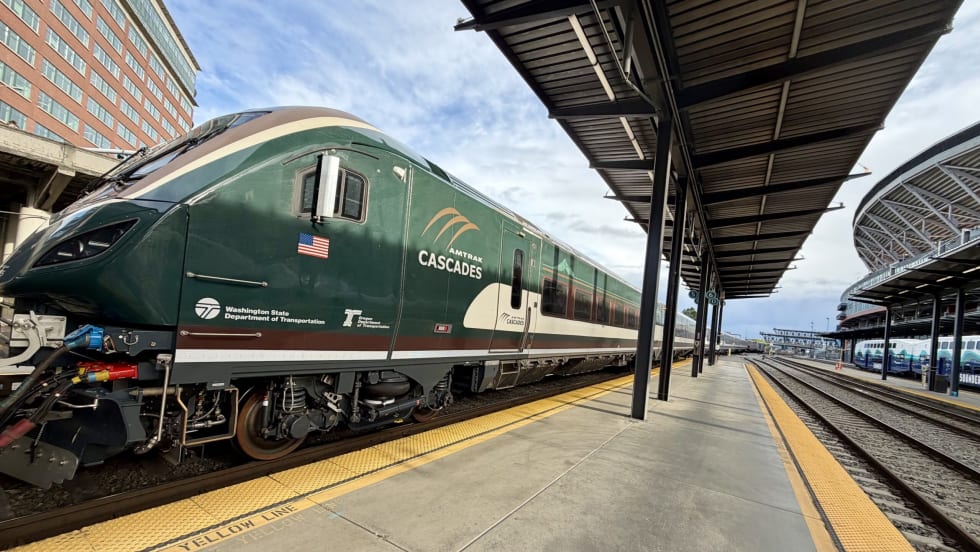
FRA Announces $5.3B in Rail Investments, Including $2B for Amtrak
Funding will support grade-crossing improvements, infrastructure upgrades, and new Amtrak equipment in 23 states.
Read More →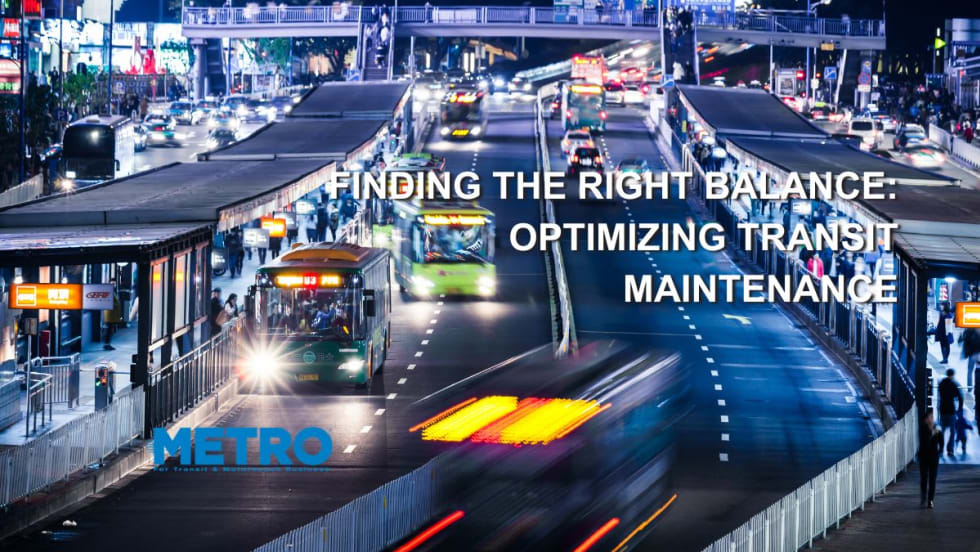
Finding the ‘Happy Medium’: Optimizing Maintenance Without Sacrificing Reliability
The key to maintenance optimization isn’t doing less work—it’s doing the right work at the right time on the right assets.
Read More →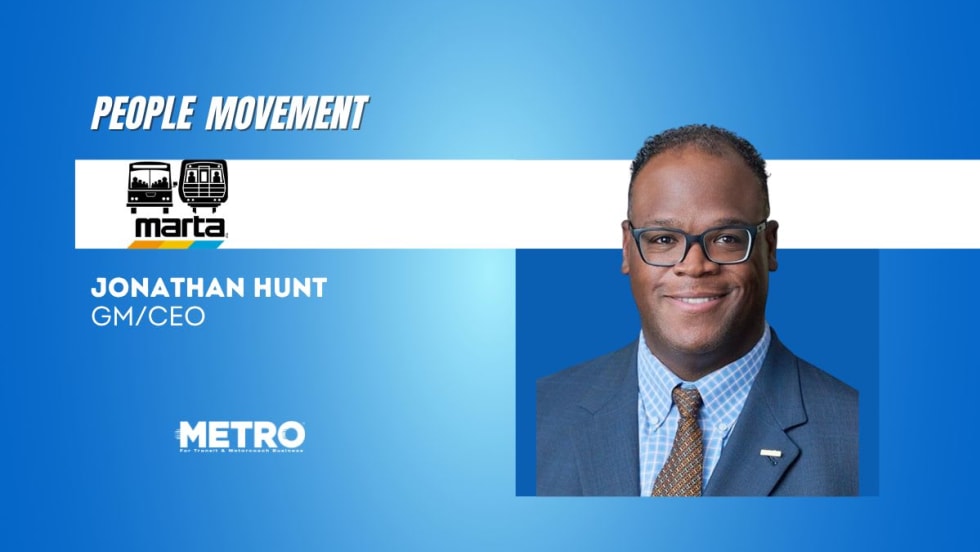
People Movement: MARTA Drops Interim Tag on GM/CEO Hunt and More
In this edition, METRO covers recent appointments and announcements at the FMCSA, HDR, SilverRide, and more, showcasing the individuals helping to shape the future of transportation.
Read More →