



Raising mechanics from the unskilled labor pool
Typically, service division employees are hired by transit agencies as unskilled labor with little or no possibility to advance in the organization.
In past articles, I have talked about what we, as instructors, must do to get mechanics up to speed on new technologies. Now, I would like to talk about what we should do for service division employees who want training to become mechanics. Typically, service division employees are hired by transit agencies as unskilled labor with little or no possibility to advance in the organization. Imagine what it would be like to be in a job knowing there was very little or no possibility for advancement. Opportunity builds morale By giving service division employees the opportunity to become mechanics, we create a win-win situation for all involved. Looking within for talent may be one way to deal with the challenge of attracting and retaining “star performers” at every level of the organization. And this type of training is a morale booster because it demonstrates that the organization cares enough to invest valuable resources in training these employees, and it gives them a goal. Training can be expensive and time-consuming, but no more so than hiring and training new employees with limited experience. Service employees already have some years invested in the organization and are more likely to continue employment after becoming mechanics. Most in-house transit training programs are not set up to train employees with no mechanical knowledge or experience. In designing one, the first priority is to make the programs and instruction flexible and geared to the realization that everyone has different learning capacities and capabilities as well as skill sets. As instructors, we have to realize that in dealing with employees who have no or limited mechanical knowledge and experience, things have to be done a little differently. At the Transit Authority of River City (TARC), we have three maintenance training programs. The formal program, an “introduction” to mechanics, lasts six months to two years, depending on a trainee’s experience. The apprenticeship program lasts two years. Both are certified by the U.S. Department of Labor. Trainees in the formal program and the apprenticeship program work in the garage, side-by-side with an experienced mechanic, for the first 90 days of the program. This gives the trainee the opportunity to become familiar with the inner workings of a bus, safety features and the use of test equipment. Not too fast, though It is important to note that trainees should not be put in an advanced technical training program until they “get the basics.” Doing so is a guaranteed formula for failure. And hands-on basic training in the garage lets service employees find out exactly what they’re getting themselves into. After a short time, some trainees may figure out that this is not for them. Being a mechanic is hard work, and it’s a dirty job. We also have a two-year advanced training program that gives service employees the basics of mechanics, and is taught by in-house instructors. Employees attend on their own time four hours a night, one night a week for a total of 420 hours. If an internal training program cannot be set up within an agency, there is always outside training. At TARC, we offer a tuition assistance program that reimburses employees for outside schooling according to their grade. We’ve worked with the Amalgamated Transit Union Local 1447 for the past few years to establish this program and to give all service division employees an opportunity to become mechanics. The success rate to date has been about 95%. Some folks will surprise you. Everyone is not cut out to be a mechanic. But we believe that everyone who wants to deserves the opportunity to show what he or she can do. If it is determined, through written and/or hands-on testing, that the employee does not have the aptitude or ability to become a mechanic, the employee must accept this fact. My advice is to be as patient and understanding as possible.
More Management
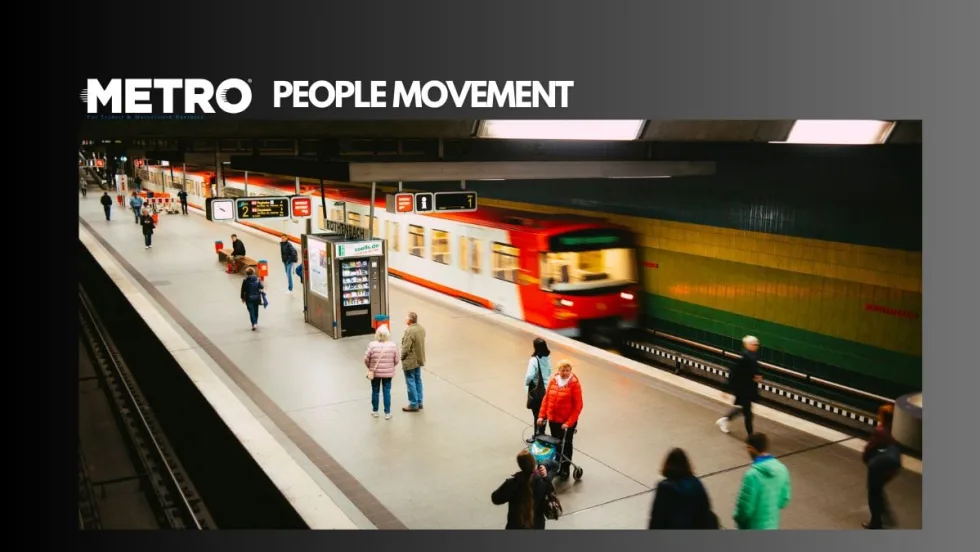
People Movement: Connectpoint Expands Leadership Team, Stadler Names New Group CEO, and More
In this edition, we also spotlight recent personnel moves at Burns, UZURV, and more, highlighting the people taking on new roles across the transportation industry.
Read More →
More Than a Summer Job: Building the Next Generation of Transit Talent
The Delaware River Port Authority and PATCO have transformed their internship program into a hands-on professional development experience that introduces students to the breadth of transportation careers — and creates a pipeline for future employees.
Read More →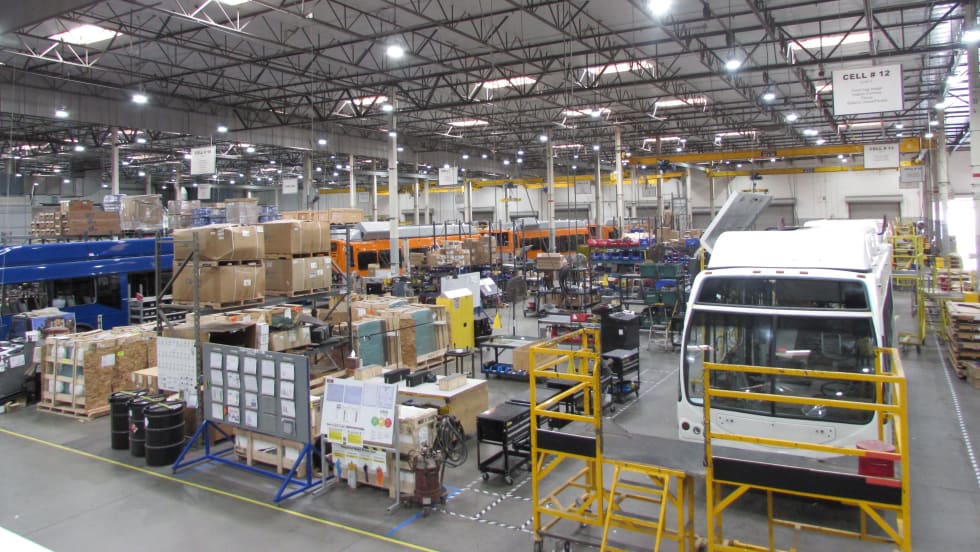
LA Metro Board Awards 220 Battery-Electric Bus Contract to ENC
The contract, which is the largest base award of battery-electric buses by a U.S. transit agency, will be built in Southern California, sustaining good jobs as LA prepares to welcome the world in 2028
Read More →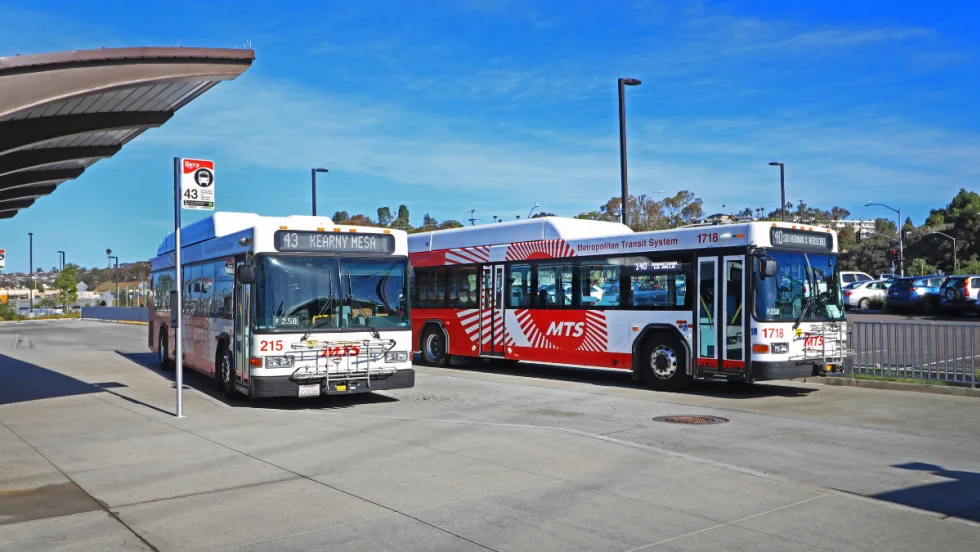
What’s Behind San Diego MTS’s Award-Winning Transit Strategy
Named one of APTA’s 2026 Outstanding Public Transportation Systems with 50 million or more annual passenger trips, California’s San Diego Metropolitan Transit System points to gains in ridership, safety, technology, and reliability as foundations of its success.
Read More →
Public Transit Conference Returning to GFX in 2027, Call for Papers Now Open
The Call for Papers is now open, allowing transit agency professionals and industry experts to help shape the PTC educational program by submitting session ideas for consideration.
Read More →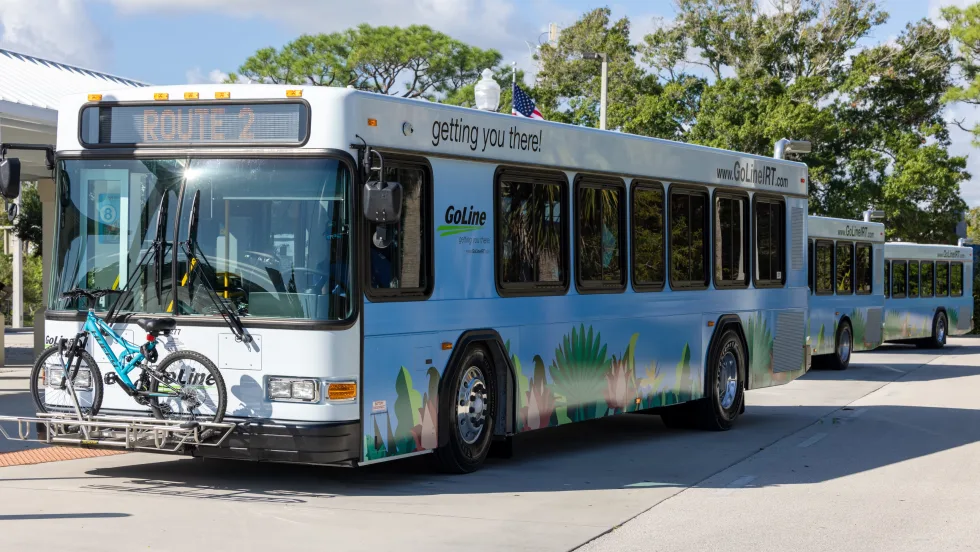
Indian River Transit’s Community-Focused Approach Earns National Recognition
Named APTA’s 2026 Outstanding Public Transportation System in its size category, Florida’s Indian River County transit system continues to grow ridership through fare-free service and a focus on evolving community needs.
Read More →
ENC Lands MATA Contract and More in Biz Briefs
In this edition of Biz Briefs, we spotlight the latest developments shaping the future of mobility.
Read More →
From Surviving to Thriving: Building Stronger Transportation Organizations
Bus Business Consultants founder Brian Dickson shares lessons on leadership, organizational health, and creating options for long-term success in a changing transportation industry.
Read More →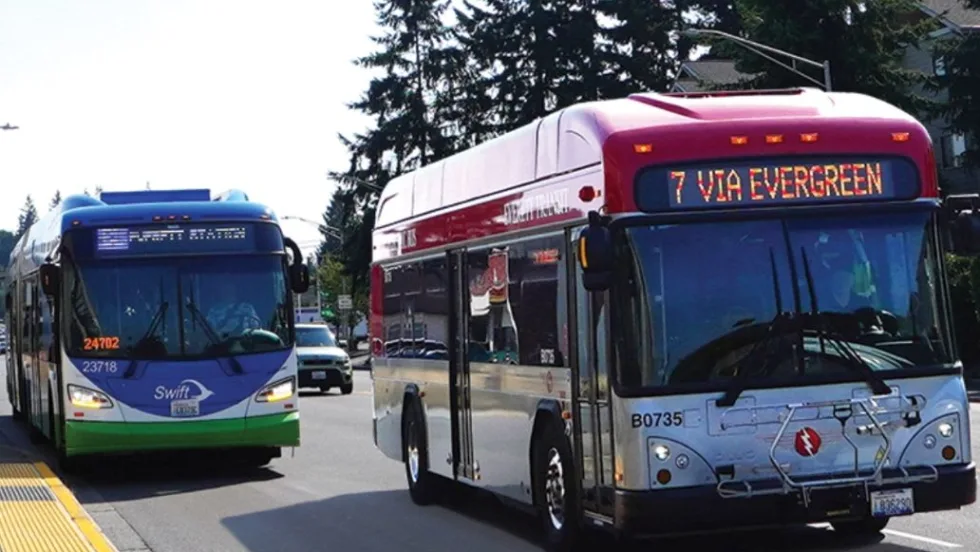
Everett Transit, Community Transit Outline Consolidation Agreement
The proposed agreement calls for a 50% increase in bus service in Everett, a new microtransit zone, continued paratransit service, and the transfer of Everett Transit operations to Community Transit.
Read More →
Strada360’s Steve Lassey on Turning Transit Data Into Better Decisions
From breaking down data silos to preparing for AI, Strada360 CEO Steve Lassey discusses how transit agencies can use technology to improve operations, customer information, and long-term decision-making.
Read More →