



Report: ARRA transit funds not being used effectively
A report found that only 0.9 percent of STP funds are being used on public transportation.
A large portion - 62.9 percent - of the $26.6 billion in American Reinvestment and Recovery Act (ARRA) flexible transportation funding through the Surface Transportation Program (STP) is being used on highway system preservation, while an additional 31.3 percent is being used for new highway capacity and only 0.9 percent for public transportation, according to a report released by Smart Growth America (SGA).
In summarizing the report - "The States and the Stimulus: Are they using it to create jobs and 21st century transportation?" - Smart Growth, a coalition of national, state and local organizations attempting to improve the ways towns, cities and metro areas are planned and built, feels that this portion of ARRA funds is not being used to create jobs as the program intends.
"We are very concerned because public transportation and repair projects produce many more jobs than a new capacity project," said Will Schroeer, state policy director for SmartGrowth America, about the states' focus on new highway capacity projects. "This is especially a problem, since our numbers show that repairs produce 16 percent more jobs per dollar and public transportation produces 31 percent more jobs per dollar than new highway construction."
On the plus side for public transportation, the report found that the small percentage of funds allocated for public transportation are going toward an eclectic batch of projects throughout the nation.
"The list of projects really demonstrates the breadth of both the need and kind of intelligent investments that states can make with this money," said Schroeer.
Meanwhile, a recent amendment to the Supplemental Appropriations Act of 2009, which provides funding for overseas military operations, makes it allowable for small public transportation agencies to use up to 10 percent of its ARRA funds for operations. Crystal Odum Ford, city transportation superintendent for California-based Vallejo Transit, said that this change will be beneficial for many.
"We're now able to use 10 percent for our operating budget, which will go toward the administrative costs of completing the ARRA projects that we are working on. So, absolutely, it helps," she said.
Despite this new option for states to take advantage of, Smart Growth's Schroeer feels that it will not have an immediate impact on the way dollars are being spent - at least the monies budgeted though the federal STP.
"On one hand a lot of the money has already been committed, which is a good thing, but it's going to be difficult to reprogram some of those funds. However, I know that in several jurisdictions, people are going to try to press for that just because the operational needs are so substantial," he said. "The argument is that it doesn't make a lot of sense to be buying capital facilities and then not being able to operate them."
More Bus

Finding the ‘Happy Medium’: Optimizing Maintenance Without Sacrificing Reliability
The key to maintenance optimization isn’t doing less work—it’s doing the right work at the right time on the right assets.
Read More →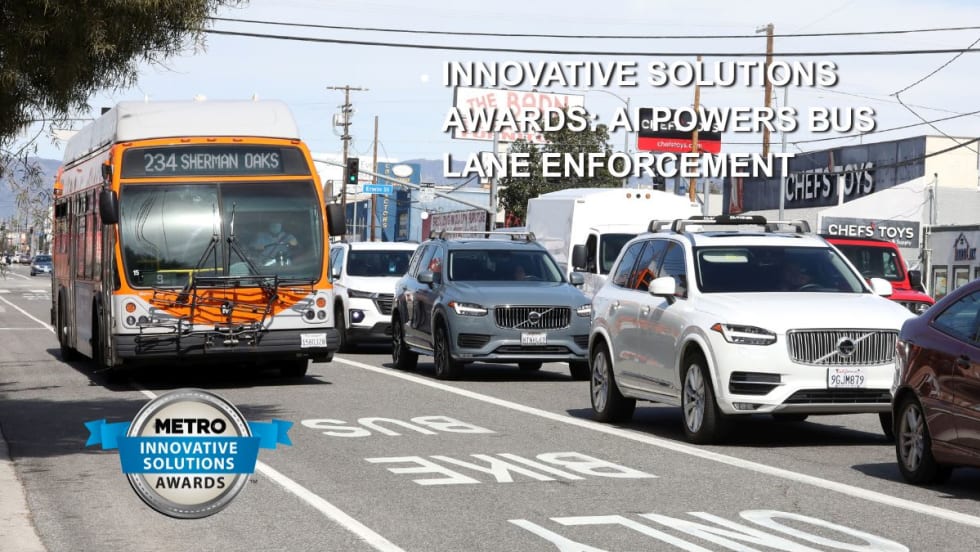
LA Metro, City of West Hollywood, and Partners Advance Smarter Bus Lane Enforcement
The award-winning partnership combines AI-powered detection with human oversight to improve bus reliability, accessibility, and enforcement efficiency.
Read More →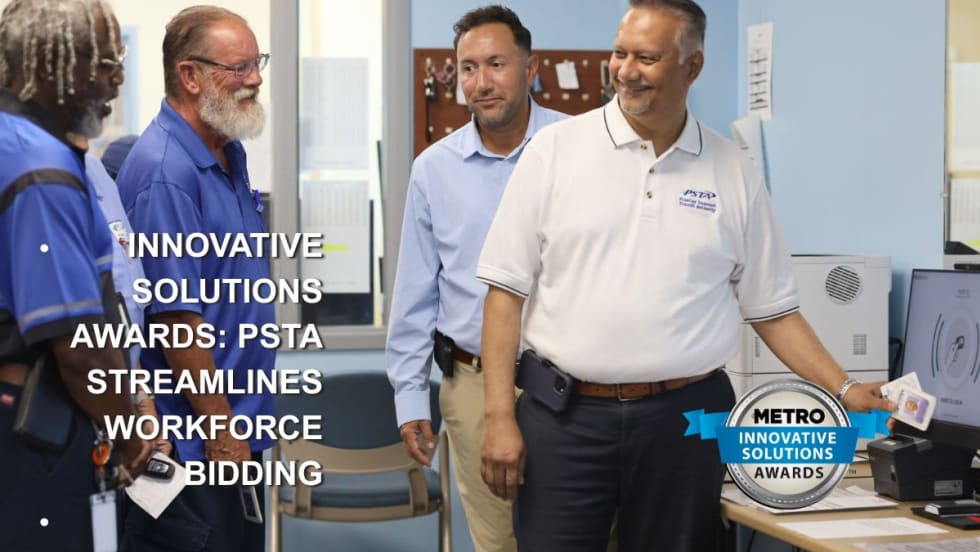
PSTA Modernizes Workforce Management with Digital Bidding System
The award-winning Workforce Transit Modernization project replaced paper bidding with a transparent digital platform, cutting administrative effort while improving access for operators.
Read More →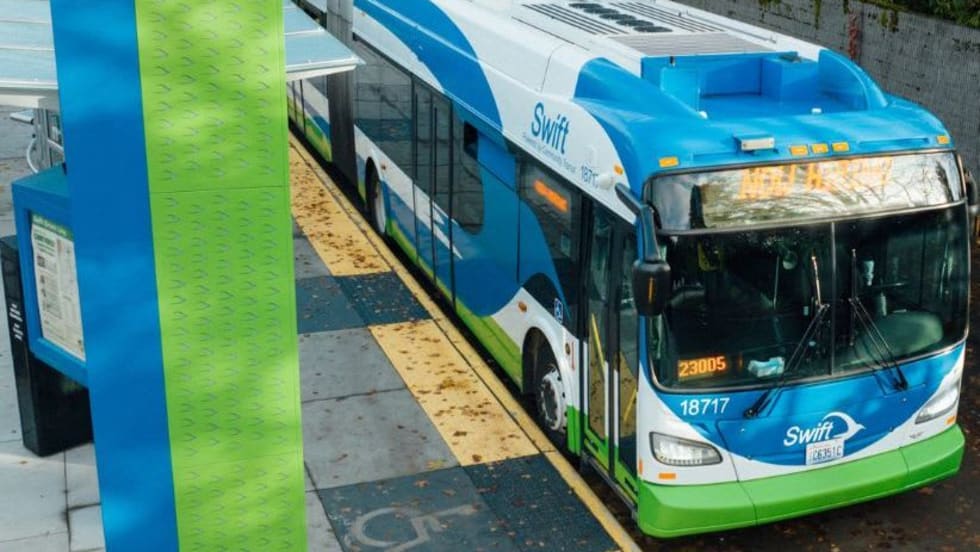
Washington's Community Transit Sets Six-Year Roadmap for Growth, Expansion
Approved TDP targets more bus service, new mobility options, Swift BRT expansion, and a potential Everett Transit annexation.
Read More →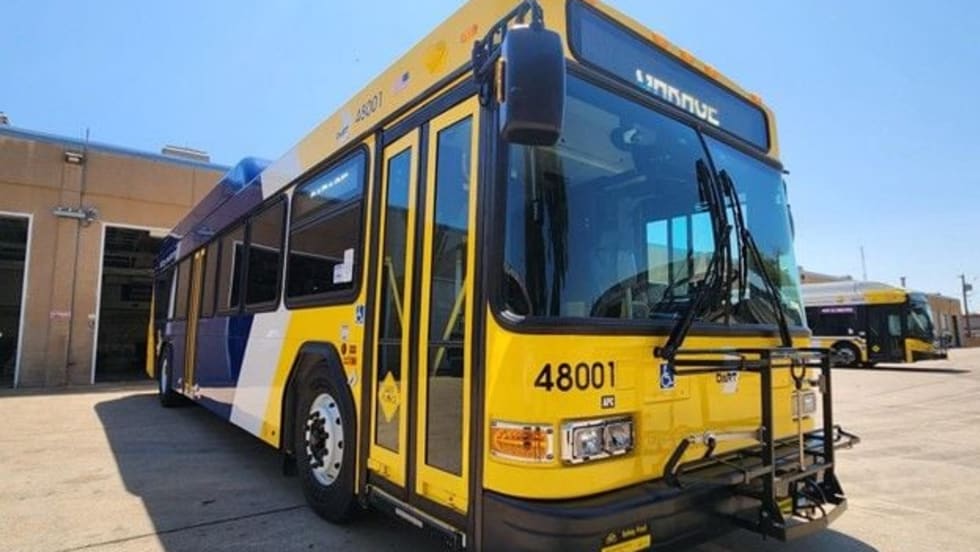
DART Customer Satisfaction Reaches Six-Year High
Overall satisfaction rose to 74.9%, while the agency’s Net Promoter Score reached a record 33.7.
Read More →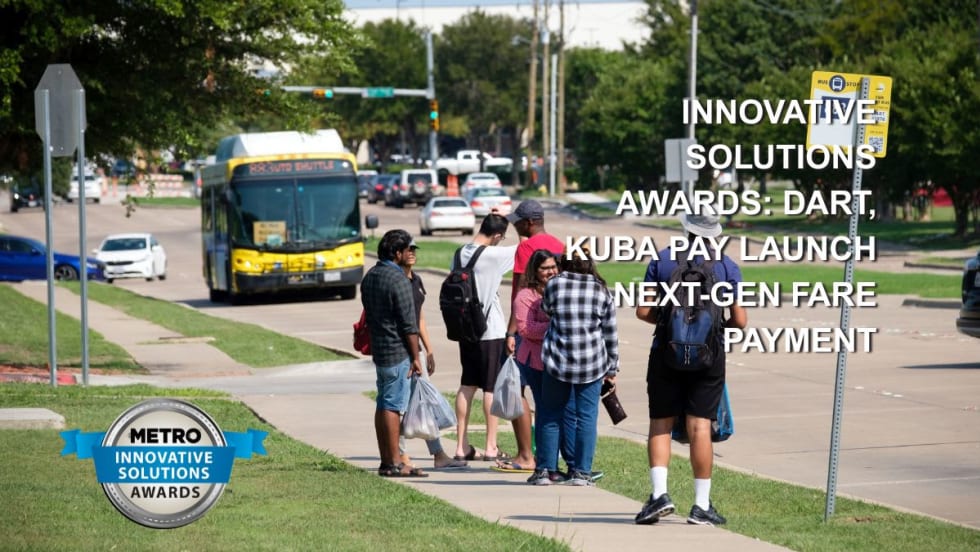
How DART's GoPass Is Redefining Regional Mobility
Serving 14 transit agencies, GoPass simplifies multimodal travel by allowing riders to plan, pay for, and manage an entire trip through one app.
Read More →
Biz Briefs: OCTA Taps Clean Energy for Hydrogen Station, Stadler to Supply Via Rail Vehicles, and More
From manufacturers and suppliers to transit agencies and motorcoach operators, these updates offer a snapshot of the projects, partnerships and business moves driving the industry forward.
Read More →
METRO Magazine Announces 2026 Innovative Solutions Awards Winners
Projects Recognized for Advancing Mobility Through Technology, Accessibility, Workforce Innovation, and Operational Excellence
Read More →
Biz Briefs: STV teams with Amtrak, Motorcoach Operators Boost Fleet and Land Contracts, and More
From manufacturers and suppliers to transit agencies and motorcoach operators, these updates offer a snapshot of the projects, partnerships and business moves driving the industry forward.
Read More →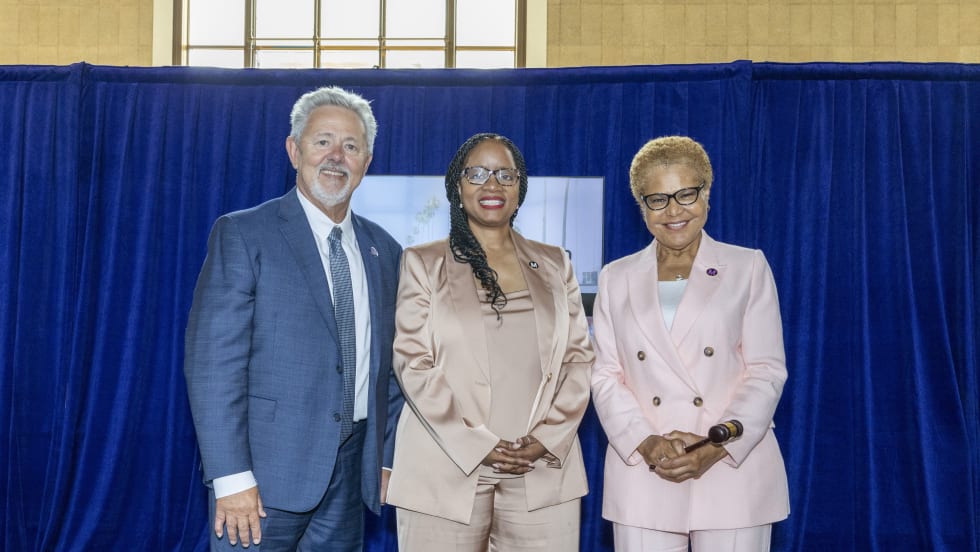
LA Metro Marks Banner Year, Sets Ambitious Goals for New Fiscal Year
Incoming LA Metro Board Chair and Los Angeles Mayor Karen Bass joined outgoing Board Chair Fernando Dutra and LA Metro CEO Stephanie Wiggins to review accomplishments from fiscal year 2026, which included the opening of new rail extensions, advancement of major transit projects, expanded safety programs, and new rider amenities.
Read More →