



Riding the Airwaves of Satellite Radio
XM and Sirius radio allow operators to change music without changing tapes.
Tired of buying cassette tapes that only one of your passenger groups wants to listen to? The latest in radio technology can help change that by providing a continuous stream of music from a variety of genres. Satellite radio, currently available from XM Radio and to be launched soon by Sirius Satellite Radio, is the latest technology to help motorcoach and transit operators cater to their markets. XM Radio offers 100 channels of music, news, talk, sports, comedy and children’s programming. More than 30 of the 71 music stations are commercial free, and the 29 remaining stations run only limited advertising. The system uses two satellites operating in geostationary orbit. Sirius Radio will use three orbiting satellites to provide more than 60 channels of completely commercial-free music and 40 other channels that include news and sports. The rollout of Sirius was delayed until early 2002. Both systems provide uninterrupted service throughout North America, meaning you can tune into a station in Providence and listen to it all the way to San Diego. That makes the service ideal for long-haul motorcoach operators. Several suppliers to the motorcoach and transit industries will be providing OEM and aftermarket installation of the satellite radio technology. Radio Engineering Industries (REI) is making both XM and Sirius strong parts of its marketing plan and sees a great opportunity in providing them to the transportation market. “The main benefit is the variety, selection and reception, no matter where you are in the United States,” says Michael Lekovich, vice president of purchasing at REI. “Any vehicle that travels over the road is a good [candidate].” Lekovich says REI will showcase the new technology at the United Motorcoach Association (UMA) Expo in January, complete with working displays, literature on the two services and representatives from both companies who will introduce and explain the technology. At last year’s UMA Expo, REI introduced satellite radio to the industry, and generated a lot of interest in it. “It can be used in the transit market, the school bus market and for motorcoach operators,” Lekovich says. While the technology is now ready, there is still some work to be done adapting it to the transportation markets, and details on pricing and hardware are currently being finalized. Audiovox Specialized Applications (ASA), whose system hooks to any existing radio, recently made XM Radio available to the bus industry. “The bus people have shown a big interest in it,” says ASA’s Monica Pletcher, who rolled out the product at two recent shows. Some motorcoach operators are looking to install satellite radio in as soon as three to six months. “It would allow for more control by the bus operator and eliminate the worry of offensive broadcasting sometimes found on traditional radio,” says Brian M. Babcock, a bus driver in Toledo, Ohio. Others don’t think they’d get much use from the service. “Our groups seem to like listening to their own CD’s or watching their own videos,” says Tracy Hagler, president of Admiral Charters/Southern Express Tours in Amarillo, Texas. The use of satellite radio at transit systems is also up in the air. “We’ve talked about it, but no decisions yet,” says Greg Cook, executive director of The Ride in Ann Arbor, Mich. “Because of voice announcements and promos, it is unlikely we’d look at such a service. But we never say never.”
More Management

Bus Tech Talk: Keeping Transit Technicians Ahead of the Technology Curve
In this episode of Bus Tech Talk, Complete Coach Works’ Business Development Manager Mark Hollenbeck and METRO’s Executive Editor Alex Roman sit down with Obed Mejia, Senior Technical Trainer for Bus Maintenance, at LA Metro to discuss how rapidly evolving bus technology is changing the maintenance shop — and the skills technicians need to keep pace.
Read More →
Michael Schneider Joins Paslay Group to Expand Transportation Practice
The longtime transportation executive will help Paslay Group grow its advisory and program management work across transit, highway, and other infrastructure sectors.
Read More →
People Movement: Connectpoint Expands Leadership Team, Stadler Names New Group CEO, and More
In this edition, we also spotlight recent personnel moves at Burns, UZURV, and more, highlighting the people taking on new roles across the transportation industry.
Read More →
More Than a Summer Job: Building the Next Generation of Transit Talent
The Delaware River Port Authority and PATCO have transformed their internship program into a hands-on professional development experience that introduces students to the breadth of transportation careers — and creates a pipeline for future employees.
Read More →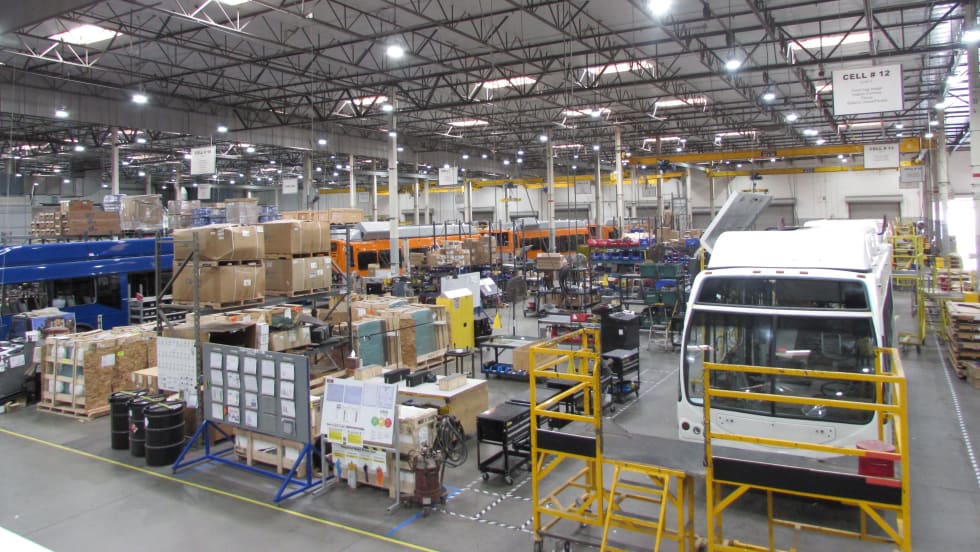
LA Metro Board Awards 220 Battery-Electric Bus Contract to ENC
The contract, which is the largest base award of battery-electric buses by a U.S. transit agency, will be built in Southern California, sustaining good jobs as LA prepares to welcome the world in 2028
Read More →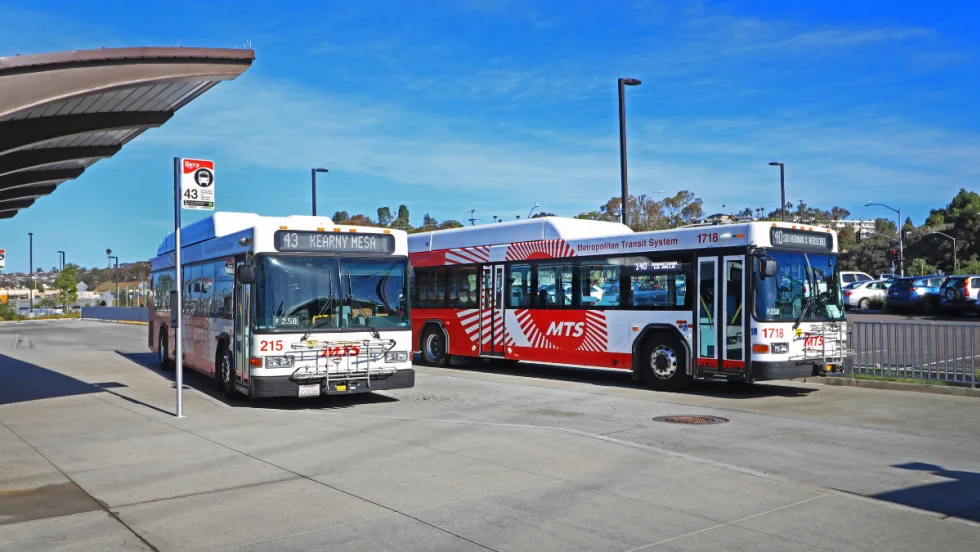
What’s Behind San Diego MTS’s Award-Winning Transit Strategy
Named one of APTA’s 2026 Outstanding Public Transportation Systems with 50 million or more annual passenger trips, California’s San Diego Metropolitan Transit System points to gains in ridership, safety, technology, and reliability as foundations of its success.
Read More →
Public Transit Conference Returning to GFX in 2027, Call for Papers Now Open
The Call for Papers is now open, allowing transit agency professionals and industry experts to help shape the PTC educational program by submitting session ideas for consideration.
Read More →
Indian River Transit’s Community-Focused Approach Earns National Recognition
Named APTA’s 2026 Outstanding Public Transportation System in its size category, Florida’s Indian River County transit system continues to grow ridership through fare-free service and a focus on evolving community needs.
Read More →
ENC Lands MATA Contract and More in Biz Briefs
In this edition of Biz Briefs, we spotlight the latest developments shaping the future of mobility.
Read More →From Surviving to Thriving: Building Stronger Transportation Organizations
Bus Business Consultants founder Brian Dickson shares lessons on leadership, organizational health, and creating options for long-term success in a changing transportation industry.
Read More →