



S.C. bus operation changes hands
The change in operations came as a natural result of Central Midlands being the last transportation system in the United States that was owned and operated by a private utility company.

Bus operations in Columbia, S.C., changed hands in October, when a local utility company tossed in the towel after nearly 70 years of providing transit service. The veteran’s job was assumed by the Central Midlands Regional Transit Authority (RTA). The change in operations came as a natural result of Central Midlands being the last transportation system in the United States that was owned and operated by a private utility company, according to Mitzy Teel, the RTA’s director of transportation and communications. The utility company, South Carolina Electric & Gas Co./SCANA, commenced bus service in 1934 after a Supreme Court order required it to provide transit service in the Columbia metro area to maintain its electric and gas franchise. The RTA was created specifically for the job. According to Teel, the development of RTA was facilitated by the local council of governments (COG). “For about a year, the COG’s RTA study group looked at the issue of how you go about forming the legal entity of a regional transit authority and what was necessary under the state code for membership representation,” Teel said. “In January 2002, the RTA was fully constituted with these terms. Every local government that joined ratified an agreement and became a member, and all of the boards of directors’ appointments were completed by January 2002.” In full, the RTA is made up of 15 local governments, two counties and 13 municipalities. “So, we’re kind of unique in that we’ve got a ton of local representation, which makes for a rather large board,” Teel said. Management operations will not change, according to Teel. Curtis L. Hamilton, the general manager for the Columbia system, ran the operations while under SCE&G/SCANA and will continue to do so as an employee of Connex TCT, the operating company contracted to provide service. “The private utility already had a contract operator in place … that will not change for the time being,” Teel said. “The RTA has entered into a contract with Connex for them to stay in place and continue to operate on our behalf.” So far, 43 new buses were put into service in the Columbia area, and additional routes were introduced December 1. “It’s a complete fleet replacement,” Teel said. New buses mean new features, so now drivers can take advantage of automated announcement systems, computerized fareboxes and wheelchair lifts. However, for passengers, new buses also mean an increase in fares. “Certainly one of the reasons for increasing the fare [was the bus replacements], but also the fact that we had one of the lowest fares in the Southeast,” Teel said. “It has been that way for quite some time, and just with inflation we know that we need more funds through the farebox. So we have a dollar-based fare now; we went up 25 cents.”
More Management
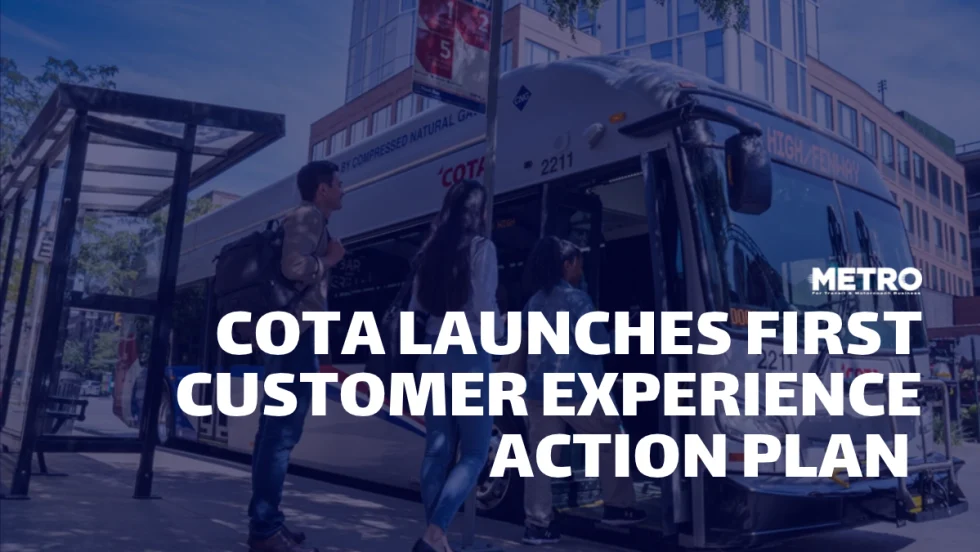
COTA Launches First Customer Experience Action Plan to Improve Transit Service
The new plan outlines improvements to service reliability, accessibility, communication, and the overall rider experience across Central Ohio's transit system.
Read More →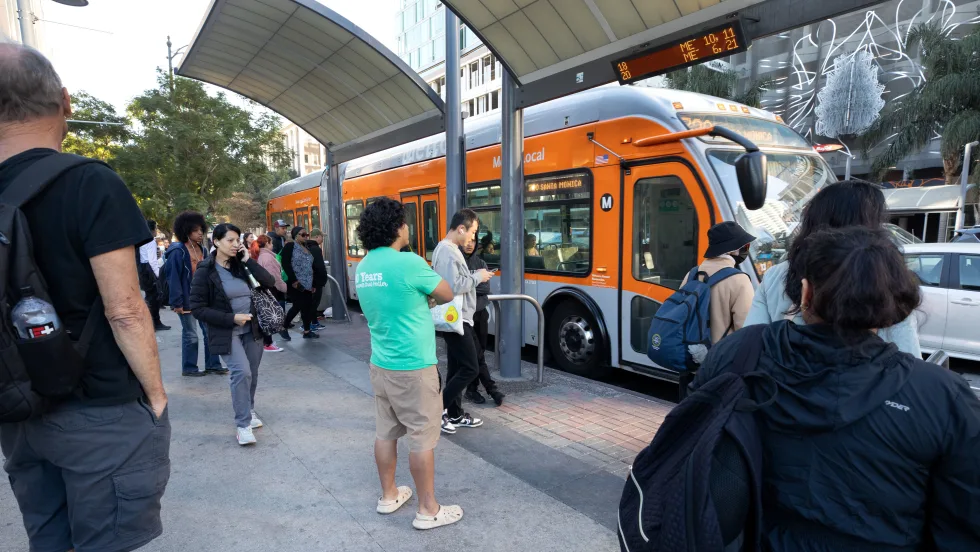
LA Metro September Ridership Climbs 3.9%, Led by Rail Growth
The agency recorded more than 27.2 million boardings, with rail ridership increasing 12.4% year over year and the D Line posting the largest gains.
Read More →
Utilimarc Launches SmartReplace to Optimize Fleet Replacement Decisions
AI-powered SmartReplace helps fleets prioritize vehicle replacements, model budget scenarios, and build more defensible long-term strategies.
Read More →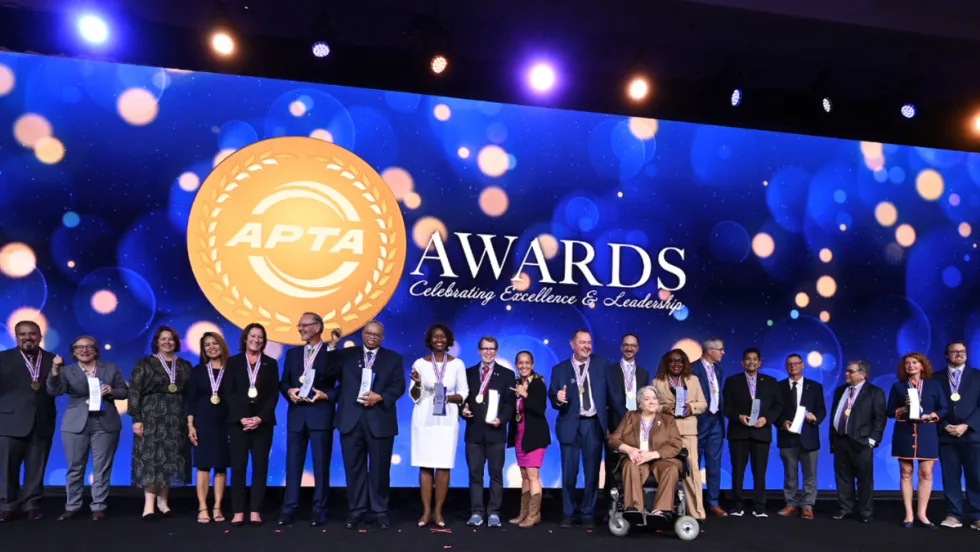
APTA Honors 2026 Award Winners, Hall of Fame Inductees at TRANSform & EXPO
Innovations in autonomous and zero-emission transportation, standout transit systems, and industry leadership took center stage among this year's honorees.
Read More →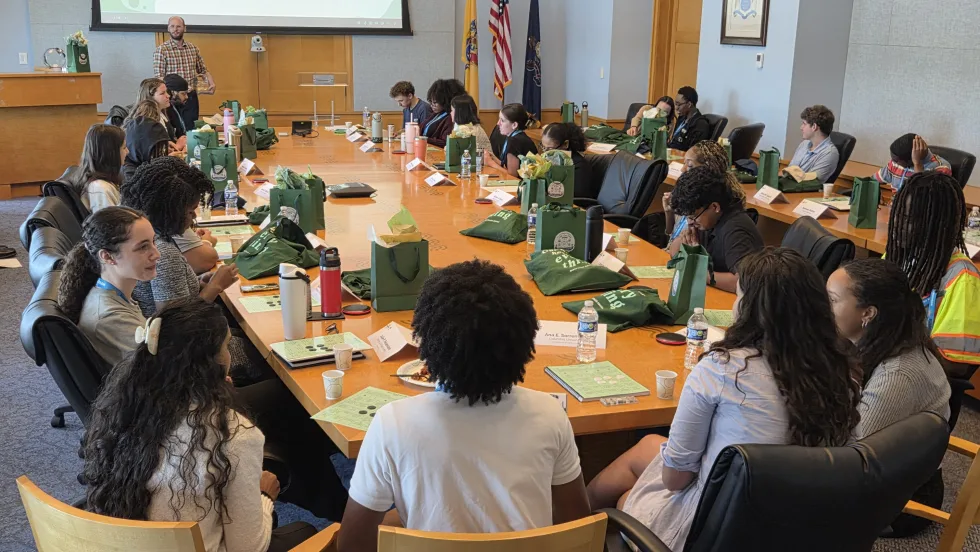
7 Ways to Build a Better Transit Internship Program
Lessons from DRPA/PATCO’s approach to creating a meaningful internship experience—and developing the next generation of transportation professionals.
Read More →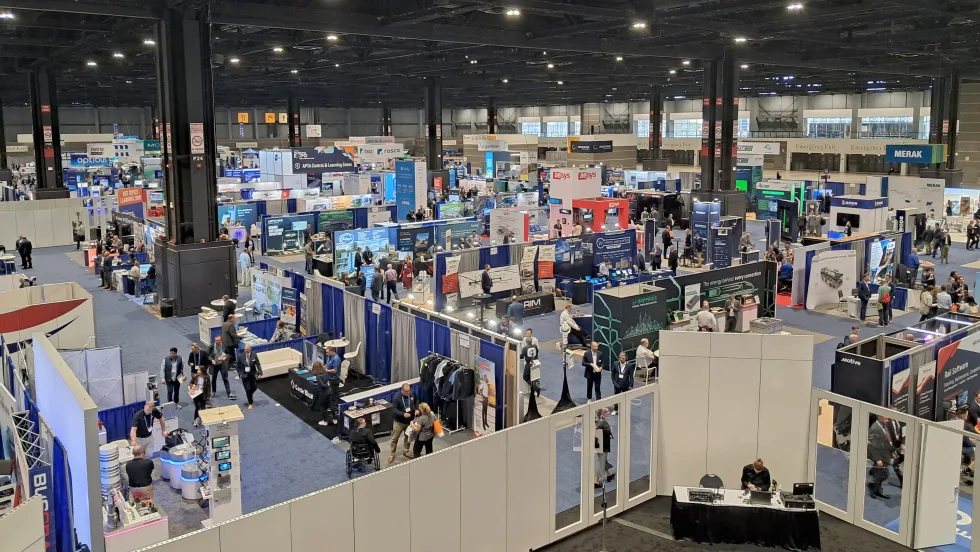
Scenes from APTA TRANSform & EXPO 2026
Transit leaders, manufacturers, and industry professionals gathered in Chicago to explore new technologies, share ideas, and discuss the future of public transportation.
Read More →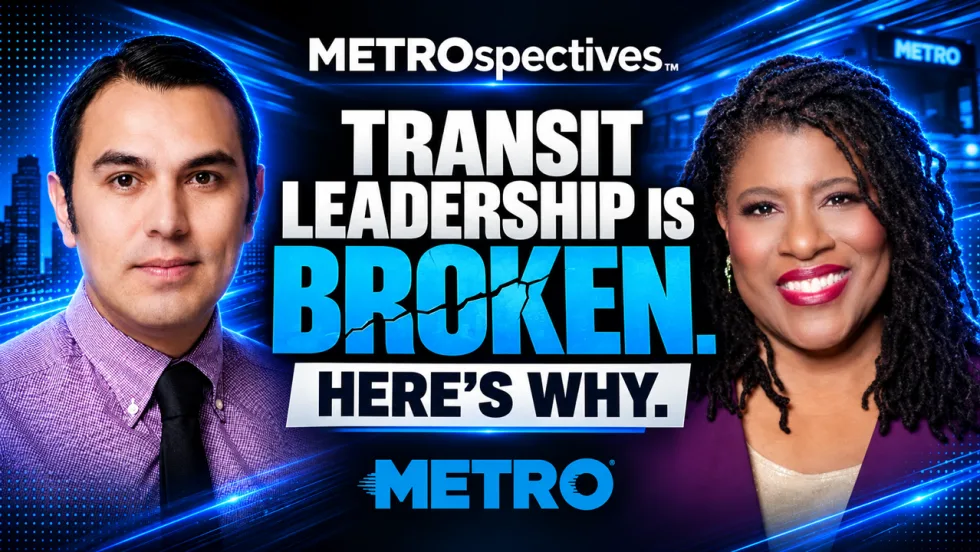
Building Stronger Leaders, More Resilient Transit Teams
Dr. Carol Parker Walsh discusses leadership development, employee retention, workplace culture, and preparing transit’s workforce for AI and automation.
Read More →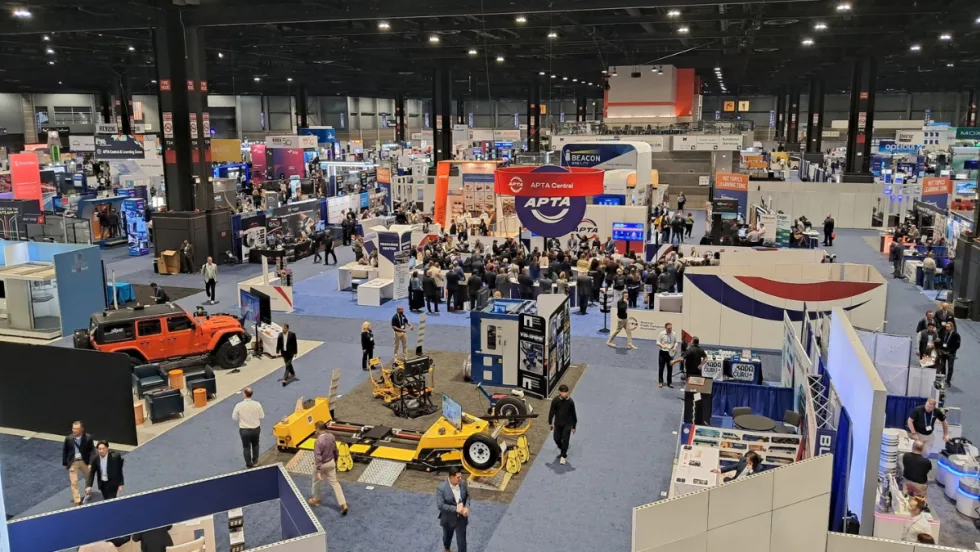
APTA 2026 TRANSform & EXPO Kicks Off in Chicago
After 45 years, APTA returns to Chicago with a focus on next-generation fleets, AI, connected transit networks, and the funding strategies shaping public transportation’s future.
Read More →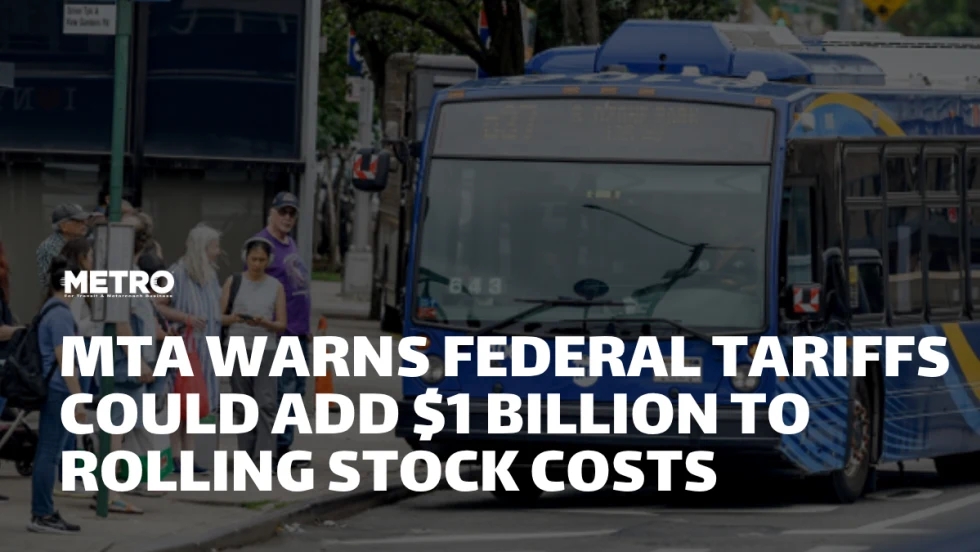
New York MTA Warns Federal Tariffs Could Add $1 Billion to Rolling Stock Costs
The agency said tariffs on specialized imported components could reduce the purchasing power of its $23 billion investment in new subway cars, railcars, and buses.
Read More →
From the Show Floor: What Happened at APTA TRANSform & EXPO 2026
See the latest product launches, partnerships, technology updates, and transit industry announcements from APTA TRANSform & EXPO in Chicago.
Read More →