



Setting a Green Standard for Rail Facilities
The design of NYCT's $165M rail maintenance shop and car wash facility incorporates pollution prevention initiatives, waste avoidance and materials recycling, and helps the agency achieve an energy savings of 36%.
The new “green” $165 million Corona maintenance shop and car wash facility in Queens, N.Y., is built according to guidelines that make it a sustainable design trendsetter in the transit industry. This 135,000-square-foot facility is used for the inspection, repair, cleaning and maintenance of approximately 400 railcars for the Metropolitan Transportation Authority/New York City Transit’s (NYCT) No. 7 subway line.
The origins behind the project’s environmental philosophy are based on Executive Order 111, issued by former New York Gov. George Pataki in June 2001. The order directs all state entities to make buildings more energy efficient and environmentally friendly, with at least a 20% improvement in efficiency under the state’s energy conservation construction code.
It also requires the agencies to follow the guidelines established by the New York green building tax credit law and the U.S. Green Building Council’s Leadership in Energy and Environmental Design (LEED) ratings system, which provides certification for sustainable design and construction.
The project, the first railcar maintenance shop in the U.S. expected to obtain LEED certification, was completed under a design-build contract. The project team included Parsons Brinckerhoff (PB), the prime engineering consultant; Slattery Skanska, the design-build contractor; and El Taller Colaborativo, architect.
A modern facility
To keep up with the busy No. 7 line schedule (with trains running just three minutes apart during rush hour) and allow for future expansion and additional railcars, NYCT needed to replace the outdated Corona maintenance facility, which was built in the 1920s. The new facility is designed to support car modification programs, scheduled-care inspections, four- and seven-year scheduled maintenance cycles, and car component replacements. It serves the current fleet and will support new rolling stock, enabling a fast return to service in the event of a breakdown.
The complex is adjacent to an existing NYCT bus depot across the street from Shea Stadium and next door to the grounds of the U.S. Tennis Association’s National Tennis Center in Flushing Meadows Corona Park.
The project was divided into two phases. The initial phase consisted of constructing four buildings: a 110,000-square-foot maintenance shop with a three-story administrative office center; a 3,000-square-foot car washer building with an accompanying service building and two washer sheds; a 2,106-square-foot, two-story signal building to house the signal equipment; and a 1,200-square-foot circuit breaker house that contains the direct current switchgear equipment for the tracks.
The second phase entailed moving NYCT into the new facility followed by the demolition of the original. The work required driving more than 1,450 18-inch Tapertube piles from 105 to 135 feet deep to support the building’s foundation. The piles were necessary because the project is located in a 100-year flood plain. As a result, the new maintenance shop and car washer facility was erected as an elevated slab structure 6 feet above ground.
A major project challenge was to keep the existing facility operational during construction. An elevated temporary car washer was built, moving the car wash operation out of the yard so the new car washer could be constructed without disruption to regular railcar washing operations.
Logistics posed a problem as well, with the footprint of the new building located in the backyard of the working facility. Access to the work area could only take place through the bus depot. As a result, the daily delivery and movement of personnel, equipment and materials, including delivery of 120-foot-long steel trusses, had to be carefully scheduled and coordinated.
Meeting a green mandate
Plans for the Corona shop addressed both the building’s construction process and lifetime performance. The team’s fundamental goal was to optimize system performance in terms of comfort for workers, functionality, energy efficiency, resource usage, economic return and lifecycle value, while enhancing human health and productivity. The project incorporated pollution prevention initiatives, waste avoidance, material recycling and responsible waste management.
Driven by the “green” mandate, PB’s engineering design achieved an energy savings of 36%. To accomplish this, numerous skylights were installed on the roof to allow natural light to illuminate the maintenance facility during the day. The walls use R-11 insulation and the roof has R-30 insulation. The extensive use of windows on the building’s perimeter increases the amount of natural light, with concrete cantilevers that provide shading to minimize excess heat gain.
Instead of air conditioning or fans, natural ventilation was utilized to provide sufficient cooling for the facility. Ventilation is provided by louvers on the bottom of the south side and the top of the north side of the building, which create an air circulation path that removes hot air.
One of the project’s more striking features is a photovoltaic system on the roof that is designed to generate 100 kilowatts of power and meet at least 5% of the facility’s energy needs. In addition, a fuel cell generates 200 kilowatts of power, which provides an additional 10%. These systems help to decrease the load on the local utility and contribute to a sustainable building. Energy savings achieved through the use of natural light, photovoltaics and the fuel cell are expected to total approximately $200,000 annually.
Sustainable design was also facilitated by a system that recycles rainwater from the roof and stores it in underground tanks. The stored rainwater is filtered and pumped into the car washing facility. Water that remains after subway cars are washed is treated and recycled for reuse as well. More than 50% of the water required annually comes from the recycled water and rainwater system.
Other measures taken to achieve LEED certification consisted of using building materials, paint and carpeting with low volatile organic compounds, which help alleviate the impact on air quality. Most of the construction materials came from within a 500-mile radius of the project to reduce pollution caused by long distance transportation of materials. Measures such as covering HVAC ducts and using specially designed air handlers limited dust stirred up on the site during construction.
Additional initiatives included the use of motion sensors to turn office lights on and off; site lighting fixtures that feature shading for better direction of light and a white ethylene propylene diene monomer (EPDM) roof that reflects light and reduces heat from the sun.
Saves time and money
While sustainable design was essential for the project, adhering to a tight 42-month design and construction schedule was just as critical.
To meet the project schedule, the design-build method of project delivery was chosen. This approach allowed design and construction to be overlapped and for work to be bid in packages. Separate bid packages were let for the pile foundation, structural steel erection and both the front and back yards.
Design-build also provided a single source of responsibility for design and construction. The end result was shaving a year off the construction schedule and an estimated savings of $25 million.
More Management

ENC Lands MATA Contract and More in Biz Briefs
In this edition of Biz Briefs, we spotlight the latest developments shaping the future of mobility.
Read More →
From Surviving to Thriving: Building Stronger Transportation Organizations
Bus Business Consultants founder Brian Dickson shares lessons on leadership, organizational health, and creating options for long-term success in a changing transportation industry.
Read More →
Everett Transit, Community Transit Outline Consolidation Agreement
The proposed agreement calls for a 50% increase in bus service in Everett, a new microtransit zone, continued paratransit service, and the transfer of Everett Transit operations to Community Transit.
Read More →

Strada360’s Steve Lassey on Turning Transit Data Into Better Decisions
From breaking down data silos to preparing for AI, Strada360 CEO Steve Lassey discusses how transit agencies can use technology to improve operations, customer information, and long-term decision-making.
Read More →
People Movement: Phil Washington Joins HNTB, Denver RTD Launches CEO Search, and More
In this edition, we also spotlight recent personnel moves at STV, the Eno Center for Transportation, and more, highlighting the people taking on new roles across the transportation industry.
Read More →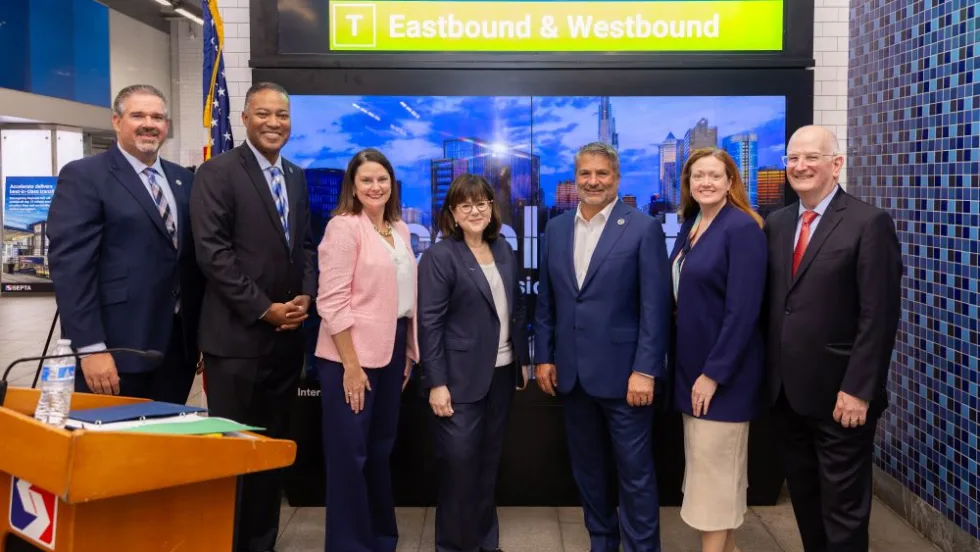
SEPTA Details Accelerate Vision for Transit System
The plan outlines investments in trolley modernization, new Metro and Regional Rail vehicles, accessible stations, and more frequent bus and rail service.
Read More →
FTA Ends Direct Oversight of MBTA Safety Actions
The federal agency closed its remaining special directive to the Massachusetts Department of Public Utilities following a safety review that began in 2022.
Read More →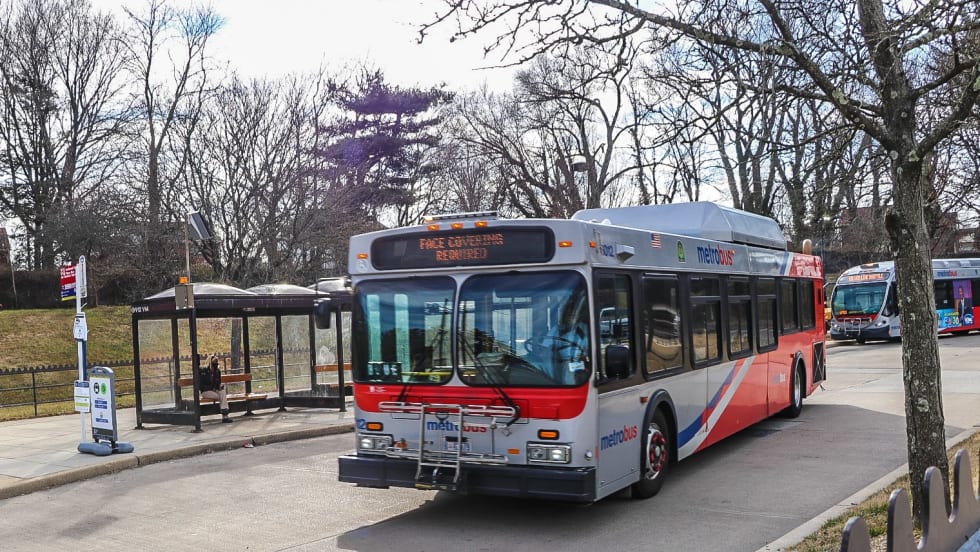
Report: Transit Bus Manufacturing Supports 34,100 Jobs, $5.1B in GDP
The “Buses Mean Business” report examines the transit bus manufacturing industry’s economic footprint, supply chain, and rising demand for vehicle replacements.
Read More →
LIT Marks 10-Year Milestone at Annual Summit
Hosted by the COTA from September 10 to 13, the Summit carried the theme “Celebrating 10 Years of Excellence, Leadership, and Impact,” with every part of the program honoring the people, agencies, and partners who built LIT over its first decade.
Read More →
People Movement: Dan Dipert Coaches Adds Third-Generation Leader, Keolis Names New Valley Metro VP/GM, and More
In this edition, we also cover recent appointments and announcements at the Wabtec, SilverRide, HNTB, and more, showcasing the individuals helping to shape the future of transportation.
Read More →