



'Shrinkage' requires scrutiny in these austere times
In the retail world it's called "shrinkage." In the transit industry, it's called "fare evasion."
In the retail world it's called "shrinkage." In the transit industry, it's called "fare evasion." Regardless of how you want to label it, it's an unavoidable consequence of running a business. That doesn't mean, however, that it should be shrugged off. Even if it accounts for only a small percentage of loss each month, fare evasion needs to be aggressively countered. After all, it's unfair to the paying customers if transit agencies overlook the criminal acts of the non-paying crowd. The honest folk will feel cheated (and some will eventually turn into dishonest folk). More importantly, the lost revenue is even more critical these days as budgets are pinched by shortfalls in tax revenue. Although no national statistics are available, it's probably a fair guess that fare evasion on bus and rail lines accounts for up to 5 percentage points of lost revenue. If transit agencies could prevent half of this shrinkage, that would translate into hundreds of millions of dollars of extra revenue nationwide. There are no free rides Of course, it would require an investment of time and money to reduce the incidence of fare evasion, offsetting some of the potential revenue gains. Although not purchased chiefly for this purpose, high-tech fare collection systems are making it tougher for criminals to defraud transit agencies. There are also relatively inexpensive methods of curtailing illegal free rides. As Assistant Editor Janna Starcic mentions in her article "Are Passengers Taking You for a Ride?," training bus operators to identify bogus ticket media and passes is important, as is emphasizing to them the seriousness of this crime. Rail operators, especially those with honor-system policies, can launch campaigns to aggressively pursue fare evaders and to remind patrons of the often-steep fines for fare evasion. There are other ways of bringing down the rate of fare evasion. The Los Angeles County Metropolitan Transportation Authority (MTA), which reports a 5% evasion rate on its rail lines, is considering a plan to end the 9-year-old honor system by installing turnstiles on its Red Line subway system and hiring 130 civilians to help manage the ticketing. In the past 12 months, there were 37 million boardings on the Red Line. A 5% evasion rate is equivalent to 1.85 million free rides. Not only would the addition of turnstiles make it more difficult for fare beaters to get a free ride, it would enable police officers who currently check riders for tickets to fight crime in other areas. On the down side, of course, would be the reduction of police presence on the subway system. Security has high priority Although MTA officials maintain that security on the Red Line would not be compromised under the plan, it cannot be denied that there would be fewer armed, uniformed officers patrolling the system. Patrons who feel less safe because of this change might be less inclined to ride the subway, especially if crime rates increase. Thus the potential revenue gains from installing turnstiles might be offset by lower ridership. So where does that leave us? Transportation security is a salient issue, especially since the events of Sept. 11. The recent assault at the El Al terminal at Los Angeles International Airport points to the importance of having immediate security response to possible terrorist acts. Having a strong police presence on rail lines is comforting to the operators and to the public. Transit properties need to minimize their losses in revenue due to fare cheaters, but not at the expense of overall security. Having police officers checking tickets on the L.A. subway may not be the most efficient manner of ensuring payment, but it serves another purpose -- reducing the threat of terrorism and improving response should an attack occur.
More Management
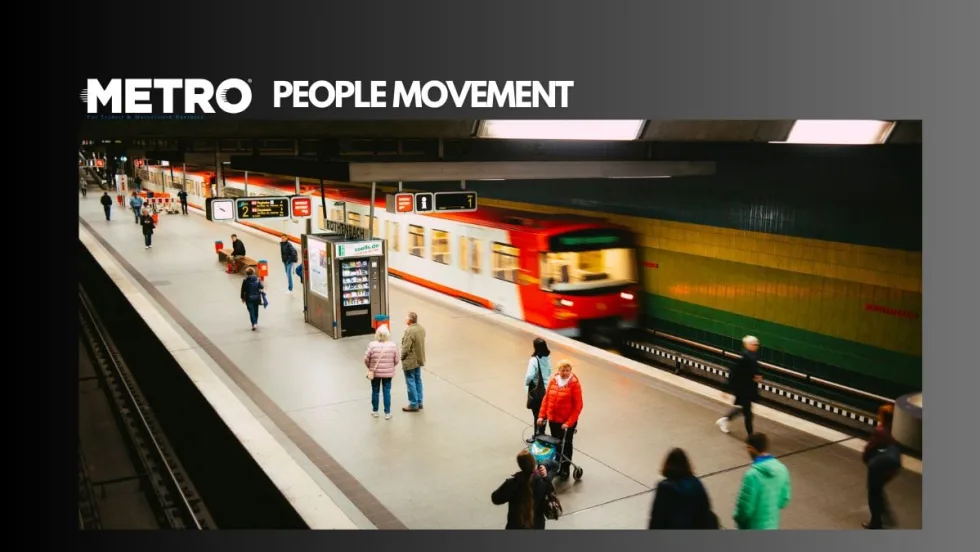
People Movement: Connectpoint Expands Leadership Team, Stadler Names New Group CEO, and More
In this edition, we also spotlight recent personnel moves at Burns, UZURV, and more, highlighting the people taking on new roles across the transportation industry.
Read More →
More Than a Summer Job: Building the Next Generation of Transit Talent
The Delaware River Port Authority and PATCO have transformed their internship program into a hands-on professional development experience that introduces students to the breadth of transportation careers — and creates a pipeline for future employees.
Read More →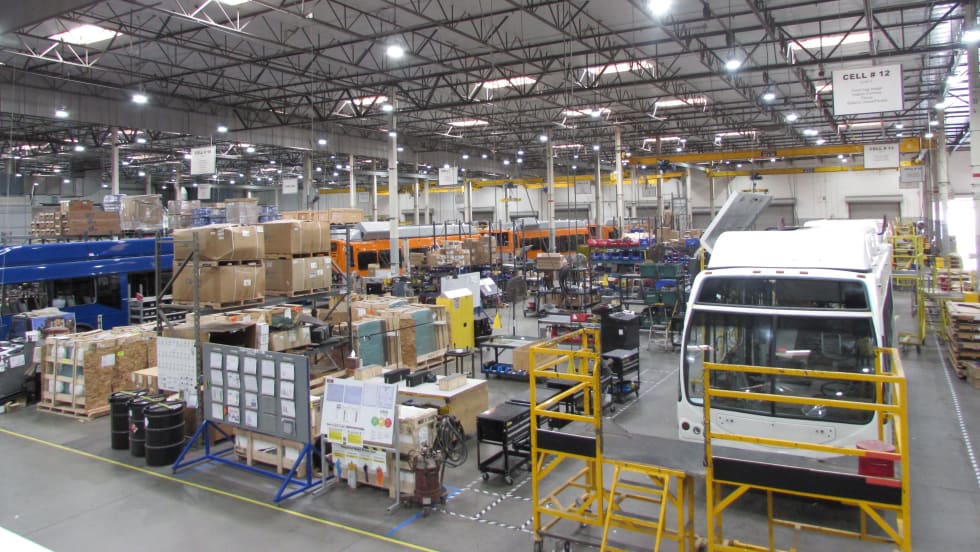
LA Metro Board Awards 220 Battery-Electric Bus Contract to ENC
The contract, which is the largest base award of battery-electric buses by a U.S. transit agency, will be built in Southern California, sustaining good jobs as LA prepares to welcome the world in 2028
Read More →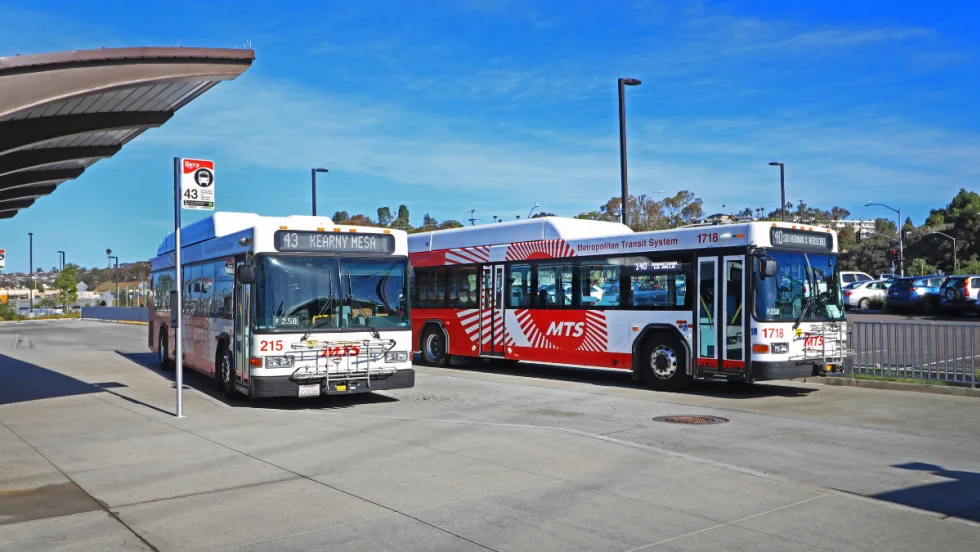
What’s Behind San Diego MTS’s Award-Winning Transit Strategy
Named one of APTA’s 2026 Outstanding Public Transportation Systems with 50 million or more annual passenger trips, California’s San Diego Metropolitan Transit System points to gains in ridership, safety, technology, and reliability as foundations of its success.
Read More →
Public Transit Conference Returning to GFX in 2027, Call for Papers Now Open
The Call for Papers is now open, allowing transit agency professionals and industry experts to help shape the PTC educational program by submitting session ideas for consideration.
Read More →
Indian River Transit’s Community-Focused Approach Earns National Recognition
Named APTA’s 2026 Outstanding Public Transportation System in its size category, Florida’s Indian River County transit system continues to grow ridership through fare-free service and a focus on evolving community needs.
Read More →
ENC Lands MATA Contract and More in Biz Briefs
In this edition of Biz Briefs, we spotlight the latest developments shaping the future of mobility.
Read More →
From Surviving to Thriving: Building Stronger Transportation Organizations
Bus Business Consultants founder Brian Dickson shares lessons on leadership, organizational health, and creating options for long-term success in a changing transportation industry.
Read More →
Everett Transit, Community Transit Outline Consolidation Agreement
The proposed agreement calls for a 50% increase in bus service in Everett, a new microtransit zone, continued paratransit service, and the transfer of Everett Transit operations to Community Transit.
Read More →
Strada360’s Steve Lassey on Turning Transit Data Into Better Decisions
From breaking down data silos to preparing for AI, Strada360 CEO Steve Lassey discusses how transit agencies can use technology to improve operations, customer information, and long-term decision-making.
Read More →