



Supporting ‘Buy America’ should be easy
Yes, Buy America regulations are restrictive. But, more importantly, they’re reasonable.
Do you own an American car or an import? Whatever you drive, you probably made your purchasing decision on several factors: affordability, style, image, word of mouth and personal taste. There’s no need to feel guilty if you drive a car built overseas, because you’re spending your own money. Whether you’re an American driving a German car or a Frenchman driving a Swedish car, you have the right to buy the car that fits your needs. Why shouldn’t the same be true for transit buses and railcars? Shouldn’t you be allowed to buy, for example, the 40-foot low-floor bus that best meets your operational needs, whether it’s manufactured domestically or imported? Yes, you should, as long as you’re spending your own money. If you’re spending federal tax dollars, well, that’s a different story, because now you’re spending money tapped from U.S. citizens. It’s only natural that the federal government would require that those tax dollars be invested back into the U.S. economy. A tough, but fair law That’s why the Buy America law is a good law. Under Buy America, which has been on the books for more than two decades, transit properties must certify that rolling stock purchased with federal funds is assembled here in the United States and has a domestic component and subcomponent content of more than 60% (based on cost). In a June 10 Dear Colleague letter, the Federal Transit Administration (FTA) reaffirmed its commitment to the tenets of the Buy America program: “FTA vigorously enforces this regulation and strives to ensure that our grantees have the best vehicles to carry the riding public,” FTA Administrator Jenna Dorn wrote in the letter. Yes, Buy America regulations are restrictive. But, more importantly, they’re reasonable, especially when combined with the judicious use of non-availability, price-differential or public interest waivers. In a meeting last month, Jenna told me that one of her goals is to make sure that the manufacturer community understands the reasoning behind each decision on a waiver request. “We’ll do everything we can to provide an open environment in which the decisions can be seen to be rational and appropriate to each case,” she said. Other relevant factors You must also remember that domestic manufacturers — as well as foreign companies that have invested millions of dollars in locating manufacturing facilities here in the U.S. — face many home-grown challenges, including costly government-mandated health, safety and employment regulations. In addition, the U.S. government does little to bolster the financial health of its rolling stock manufacturers compared to countries such as Canada, which is not reluctant to supply huge loans and other subsidies to ailing manufacturers. What most U.S. suppliers will tell you is that they’re only asking for a “level playing field” against foreign competitors, that they be given the same ability to compete in markets outside the United States. Unless they commit to investing in factories and related infrastructure in those countries, they’re effectively locked out of those markets. In the long run, what’s best for the riding public are high quality, efficient and safe buses and railcars that are supported by the manufacturer for the long term. In most cases, U.S. manufacturers can produce these vehicles and transit authorities can purchase them accordingly. In the other cases, the FTA has the prerogative to grant waivers, although these should be parceled out only when reasonable alternatives do not exist. Like all good laws, Buy America fills a need but offers enough flexibility to ensure that diverse interests can be balanced.
More Management
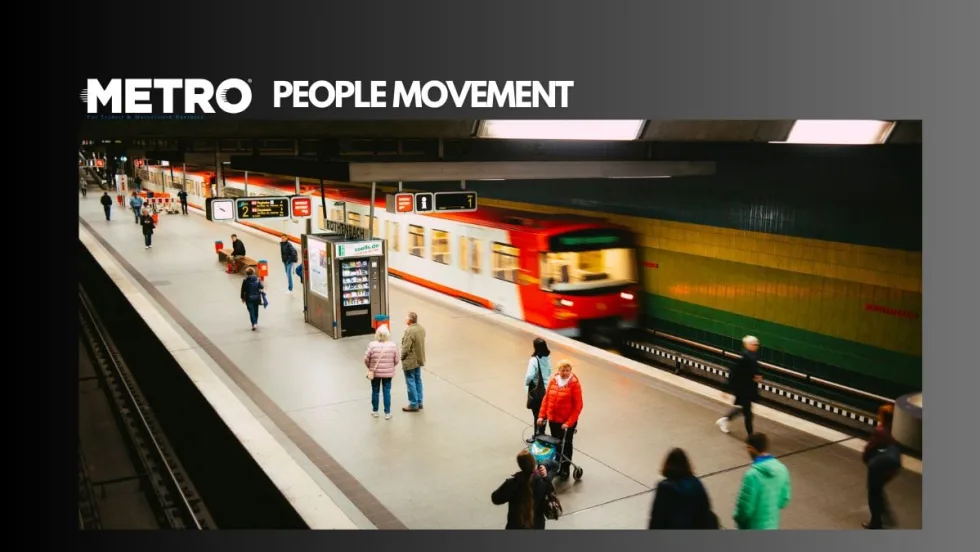
People Movement: Connectpoint Expands Leadership Team, Stadler Names New Group CEO, and More
In this edition, we also spotlight recent personnel moves at Burns, UZURV, and more, highlighting the people taking on new roles across the transportation industry.
Read More →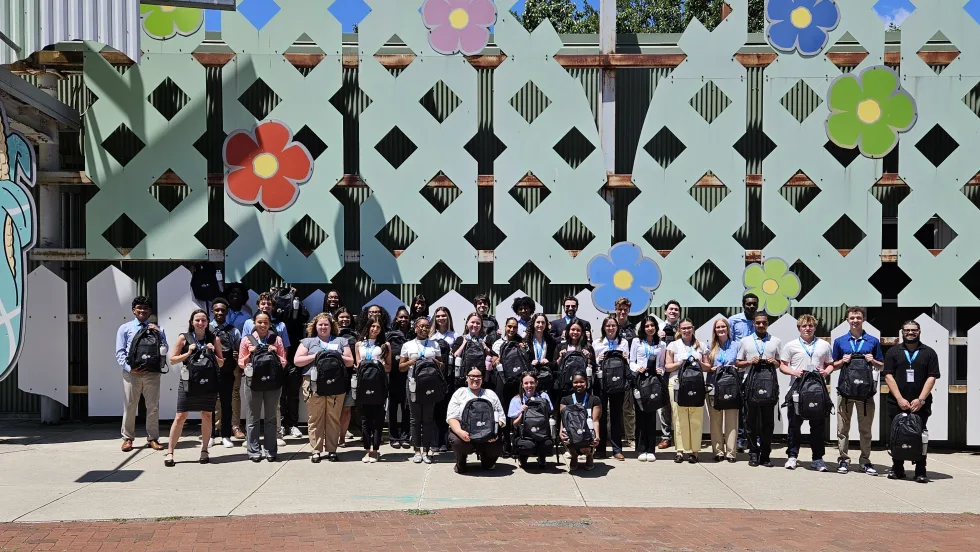
More Than a Summer Job: Building the Next Generation of Transit Talent
The Delaware River Port Authority and PATCO have transformed their internship program into a hands-on professional development experience that introduces students to the breadth of transportation careers — and creates a pipeline for future employees.
Read More →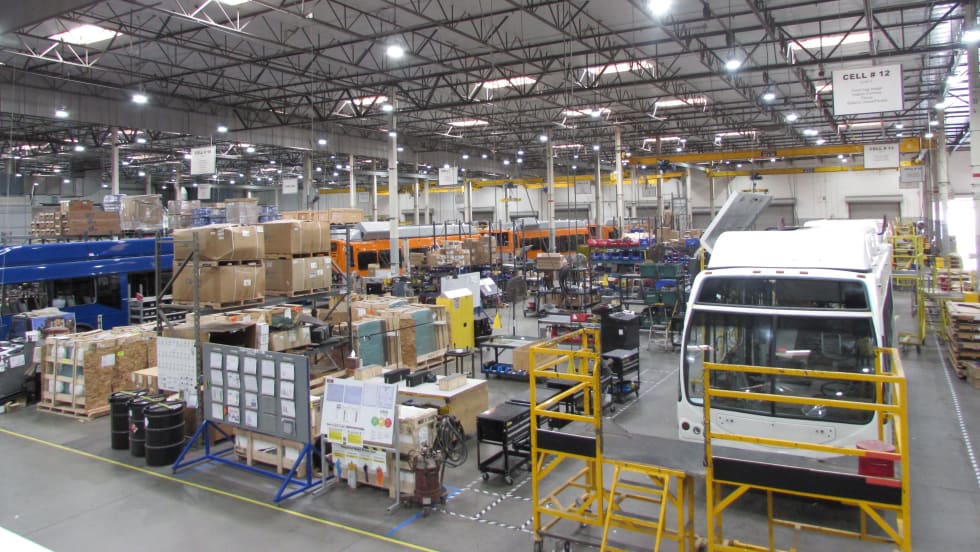
LA Metro Board Awards 220 Battery-Electric Bus Contract to ENC
The contract, which is the largest base award of battery-electric buses by a U.S. transit agency, will be built in Southern California, sustaining good jobs as LA prepares to welcome the world in 2028
Read More →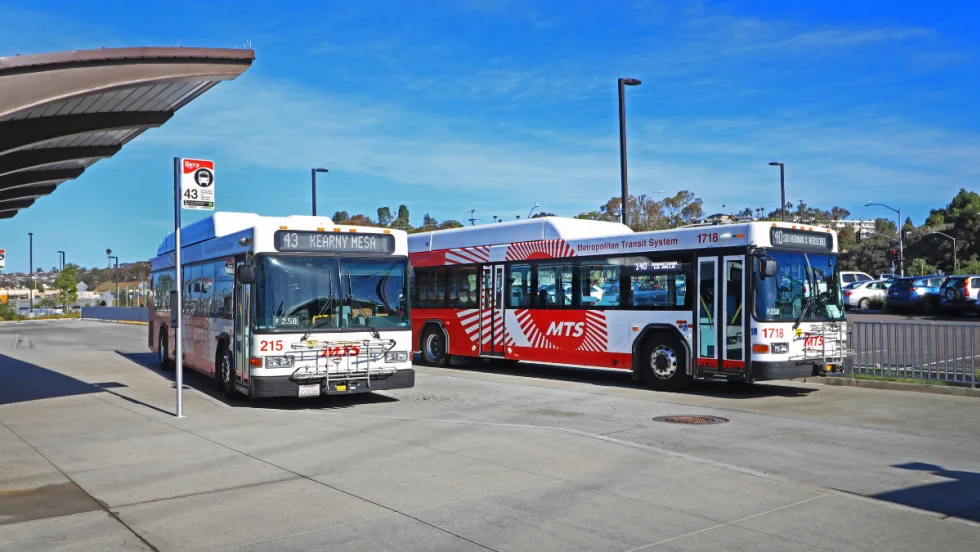
What’s Behind San Diego MTS’s Award-Winning Transit Strategy
Named one of APTA’s 2026 Outstanding Public Transportation Systems with 50 million or more annual passenger trips, California’s San Diego Metropolitan Transit System points to gains in ridership, safety, technology, and reliability as foundations of its success.
Read More →
Public Transit Conference Returning to GFX in 2027, Call for Papers Now Open
The Call for Papers is now open, allowing transit agency professionals and industry experts to help shape the PTC educational program by submitting session ideas for consideration.
Read More →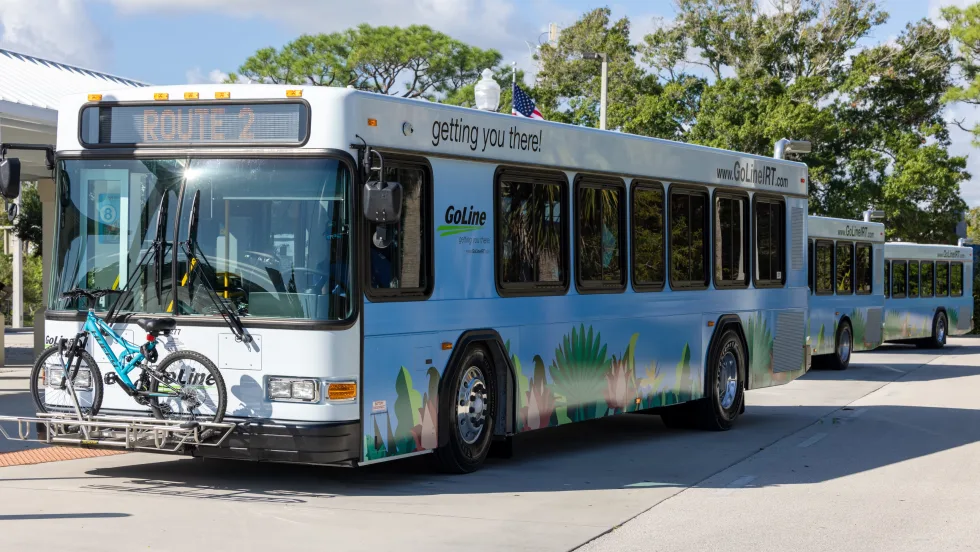
Indian River Transit’s Community-Focused Approach Earns National Recognition
Named APTA’s 2026 Outstanding Public Transportation System in its size category, Florida’s Indian River County transit system continues to grow ridership through fare-free service and a focus on evolving community needs.
Read More →
ENC Lands MATA Contract and More in Biz Briefs
In this edition of Biz Briefs, we spotlight the latest developments shaping the future of mobility.
Read More →
From Surviving to Thriving: Building Stronger Transportation Organizations
Bus Business Consultants founder Brian Dickson shares lessons on leadership, organizational health, and creating options for long-term success in a changing transportation industry.
Read More →
Everett Transit, Community Transit Outline Consolidation Agreement
The proposed agreement calls for a 50% increase in bus service in Everett, a new microtransit zone, continued paratransit service, and the transfer of Everett Transit operations to Community Transit.
Read More →
Strada360’s Steve Lassey on Turning Transit Data Into Better Decisions
From breaking down data silos to preparing for AI, Strada360 CEO Steve Lassey discusses how transit agencies can use technology to improve operations, customer information, and long-term decision-making.
Read More →