



Tapping the potential of BRT
Rapidly growing transit mode deserves close attention.

It wasn’t that long ago that former Federal Transit Administration (FTA) Administrator Gordon Linton led a contingent of transit officials to Curitiba, Brazil, to study its highly successful bus rapid transit (BRT) system. Since then, U.S. transit agencies have shown increasing interest in BRT. In fact, many systems, including those in Los Angeles, Miami and Pittsburgh, have had encouraging results with their BRT programs.
In a surprisingly short time, bus rapid transit has established itself as one of the fastest-growing modes in the transit industry. And its momentum is only building. Dozens of U.S. transit agencies are planning BRT systems, and many others are moving in that direction.
It’s easy to see why interest is high. BRT can be a powerful means to move large numbers of people quickly and efficiently, helping to relieve congestion and improve the quality of life in metropolitan areas. It’s also versatile, allowing transit planners to adapt its use to the unique needs of their communities. Most importantly, it has the potential to attract new riders to systems across the country.
And it’s supported by the U.S. Department of Transportation and the FTA. Transportation Secretary Norman Mineta recently announced $25 million in FY 2004 New Starts funding for the Euclid Corridor BRT project in Cleveland.
This 9.4-mile, 35-station project is expected to cost $168.4 million. It will feature exclusive bus lanes within the central business district. Average daily ridership for the corridor in 2025 is forecast at 39,000. In addition to attracting riders, it’s expected to revitalize the business area along the corridor. It’s a great example of a busway that has the potential of light rail-like transit-oriented development.
Jenna Dorn, FTA administrator, has been a strong proponent of BRT, praising its potential to increase ridership. In her Jan. 28 announcement of New Starts funding for FY 2005, Dorn emphasized the importance of cost effectiveness in evaluating New Starts projects. Although the cost of BRT projects can vary considerably, the mode has developed a reputation for being cost effective Ñ that is, creating benefits that are in line with costs.
BRT survey launched
Because of its success and its potential, we’ve decided to start tracking BRT projects and have launched a new feature called “BRT 25.” Managing Editor Joey Campbell compiled this year’s listing. Because BRT is still relatively new to the U.S. market, Joey’s listing is by no means comprehensive. New plans for BRT projects seemingly crop up every week, making it next to impossible to track every commitment made to this increasingly popular travel mode.
But we will do our best to stay attuned to developments in BRT, on the operations side as well as on the manufacturing end. I mention the manufacturers because bus builders are designing vehicles for the BRT sector, and some are still struggling to find the right formula for success.
To ease the transition from designing and building a traditional transit bus to a BRT vehicle, the industry is trying to determine what actually constitutes BRT service, and what works. To that end, the FTA has been meeting with bus manufacturers, consultants and transit agency representatives to determine the hallmarks of BRT and to develop decision tools for cities to evaluate what investments are most appropriate for each project. This is a critical step because it could also determine the direction BRT as a mode will head into the future, including which projects are eligible for New Starts funding. And we all know how important prudent federal funding is to the success of any mode, including BRT.
More Management
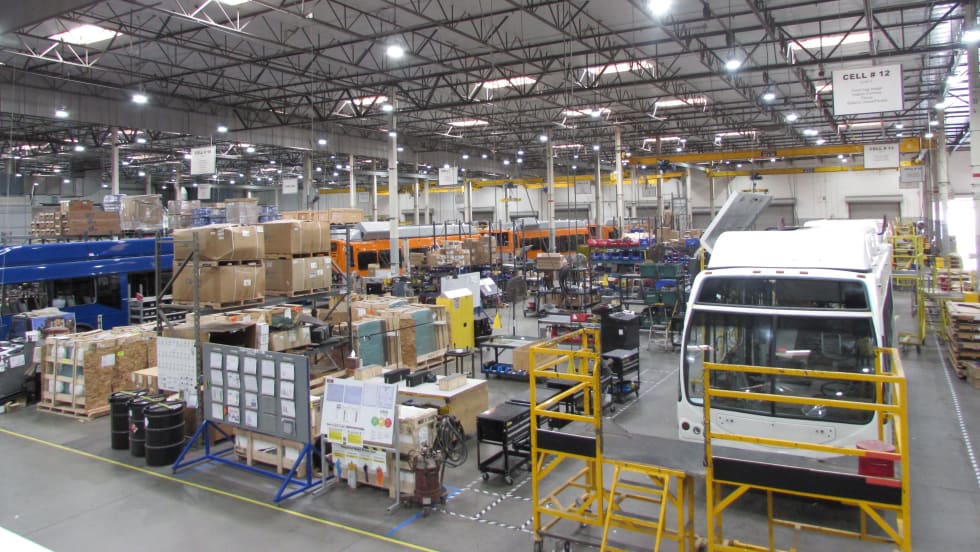
LA Metro Board Awards 220 Battery-Electric Bus Contract to ENC
The contract, which is the largest base award of battery-electric buses by a U.S. transit agency, will be built in Southern California, sustaining good jobs as LA prepares to welcome the world in 2028
Read More →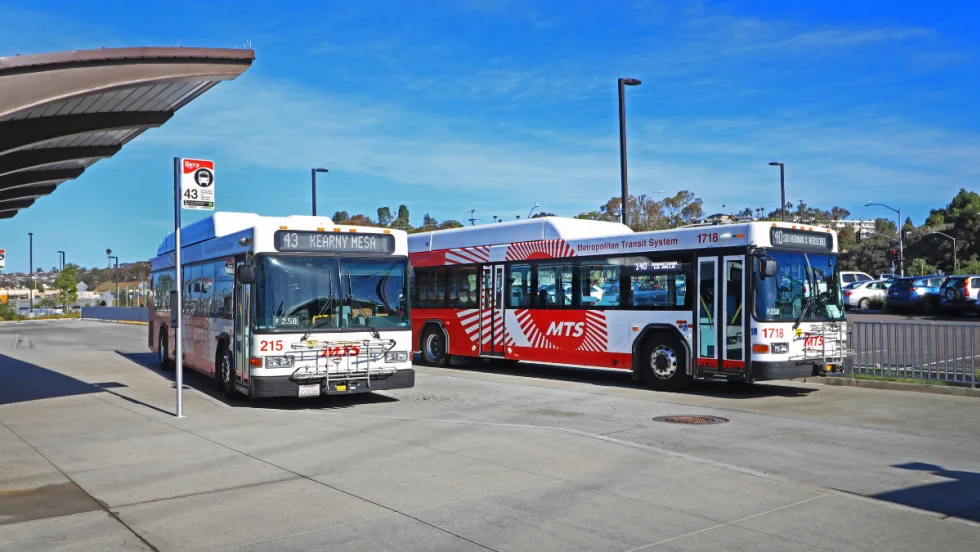
What’s Behind San Diego MTS’s Award-Winning Transit Strategy
Named one of APTA’s 2026 Outstanding Public Transportation Systems with 50 million or more annual passenger trips, California’s San Diego Metropolitan Transit System points to gains in ridership, safety, technology, and reliability as foundations of its success.
Read More →
Public Transit Conference Returning to GFX in 2027, Call for Papers Now Open
The Call for Papers is now open, allowing transit agency professionals and industry experts to help shape the PTC educational program by submitting session ideas for consideration.
Read More →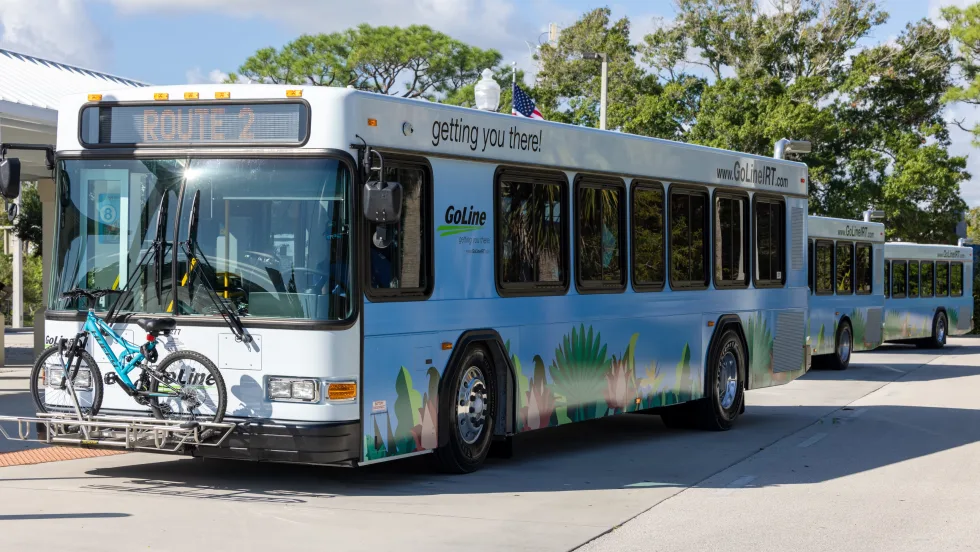
Indian River Transit’s Community-Focused Approach Earns National Recognition
Named APTA’s 2026 Outstanding Public Transportation System in its size category, Florida’s Indian River County transit system continues to grow ridership through fare-free service and a focus on evolving community needs.
Read More →
ENC Lands MATA Contract and More in Biz Briefs
In this edition of Biz Briefs, we spotlight the latest developments shaping the future of mobility.
Read More →
From Surviving to Thriving: Building Stronger Transportation Organizations
Bus Business Consultants founder Brian Dickson shares lessons on leadership, organizational health, and creating options for long-term success in a changing transportation industry.
Read More →
Everett Transit, Community Transit Outline Consolidation Agreement
The proposed agreement calls for a 50% increase in bus service in Everett, a new microtransit zone, continued paratransit service, and the transfer of Everett Transit operations to Community Transit.
Read More →
Strada360’s Steve Lassey on Turning Transit Data Into Better Decisions
From breaking down data silos to preparing for AI, Strada360 CEO Steve Lassey discusses how transit agencies can use technology to improve operations, customer information, and long-term decision-making.
Read More →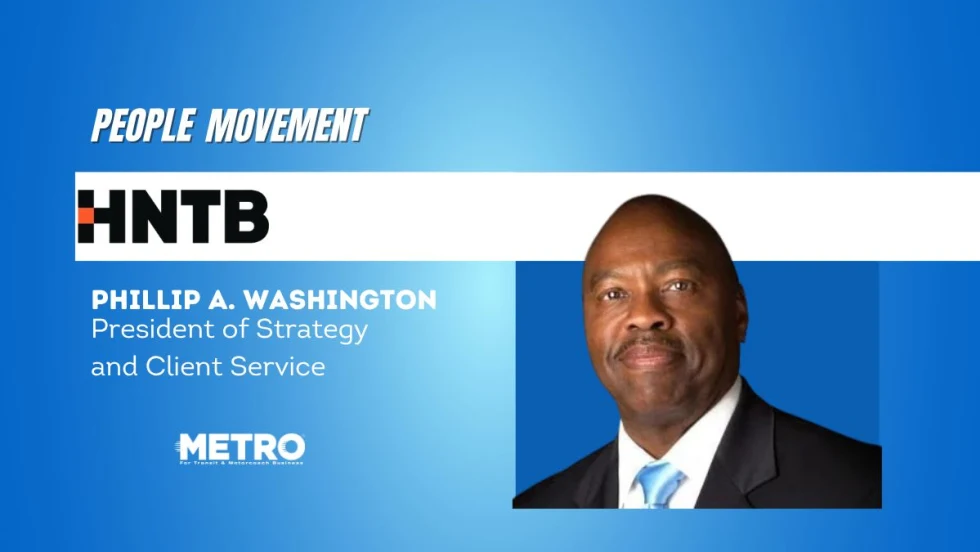
People Movement: Phil Washington Joins HNTB, Denver RTD Launches CEO Search, and More
In this edition, we also spotlight recent personnel moves at STV, the Eno Center for Transportation, and more, highlighting the people taking on new roles across the transportation industry.
Read More →
SEPTA Details Accelerate Vision for Transit System
The plan outlines investments in trolley modernization, new Metro and Regional Rail vehicles, accessible stations, and more frequent bus and rail service.
Read More →