



The bus rider within?
Not yet converted to a full-fledged bus rider, but slowly getting closer.
Don’t count me among the converted. Not yet, anyway. I’m more like a convert-in-progress. Because my last column (“The hypocrite within?,” Feb/Mar 2007) landed with a thud with at least one irate reader, I’ve challenged myself to ride the bus to and from the office at least once a week.
As some of you will remember, I took the mayor of Los Angeles to task for his campaign remark: “You’ve got to use public transit. You can’t keep pointing to someone else and saying it’s their responsibility.” This from a man who rides to and from work each day in a chauffeured GMC Yukon. Now I also pointed out that I don’t ride the bus myself, even though it’s more convenient for me than it is for Mr. Villaraigosa.
The height of hypocrisy
So, I guess I wasn’t surprised to get a not-so-diplomatic e-mail from a passionate but abrasive reader who accused me of being a hypocrite, even beyond my own self-labeled hypocrisy, and questioned my motives for being a magazine journalist. “Are you in this business, in your profession just for the money? The glamour? The prestige?” I only wish I could answer in the affirmative to any of the three.
But he made his point. As the editor of a magazine about public transportation, I should immerse myself as much as possible in the industry I cover. At the most basic level, that would include riding buses and trains to chat with passengers and drivers and soak up the experience of using public transportation.
Which brings me to the following question. How can you value what you provide unless you fully understand what it is? And not based on second- or third-hand reports from supervisors or from customer surveys performed by your marketing departments.
If you’re not already riding a bus or train to work, assuming that it’s feasible, I’d like to encourage you to take the plunge. It’s not always convenient, as I’ve discovered. I can drive my car to the office in the morning in eight minutes, but it takes me closer to 30 minutes if I ride the bus, including the time it takes me to walk to the bus stop in both directions. The same is true on the way home. That’s an additional 44 minutes of daily commute time.
Enhance your credibility
Many of you work for transit properties and would be showing your support of your employer by using its system. Moreover, you would be getting a street-level view of its efficiency, timeliness and customer service. That can only make you a more informed and more credible advocate of the service you provide.
The credibility angle is important. When you’re up on the podium at a town hall meeting with a surly group of bus riders in the audience complaining about late buses or cutbacks in service, you stand a much better chance of connecting with them if you can say, “Yes, I hear what you’re saying and I can commiserate because I ride the bus too. I know what you’re talking about.”
More than that, however, I believe that Mr. Villaraigosa is correct. We need to embrace the challenge of using public transportation and not expect others to take up our slack. As I mentioned earlier, it’s not always convenient. And, as I’ve discovered, you have to want to do it, especially when it’s cold and rainy and you don’t own an umbrella.
Since I started taking the bus more than a month ago, I’ve heard the heartfelt gratitude in the voices of the riders as they disembark with a cheerful “thank you” to the driver. It gives me a warm feeling to be a part of an industry that generates that type of appreciation. You can experience the feeling yourself — just make it your goal to take a bus or train to work or some other destination and then do it.
More Management

ENC Lands MATA Contract and More in Biz Briefs
In this edition of Biz Briefs, we spotlight the latest developments shaping the future of mobility.
Read More →
From Surviving to Thriving: Building Stronger Transportation Organizations
Bus Business Consultants founder Brian Dickson shares lessons on leadership, organizational health, and creating options for long-term success in a changing transportation industry.
Read More →
Everett Transit, Community Transit Outline Consolidation Agreement
The proposed agreement calls for a 50% increase in bus service in Everett, a new microtransit zone, continued paratransit service, and the transfer of Everett Transit operations to Community Transit.
Read More →

Strada360’s Steve Lassey on Turning Transit Data Into Better Decisions
From breaking down data silos to preparing for AI, Strada360 CEO Steve Lassey discusses how transit agencies can use technology to improve operations, customer information, and long-term decision-making.
Read More →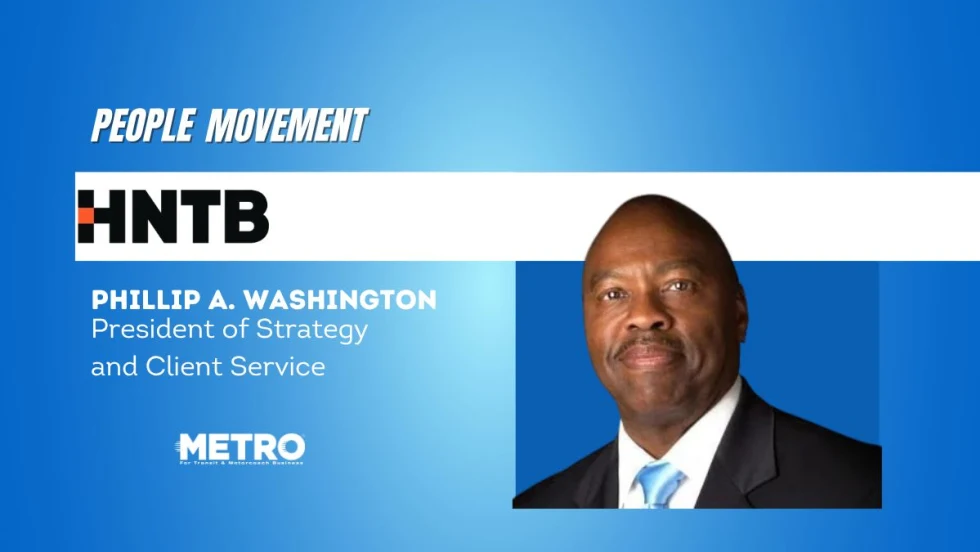
People Movement: Phil Washington Joins HNTB, Denver RTD Launches CEO Search, and More
In this edition, we also spotlight recent personnel moves at STV, the Eno Center for Transportation, and more, highlighting the people taking on new roles across the transportation industry.
Read More →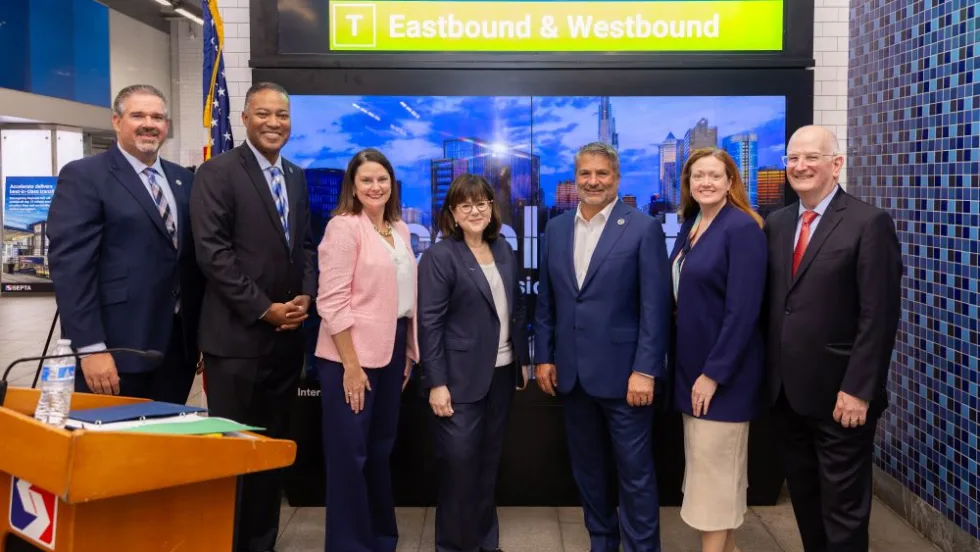
SEPTA Details Accelerate Vision for Transit System
The plan outlines investments in trolley modernization, new Metro and Regional Rail vehicles, accessible stations, and more frequent bus and rail service.
Read More →
FTA Ends Direct Oversight of MBTA Safety Actions
The federal agency closed its remaining special directive to the Massachusetts Department of Public Utilities following a safety review that began in 2022.
Read More →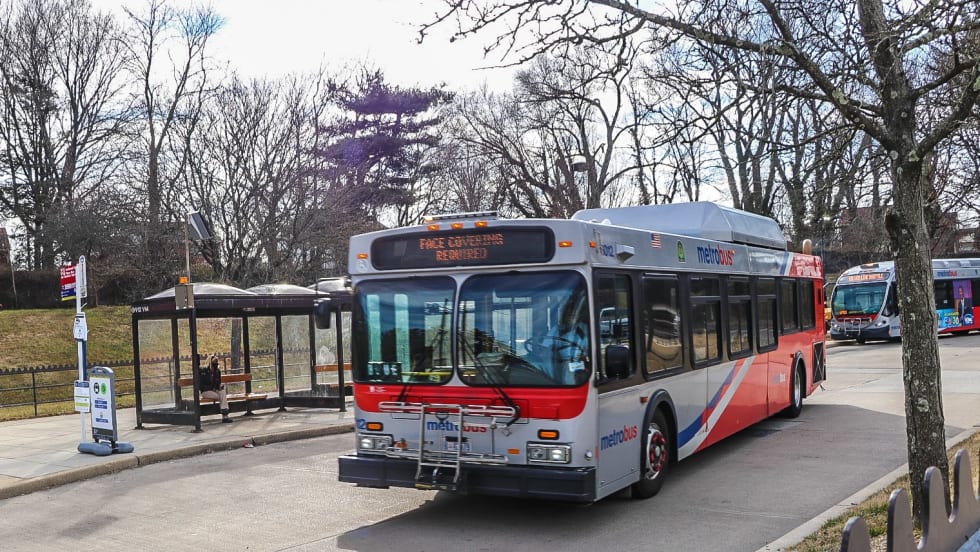
Report: Transit Bus Manufacturing Supports 34,100 Jobs, $5.1B in GDP
The “Buses Mean Business” report examines the transit bus manufacturing industry’s economic footprint, supply chain, and rising demand for vehicle replacements.
Read More →
LIT Marks 10-Year Milestone at Annual Summit
Hosted by the COTA from September 10 to 13, the Summit carried the theme “Celebrating 10 Years of Excellence, Leadership, and Impact,” with every part of the program honoring the people, agencies, and partners who built LIT over its first decade.
Read More →
People Movement: Dan Dipert Coaches Adds Third-Generation Leader, Keolis Names New Valley Metro VP/GM, and More
In this edition, we also cover recent appointments and announcements at the Wabtec, SilverRide, HNTB, and more, showcasing the individuals helping to shape the future of transportation.
Read More →