



Tour/Charter Operators Find Silver Linings in Downturn
Forced to seek out alternative strategies to retain or enhance business, operators have improved customer service, reconfigured tour sequencing and promoted shorter trips with closer destinations.

Tour and charter operators felt the sting of widespread travel reluctance after Sept. 11, 2001, and the economic insecurities that followed, but many have been able to endure and even expand using new tactics.
This difficult time forced operators to pursue markets previously unconsidered. The new travel climate has been approached in a variety of ways, but the predominant theme appears to be a willingness to accommodate customers who have new concerns. This often means booking trips to closer destinations for fewer days and accepting less advanced notice for reservations.
Operators who completely changed their business strategy to compensate for the downturn in travel in the past three years now find themselves with many choices. Many are involved in new markets, have developed stronger relationships with local and state associations and have improved service for new and existing customers.
Specific clientele targeted
David Brown, president of Holiday Tours in Randleman, N.C., used to mainly target large groups but found this was not necessarily the best market when people began traveling less. Instead, he shifted the focus to smaller organizations likely to take more frequent trips or travel farther distances.
“This has really tested our management ability,” says Brown. “We don’t always pass but we learn with every experience. It’s all about finding the right kind of business.”
Holiday Tours also looked at its sales process before resorting to price cuts. A full-time sales trainer was put in place to improve customer service. Brown determined the fleet operations were good, but the office service could be better. Identifying positive business opportunities and securing the sale was crucial when customers were harder to find.
Brown says business continued to grow every year, but the quality of trips had declined. Remaining long-time customers who preferred shorter trips for a few years are now traveling more frequently to farther destinations.
Holiday Tours operates 48 full-size buses and two minibuses along the Atlantic coast from Florida to Maine. Brown says the terrorist attacks most hurt tour bookings, which accounts for 25% of his business. He says the experience has allowed him to learn how to configure tour sequencing better and determine the best number of tours to offer.
Targeted telemarketing helps
H&L Charter in Rancho Cucamonga, Calif., took a proactive approach to securing business by identifying potential customers and showing them how they could benefit by using buses.
Through targeted telemarketing, known as code calling, and meet and greets, people were educated about the services H&L Charter could provide. The company began contacting more overseas groups for multiple day tours and funeral homes to explain the benefits of a bus over a long caravan of cars.
Adding to a bad situation was the death of the company’s president in 2002. New management had to continue implementing the changes being made while becoming familiar with their new positions, says Jodi Merritt, vice president of operations.
The fleet was downsized to 10 full-size buses, a move Merritt says helped strengthen the service provided. The company has focused on doing more local travel, often for groups taking day trips in the area.
Utilize resources
Working with customers who want extensive information quickly required San Diego-based Five Star Tours to develop a sales strategy geared to the Internet. The company’s Website provides online quotes, reservation capabilities and detailed pictures of the equipment for inspections.
General Manager Alfonso Hernandez says the company has received positive feedback from customers about the ease-of-use of the new format. Confirmations, trip manifests and all other documents are e-mailed to provide the fastest service possible.
The company has been involved in charter services for more than 30 years and is now actively expanding into the tour market. Developing tours that can be customized for an individual group’s needs is what Hernandez says is the key to improving this market segment. Travel times, pick-up locations and lunch are some of the details that can be decided by the customer.
Safety features were also added in the wake of Sept. 11 to increase customers’ feelings of security while traveling. Drivers create a manifest for each trip and tour participants wear wristbands that make them easy to identify as part of the group.
Hernandez says the charter segment of the business is developing beyond traditional school groups, athletic programs and senior centers to leisure trips to Mexico, Los Angeles and Las Vegas.
Unlike some operators, Hernandez says he prefers to promote one-day excursions because they are most profitable for the company. This enables him to provide transportation services to more groups in a shorter period of time.
Bob Schwarz, executive vice president of Peter Pan Bus Lines in Springfield, Mass., says his company initiated a customer service follow-up program after a tour or charter trip. Every customer is personally called after the completion of a trip to discuss the level of satisfaction and receive input to improve the operation.
Customers are also encouraged to schedule another trip during the telephone conversation. “It’s a great way to show our customers we care about their experience and it helps to build repeat business,” says Schwarz.
Short-notice reservations
In addition to shorter trips, operators have also had to deal with less commitment from customers. A growing tendency appears to be customers making reservations closer to the departure date. Brown of Holiday Tours says this is a factor his company must now take into consideration when finding ways to improve service.
“We are seeing people book an average of 24 days closer to the trip date than they did a few years ago,” says Brown. “That’s a pretty dramatic shift, and it has created operational issues.”
Brown suggests this is due to the excess of availability for vehicles in recent years. He has had to turn away groups who request reservations only a few days or weeks in advance because service capacity is being reached more quickly.
Operators on the East Coast have had similar experiences as travelers express hesitation to go to the New York and Washington, D.C., areas as readily as they once did. Some say they try to reserve a few vehicles to accommodate short-notice reservations but this is not always possible or practical.
Building relationships
Operators have found safety in numbers by developing relationships with members of associations and forming partnerships with local hotels and visitors’ bureaus. This often provides benefits for both parties by increasing referrals and enhancing a company’s reputation in the industry.
Palladine Tour & Travel, a tour operator in Atlantic City, N.J., began working with hotels in the city to offer better deals to customers. Because no one wants to cut rates, hotels identify “hot dates” — slow days — when prices are lowered to fill the rooms.
“Hotels are willing to work with us during their slower days and give us excellent rates that we are able to pass along to the customer,” says Jennifer Hopkins, Palladine’s vice president of sales and marketing. “It has been great to partner with our suppliers.”
Hopkins says this has been especially beneficial because people are not willing to pay the same prices they paid in 2000. The upside is that people will still gamble during a recession with the hope of striking it rich.
As a company specializing in casino gaming destinations, Palladine is located in an area that still has many visitors. The current trend of traveling closer to home for shorter periods of time has increased the number of day trips to the Atlantic City area.
To make transportation as efficient as possible, group leaders combine multiple groups onto one bus and form partnerships with area companies to consolidate resources. “As a wholesaler we try to help the local operators in any way we can,” Hopkins says.
Holiday Tours’ Brown says he has found comfort in associations to which his company belongs. “We like to share what we have learned because if one company finds a new area for business, it benefits everyone,” he says.
Operators say local convention and visitors’ bureaus can be immensely helpful to a tour or charter company. Five Star Tours saw the benefit after taking time to establish a better relationship with its local bureau.
“We were always members, but now I can say we are active members of the convention and visitors’ bureau,” Hernandez says. “It has made us more credible and given us good visibility with vendors, customers and suppliers.”
Schwarz of Peter Pan Bus Lines says he agrees with the advantages this affiliation provides. “It’s so important to get involved in associations and you really have to be a major player with the CVB to get the real business,” he says.
After making a serious commitment to the tour and charter industry post-Sept. 11, the company now provides service for the University of Connecticut athletic programs, the New England Patriots and will allocate 80 coaches for the 2004 Democratic National Convention in Boston this summer.
“The charter and tour business suffered immensely [in 2001] and it was a pretty dreary picture,” Schwarz says. “We got very bullish and began aggressively bidding for new business.”
Peter Pan Bus Lines was predominantly a regular-route company before purchasing five new companies that allowed it to branch into the tour/charter market.
More Management

Public Transit Conference Returning to GFX in 2027, Call for Papers Now Open
The Call for Papers is now open, allowing transit agency professionals and industry experts to help shape the PTC educational program by submitting session ideas for consideration.
Read More →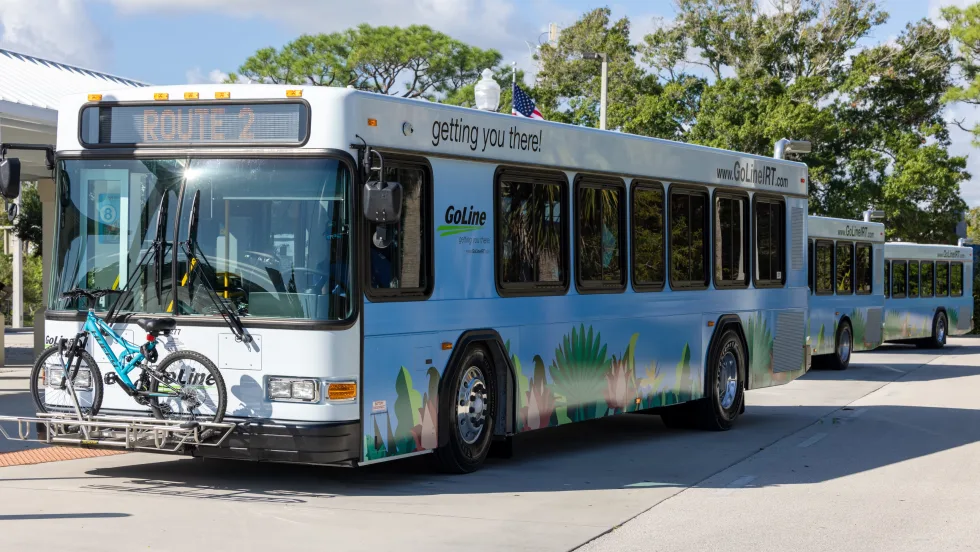
Indian River Transit’s Community-Focused Approach Earns National Recognition
Named APTA’s 2026 Outstanding Public Transportation System in its size category, Florida’s Indian River County transit system continues to grow ridership through fare-free service and a focus on evolving community needs.
Read More →
ENC Lands MATA Contract and More in Biz Briefs
In this edition of Biz Briefs, we spotlight the latest developments shaping the future of mobility.
Read More →

From Surviving to Thriving: Building Stronger Transportation Organizations
Bus Business Consultants founder Brian Dickson shares lessons on leadership, organizational health, and creating options for long-term success in a changing transportation industry.
Read More →
Everett Transit, Community Transit Outline Consolidation Agreement
The proposed agreement calls for a 50% increase in bus service in Everett, a new microtransit zone, continued paratransit service, and the transfer of Everett Transit operations to Community Transit.
Read More →
Strada360’s Steve Lassey on Turning Transit Data Into Better Decisions
From breaking down data silos to preparing for AI, Strada360 CEO Steve Lassey discusses how transit agencies can use technology to improve operations, customer information, and long-term decision-making.
Read More →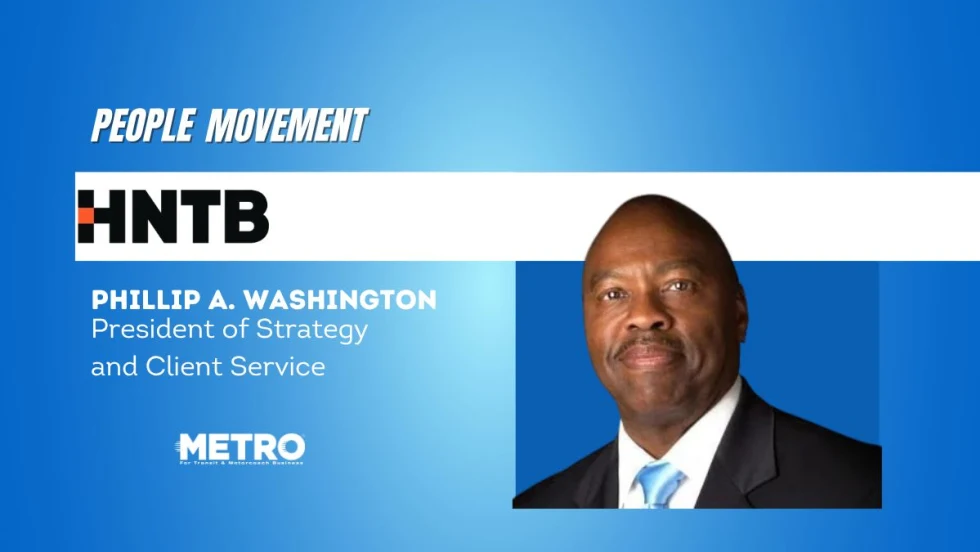
People Movement: Phil Washington Joins HNTB, Denver RTD Launches CEO Search, and More
In this edition, we also spotlight recent personnel moves at STV, the Eno Center for Transportation, and more, highlighting the people taking on new roles across the transportation industry.
Read More →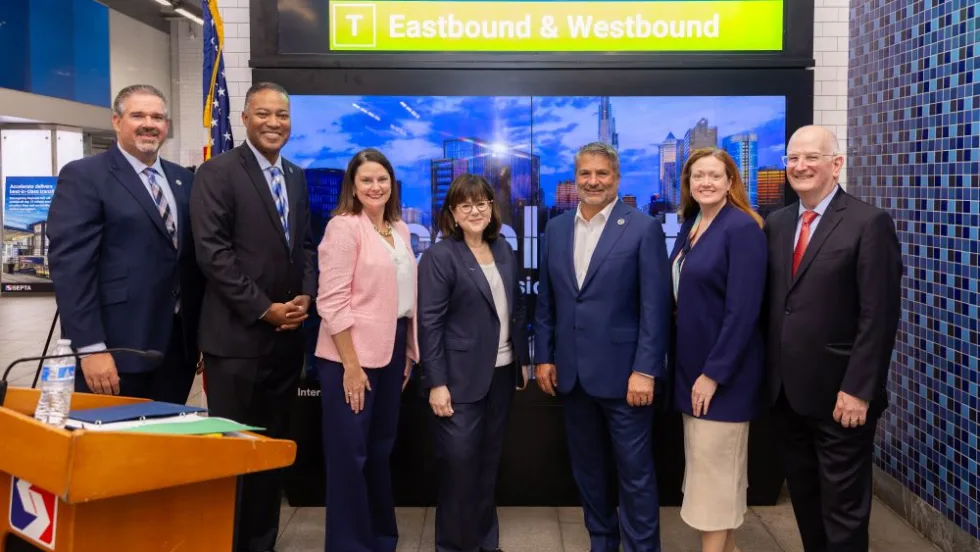
SEPTA Details Accelerate Vision for Transit System
The plan outlines investments in trolley modernization, new Metro and Regional Rail vehicles, accessible stations, and more frequent bus and rail service.
Read More →
FTA Ends Direct Oversight of MBTA Safety Actions
The federal agency closed its remaining special directive to the Massachusetts Department of Public Utilities following a safety review that began in 2022.
Read More →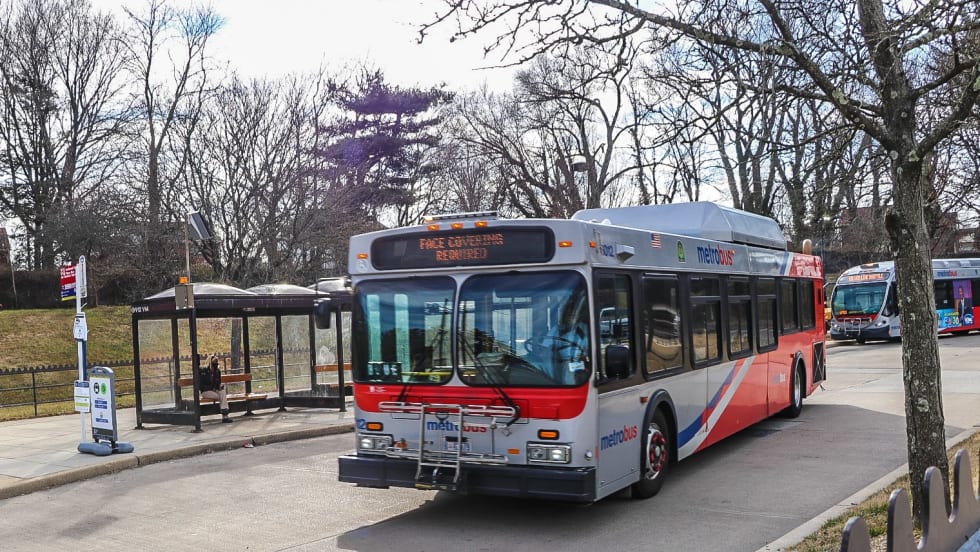
Report: Transit Bus Manufacturing Supports 34,100 Jobs, $5.1B in GDP
The “Buses Mean Business” report examines the transit bus manufacturing industry’s economic footprint, supply chain, and rising demand for vehicle replacements.
Read More →