



Transit, police authorities boost community confidence
In Wilmington, Del., and Snohomish County, Wash., transit agencies have partnered with local police to provide better safety for passengers and employees.

In Wilmington, Del., and Snohomish County, Wash., transit agencies have partnered with local police to provide better safety for passengers and employees. Both unions took effect in early spring and have garnered nothing but positive comments from the communities. “It was well received in the public and in the media,” said Drew McCaskey, marketing manager for Delaware’s DART First State. There, a joint initiative was created to specifically address nuisance crimes, which include loitering, public drunkenness, lewdness and panhandling. Wilmington Police Detective Dan Selekman initiated the campaign out of a growing concern for such crimes in the downtown area. Through a grant from the Wilmington Public Library, of which Selekman is a committee member, additional downtown police patrols were activated, as was a new phone number for reporting the offenses. “The new patrol covers the downtown area where about 12 DART shelters are located,” McCaskey said. “The police also came in and talked with our drivers and dispatchers to better educate them.” Dennis Mochon, marketing manager for Community Transit in Snohomish County, Wash., also saw positive feedback to his agency’s program. “We’ve received a lot of customer compliments, especially from our drivers because they’re on the front line,” he said. An incident that worried some Community Transit bus operators involved children throwing stones from roadway overpasses. Since the Snohomish County Sheriff’s Office deployed uniformed officers to buses and facilities, those types of behaviors have all but ceased. Partnerships generate support from communities, but in-house police forces can provide some of the same benefits. Metro Transit Police Captain Jeff Delinski of the Washington Metropolitan Area Transit Authority took part in a weeklong police academy geared toward employees. Called the Metro Transit Police Citizen’s Academy, the program presented employees with a different aspect of the police force each day. Held during lunch, the voluntary program was flexible enough for employees to come and go according to their schedules. “Chief of Police Polly Hanson came up with the concept,” Delinski said. “It was the idea of doing something interactive and informative with the people we work with. We’re always doing things concerning safety with the community, but this was something for those we work closest with.” Presentations ranged from firearms demonstrations to pickpocket awareness. The topic that received the most feedback was the defensive tactics session. “Many of the female participants had serious concerns about being attacked or robbed,” said Delinski. “They were very interested in learning quick techniques to get out of dangerous situations.”
More Management

More Than a Summer Job: Building the Next Generation of Transit Talent
The Delaware River Port Authority and PATCO have transformed their internship program into a hands-on professional development experience that introduces students to the breadth of transportation careers — and creates a pipeline for future employees.
Read More →
LA Metro Board Awards 220 Battery-Electric Bus Contract to ENC
The contract, which is the largest base award of battery-electric buses by a U.S. transit agency, will be built in Southern California, sustaining good jobs as LA prepares to welcome the world in 2028
Read More →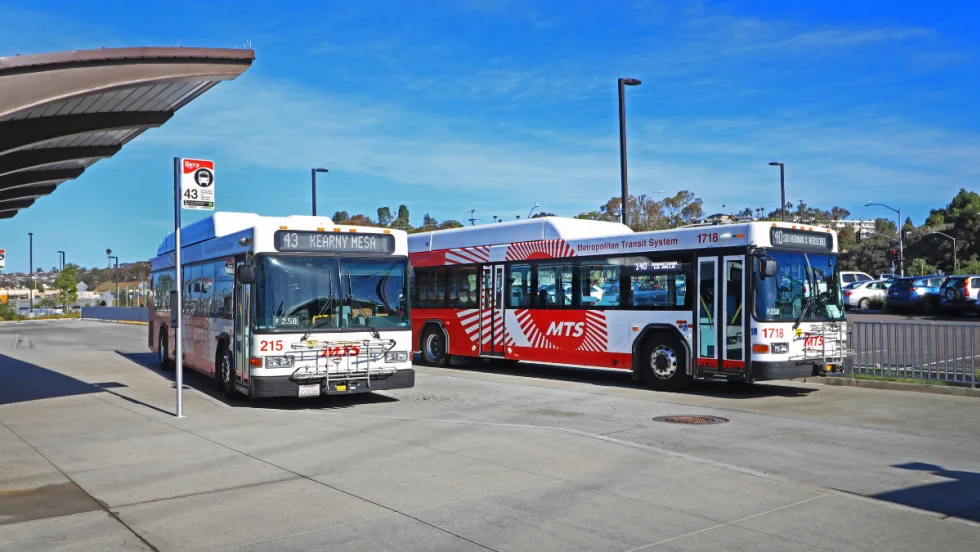
What’s Behind San Diego MTS’s Award-Winning Transit Strategy
Named one of APTA’s 2026 Outstanding Public Transportation Systems with 50 million or more annual passenger trips, California’s San Diego Metropolitan Transit System points to gains in ridership, safety, technology, and reliability as foundations of its success.
Read More →
Public Transit Conference Returning to GFX in 2027, Call for Papers Now Open
The Call for Papers is now open, allowing transit agency professionals and industry experts to help shape the PTC educational program by submitting session ideas for consideration.
Read More →
Indian River Transit’s Community-Focused Approach Earns National Recognition
Named APTA’s 2026 Outstanding Public Transportation System in its size category, Florida’s Indian River County transit system continues to grow ridership through fare-free service and a focus on evolving community needs.
Read More →
ENC Lands MATA Contract and More in Biz Briefs
In this edition of Biz Briefs, we spotlight the latest developments shaping the future of mobility.
Read More →
From Surviving to Thriving: Building Stronger Transportation Organizations
Bus Business Consultants founder Brian Dickson shares lessons on leadership, organizational health, and creating options for long-term success in a changing transportation industry.
Read More →
Everett Transit, Community Transit Outline Consolidation Agreement
The proposed agreement calls for a 50% increase in bus service in Everett, a new microtransit zone, continued paratransit service, and the transfer of Everett Transit operations to Community Transit.
Read More →
Strada360’s Steve Lassey on Turning Transit Data Into Better Decisions
From breaking down data silos to preparing for AI, Strada360 CEO Steve Lassey discusses how transit agencies can use technology to improve operations, customer information, and long-term decision-making.
Read More →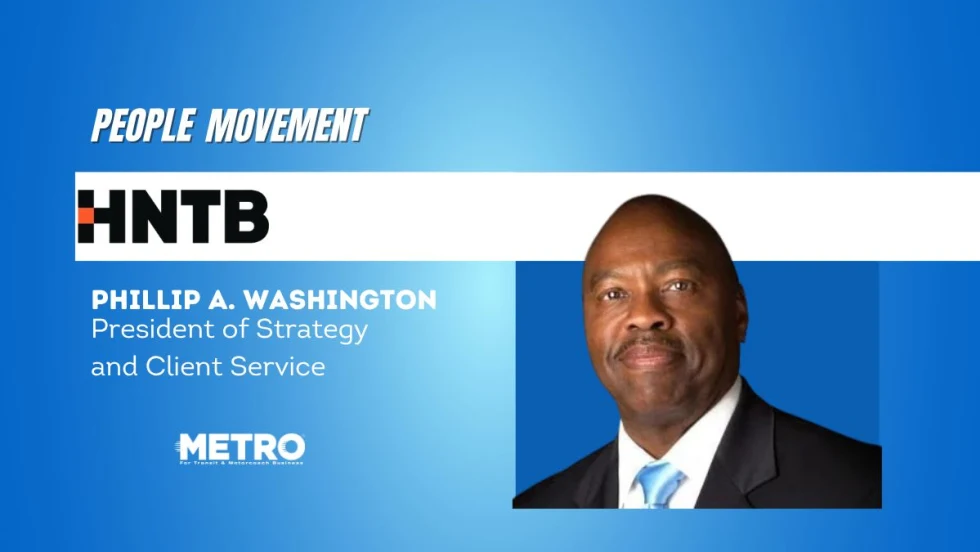
People Movement: Phil Washington Joins HNTB, Denver RTD Launches CEO Search, and More
In this edition, we also spotlight recent personnel moves at STV, the Eno Center for Transportation, and more, highlighting the people taking on new roles across the transportation industry.
Read More →