



Transit projects in Tel Aviv, Beijing attract foreign investors
Investors interested in rail projects.

Looking beyond their own countries, foreign investors are showing interest in transit projects in Tel Aviv and Beijing. The Tel Aviv Mass Transit System is scheduled to start operation in 2009. The 14-mile Red Line would be the first of four lines that will become Israel’s largest civilian project. It will be constructed under the build-operate-transfer method, and the winner will construct, operate and maintain the railway and its stations for 32 years. Bidding on the Jerusalem Light Railway concession is the City Pass group, comprising Alstom, Elco Ltd., Ashtrom Ltd., Poalim Investments and the international consortium CGEA. Also bidding is the Pasim group, composed of Siemens, Africa-Israel, Feuchtwanger Industries, Uestra and the Canadian Highways Investment Corp. The government will guarantee revenue to the concession holder based on a forecast of more than 100 million passengers a year for the Red Line and 60 million riders for the second line, the Green Line. The Red Line will bring an estimated 8,000 new jobs. The entire rail system will have 42 miles of track and 117 stations, nine of which will be underground. Foreign investors have also shown interest at the prospect of large-scale transport projects in Beijing. The Beijing Construction Engineering Co. Ltd. and Germany’s Bilfinger Berger AG invested an additional $9 million to their joint venture in the city. Beijing will invest $10.84 billion to build 93 miles of rail lines in an attempt to be in the running to host the 2008 Olympic Games.
More Management

Bus Tech Talk: Keeping Transit Technicians Ahead of the Technology Curve
In this episode of Bus Tech Talk, Complete Coach Works’ Business Development Manager Mark Hollenbeck and METRO’s Executive Editor Alex Roman sit down with Obed Mejia, Senior Technical Trainer for Bus Maintenance, at LA Metro to discuss how rapidly evolving bus technology is changing the maintenance shop — and the skills technicians need to keep pace.
Read More →
Michael Schneider Joins Paslay Group to Expand Transportation Practice
The longtime transportation executive will help Paslay Group grow its advisory and program management work across transit, highway, and other infrastructure sectors.
Read More →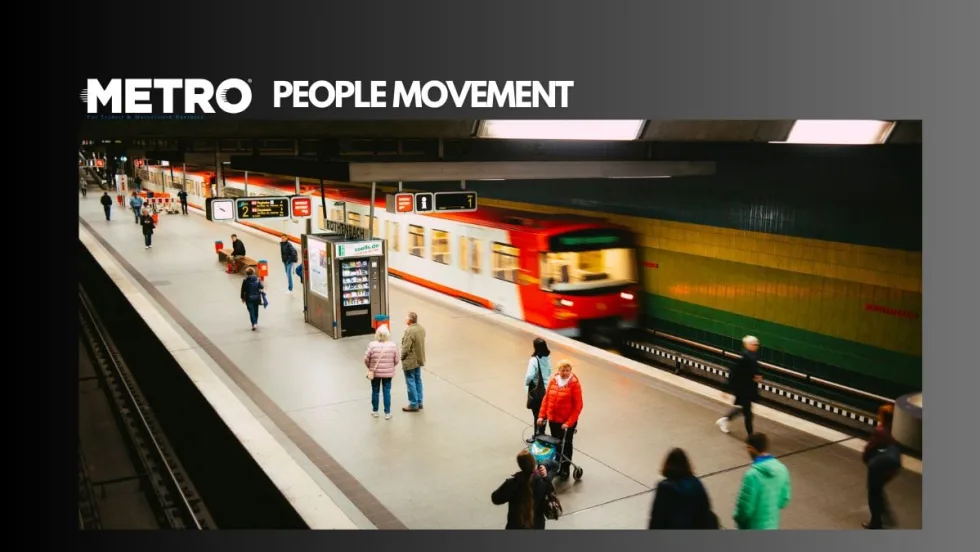
People Movement: Connectpoint Expands Leadership Team, Stadler Names New Group CEO, and More
In this edition, we also spotlight recent personnel moves at Burns, UZURV, and more, highlighting the people taking on new roles across the transportation industry.
Read More →
More Than a Summer Job: Building the Next Generation of Transit Talent
The Delaware River Port Authority and PATCO have transformed their internship program into a hands-on professional development experience that introduces students to the breadth of transportation careers — and creates a pipeline for future employees.
Read More →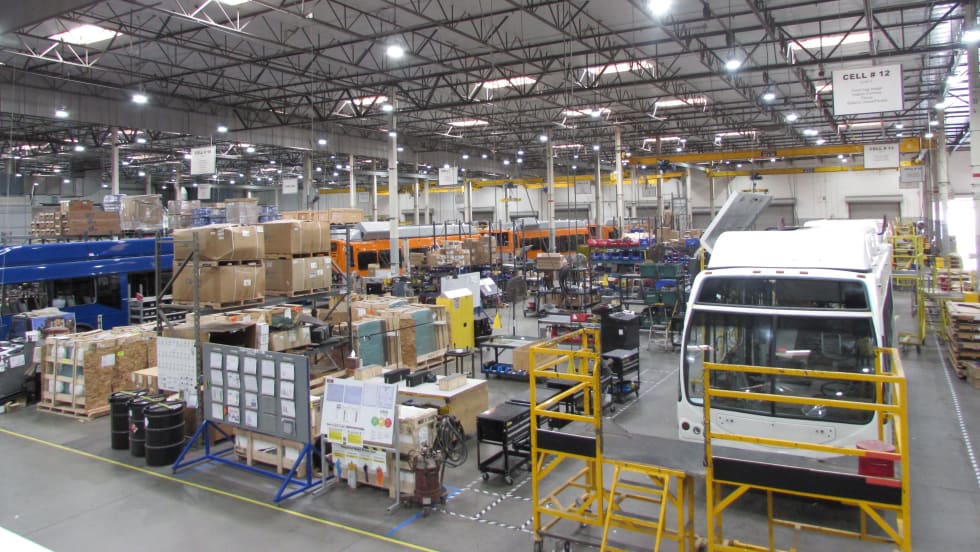
LA Metro Board Awards 220 Battery-Electric Bus Contract to ENC
The contract, which is the largest base award of battery-electric buses by a U.S. transit agency, will be built in Southern California, sustaining good jobs as LA prepares to welcome the world in 2028
Read More →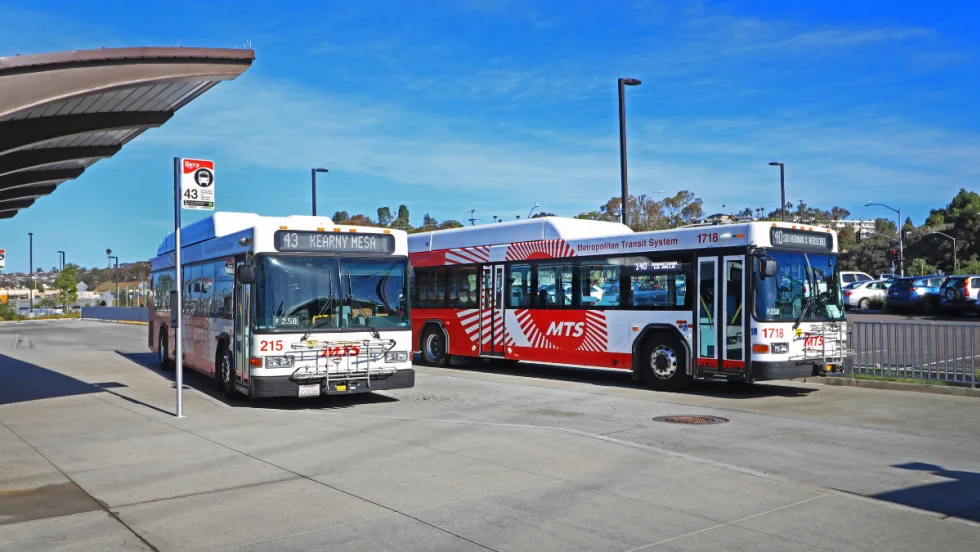
What’s Behind San Diego MTS’s Award-Winning Transit Strategy
Named one of APTA’s 2026 Outstanding Public Transportation Systems with 50 million or more annual passenger trips, California’s San Diego Metropolitan Transit System points to gains in ridership, safety, technology, and reliability as foundations of its success.
Read More →
Public Transit Conference Returning to GFX in 2027, Call for Papers Now Open
The Call for Papers is now open, allowing transit agency professionals and industry experts to help shape the PTC educational program by submitting session ideas for consideration.
Read More →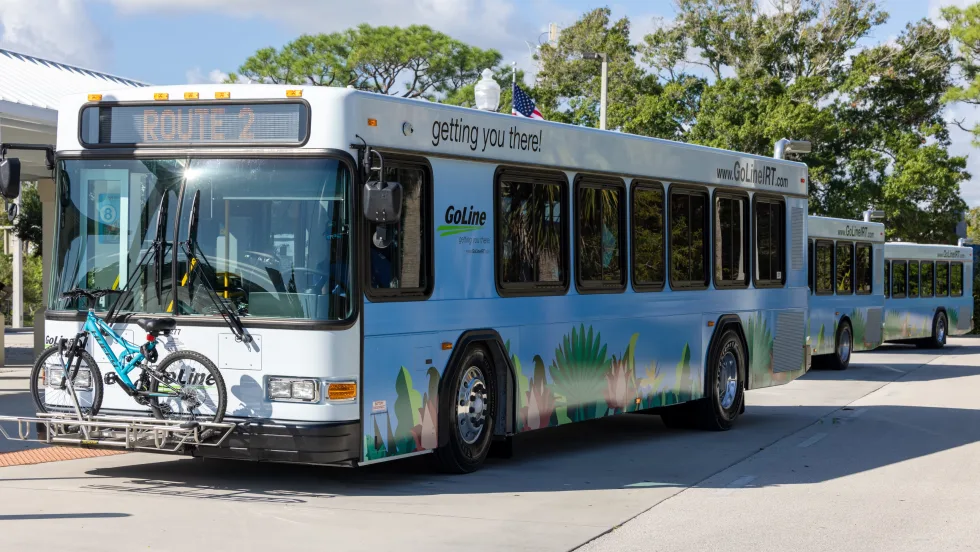
Indian River Transit’s Community-Focused Approach Earns National Recognition
Named APTA’s 2026 Outstanding Public Transportation System in its size category, Florida’s Indian River County transit system continues to grow ridership through fare-free service and a focus on evolving community needs.
Read More →
ENC Lands MATA Contract and More in Biz Briefs
In this edition of Biz Briefs, we spotlight the latest developments shaping the future of mobility.
Read More →From Surviving to Thriving: Building Stronger Transportation Organizations
Bus Business Consultants founder Brian Dickson shares lessons on leadership, organizational health, and creating options for long-term success in a changing transportation industry.
Read More →