



UITP Talks Trends, Solutions for International Transportation's Future
The international organization's 56th annual World Congress in Rome will debut a new Mobility Village concept and mark the creation of its Middle Eastern and North Africa division.

Public Transport 2020: Making the Connection” is the chosen theme for the International Association of Public Transport’s (UITP’s) 56th World Congress, which will be held in Rome June 5 to 9.
In line with this theme, the congress will focus on public transport’s role as the connection between social, environmental and business aspects that can stimulate future growth. “We want to clearly set out our strategic vision for the future: a future where public transport is a valued mobility option amongst citizens, and thus also in political decisions,” says UITP Secretary General Hans Rat. “Globally, we must all address the same concerns for future fossil fuel shortage and scarcity of public money dedicated to public transport.”
The congress will also examine societal trends and their impact on the development of public transport, including urban sprawl, demographic and lifestyle changes, economic globalization and the availability of new technologies. In addition, the UITP will unveil the results of its strategic project, “From Vision to Action: Public Transport in 2020.” The project identifies the strengths and weaknesses of the present model of organizing public transport, and aims to create a set of scenarios for the future where public transport is able to fulfill its role in equitable and sustainable communities.
The event program features a wide choice of modal, thematic and regional sessions. The modal sessions will examine such issues as efficient and cost-effective bus operation, opportunities and constraints for light rail, and innovative technologies for metros. Thematic sessions will discuss a broad range of topics, from personal security to financing to marketing techniques. Sessions on the European Union legislative process, innovations from developing countries and poverty reduction will offer a regional perspective. The local host session will focus on mobility in Rome and the Lazio region of Italy.
UITP’s Mobility & City Transport Exhibition, which will be held in conjunction with the World Congress, will feature more than 300 exhibitors. A sampling of exhibiting companies includes Digital Recorders Inc., Scheidt & Bachmann, Q’Straint, Siemens Transportation Systems and Van Hool.
Integration of events
A new concept, the UITP Mobility Village to be launched at this year’s event, will integrate the exhibition with the congress. “The Mobility Village will fully integrate our exhibition with state-of-the-art exhibits supporting the congress themes,” Rat says.
Instead of static sessions, topics will be covered in dedicated workshops, as well as open and interactive discussion and encounter forums. There will also be guided tours of the exhibition linked to workshop topics.
Open-air restaurants, coffee shops and street furniture will provide a “street-life” atmosphere to the village concept. Roads linking the various halls of the Fiera di Roma exhibition center, where the event will be held, will be given names related to the public transport sector. The village will also feature bus stations with electric buses or small tour trains to transport visitors to halls of their choice.
Exhibition visitors will also be able to view a selection of top entries from the “European bus of the future” design competition. Entrants were required to incorporate general public transport needs, the demands of individual passengers and economic constraints faced by operators and builders. The winner of the design competition will be chosen by a jury panel composed of some of the world’s leading figures in design, public transport and civic life.
Another highlight will be the official creation of a Middle East and North Africa (MENA) Division of UITP. Currently, there are more than 25 divisions. This new region includes 18 countries and covers a geographical area sharing common cultures, history, religion, values and attitudes toward public transport, often seen as the poor man’s means of transport. Social, cultural and economic trends have a direct impact on the mobility behaviors of a country or a region, according to the UITP.
By integrating these specific characteristics, the MENA Division will try to inverse the current trend of rapid deterioration of the urban environment brought on by a lack of support for public transport, even in relatively low-density countries of the Arabian Gulf. A preliminary goal for the new regional office will be the development of a systematic campaign to improve awareness of the significant contributions of public transport.
Other key division goals include providing basic mobility in very poor countries such as Yemen, and quality alternatives to car use in rich countries like Kuwait.
More Management

ENC Lands MATA Contract and More in Biz Briefs
In this edition of Biz Briefs, we spotlight the latest developments shaping the future of mobility.
Read More →
From Surviving to Thriving: Building Stronger Transportation Organizations
Bus Business Consultants founder Brian Dickson shares lessons on leadership, organizational health, and creating options for long-term success in a changing transportation industry.
Read More →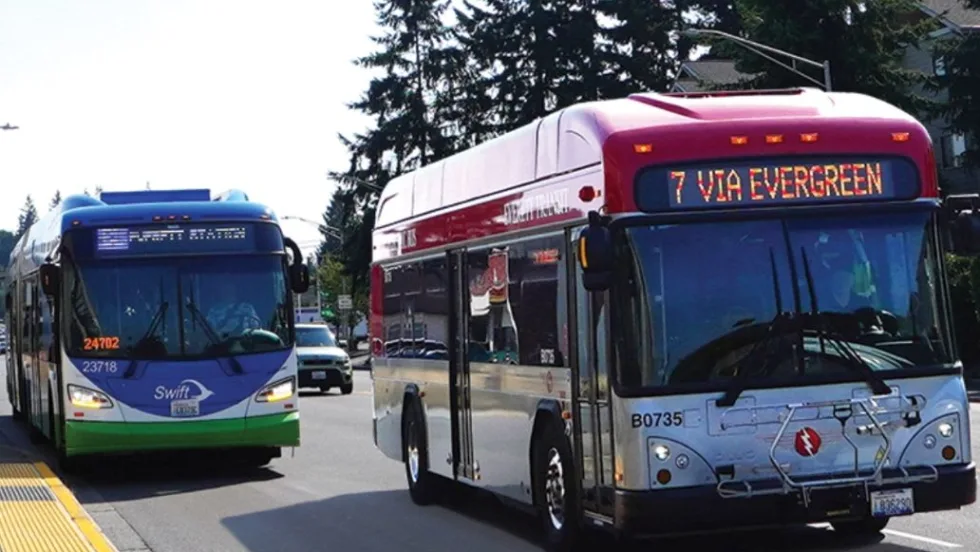
Everett Transit, Community Transit Outline Consolidation Agreement
The proposed agreement calls for a 50% increase in bus service in Everett, a new microtransit zone, continued paratransit service, and the transfer of Everett Transit operations to Community Transit.
Read More →

Strada360’s Steve Lassey on Turning Transit Data Into Better Decisions
From breaking down data silos to preparing for AI, Strada360 CEO Steve Lassey discusses how transit agencies can use technology to improve operations, customer information, and long-term decision-making.
Read More →
People Movement: Phil Washington Joins HNTB, Denver RTD Launches CEO Search, and More
In this edition, we also spotlight recent personnel moves at STV, the Eno Center for Transportation, and more, highlighting the people taking on new roles across the transportation industry.
Read More →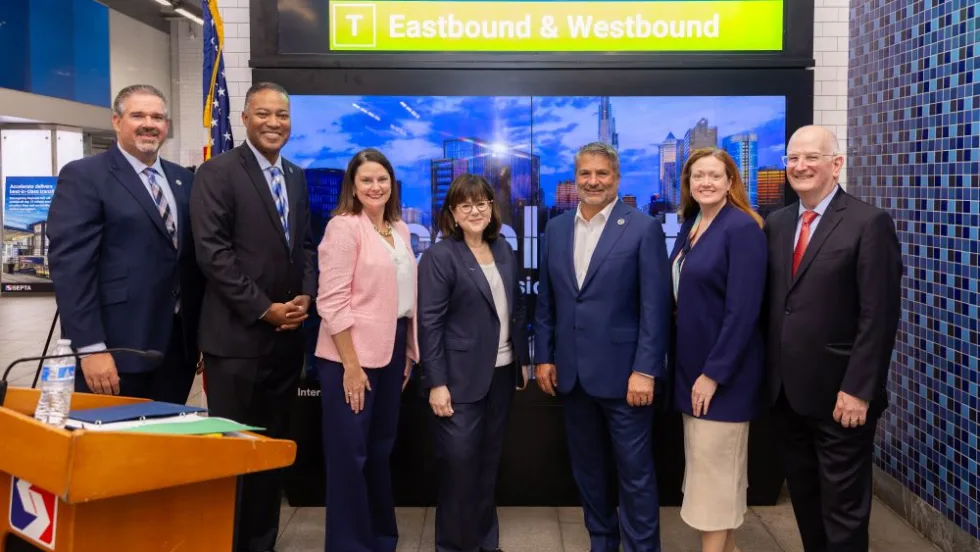
SEPTA Details Accelerate Vision for Transit System
The plan outlines investments in trolley modernization, new Metro and Regional Rail vehicles, accessible stations, and more frequent bus and rail service.
Read More →
FTA Ends Direct Oversight of MBTA Safety Actions
The federal agency closed its remaining special directive to the Massachusetts Department of Public Utilities following a safety review that began in 2022.
Read More →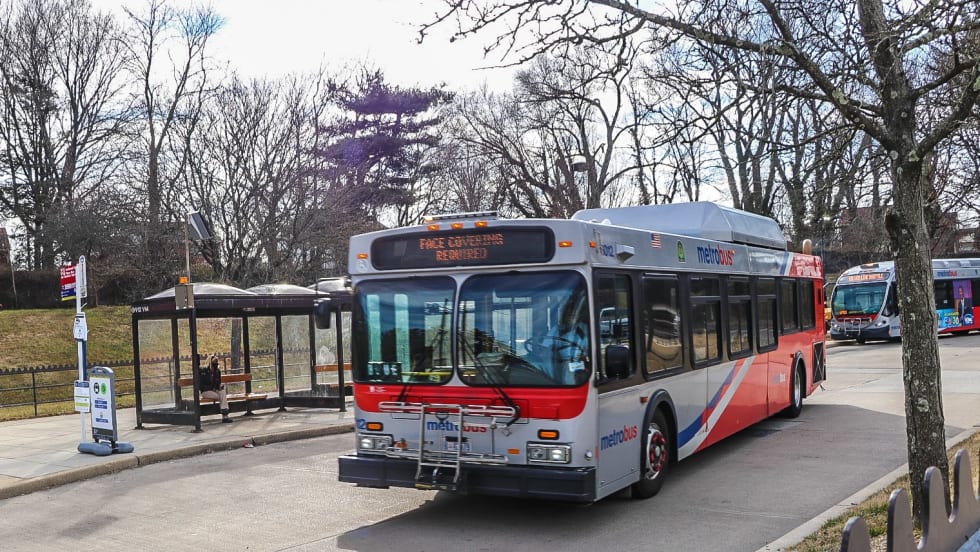
Report: Transit Bus Manufacturing Supports 34,100 Jobs, $5.1B in GDP
The “Buses Mean Business” report examines the transit bus manufacturing industry’s economic footprint, supply chain, and rising demand for vehicle replacements.
Read More →
LIT Marks 10-Year Milestone at Annual Summit
Hosted by the COTA from September 10 to 13, the Summit carried the theme “Celebrating 10 Years of Excellence, Leadership, and Impact,” with every part of the program honoring the people, agencies, and partners who built LIT over its first decade.
Read More →
People Movement: Dan Dipert Coaches Adds Third-Generation Leader, Keolis Names New Valley Metro VP/GM, and More
In this edition, we also cover recent appointments and announcements at the Wabtec, SilverRide, HNTB, and more, showcasing the individuals helping to shape the future of transportation.
Read More →