



Bus, Pedestrian Incident? What Trip Was It?
In reading news reports of several bus-pedestrian knockdowns/fatalities that have been reported in several locations around the country, I noticed they all had one thing in common.

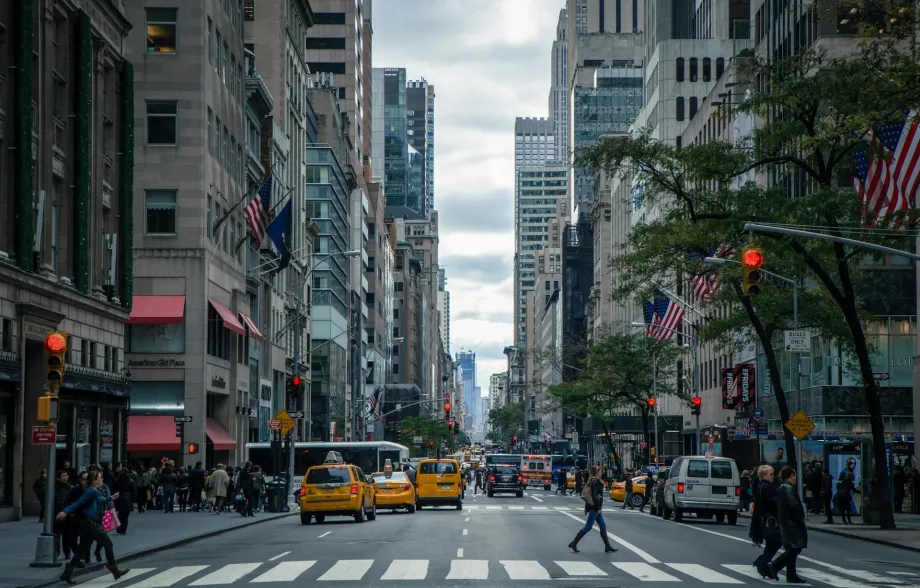
It is quite understandable the last trip of the day is a welcome sight for the bus operator, knowing that the long exhausting day is about to come to an end and that can’t occur a minute too soon.
Photo: Nout Gons
In reading news reports of several bus-pedestrian knockdowns/fatalities that have been reported in several locations around the country, I noticed they all had one thing in common.
Out of respect I will not name the transit agencies. There is one particular item that linked these incidents together that may be under the radar and not particularly obvious to all concerned.
Most, if not all, of the readers of this blog will be familiar with the following terms I will mention. For those who may not be familiar with them, allow me to share their meanings.
Unlike the majority of bus collisions, which occur while the bus operator is operating “in-passenger service” (passengers on board), these pedestrian incidents the subject of this blog, are occurring while the bus operator is operating in a “dark or dead-head status.”
Dead-Heading Buses
For those outside of the transit profession who may read this blog, those terms simply mean the bus operator is operating without any passengers on board and with dome/passenger interior lighting off.
There are several situations when a bus will not have passengers on board:
1. While operating on lightly traveled routes. There may be a brief period of time that all passengers have alighted, and none have boarded creating a brief period of a passenger-less situation. I don’t believe that this is the situation during these bus-pedestrian collisions.
2. When the bus operator must travel from the bus depot to a distant location to begin their first trip of the day.
3. When completing a trip away from the depot and having to travel back to the depot.
Numbers two and three usually occur in the early morning and evening periods. In both of these situations you will have a “dark or dead-head” condition. The interior dome lighting/passenger interior lighting are in most cases off. No passengers on board, only the bus operator.
Is something occurring on these “dark/dead-head” trips to begin their day and also during the return to the depot at the completion of their workday? Perhaps an occasional “safety blitz," with a member of supervision positioned along the path of travel from the depot to the starting location where bus operators begin their first trip of the day and at the conclusion of the day when returning to the depot from the run-off location, may reveal if excessive speed, a failure to adhere to their basic skill practices they normally would adhere to when operating with passengers on board, or other factors are the cause of these collision types.
Is This Happening at Your Operation?
It is quite understandable the last trip of the day is a welcome sight for the bus operator, knowing that the long exhausting day is about to come to an end and that can’t occur a minute too soon.
I can attest too that these dark/dead-head trips for an operator can make them vulnerable to an incident occurring.
Take a look at past collisions at your agency and see if they occurred during a “dark/dead-head” condition. What trip was it? Perhaps, this should be what you look at first upon reviewing the collision report.
In closing, also take a glimpse at any collision/incident activity occurring on meal trips, relief trips, and last trips of the day.
More Blog Posts
Improving Transit Accessibility by Offering Assistive Listening
Did you know that there are literally tens of millions of people worldwide with hearing loss, many of whom will use some form of public transit at some point?
Read More →
35 Years of the ADA, Making Travel Easier for Seniors
Thirty-five years after the passage of the Americans with Disabilities Act of 1990 (ADA), the impact of this landmark piece of civil rights legislation cannot be overstated.
Read More →
Driving Performance with Purpose: How I Lead One of Greyhound’s Top Teams
Safety, on-time performance, and customer experience are critical elements in intercity bus operations. But getting them right doesn’t come down to plans or protocols alone. It comes down to execution. How well your team performs on the ground, in real time, is what defines success.
Read More →
Navigating Emerging Privacy Laws: A Call to Action for Service Providers in Mass Transit
With Data Privacy Day Jan. 28, I want to spotlight a critical challenge faced by service providers in the mass transit sector: managing personal information responsibly in an era of rapidly evolving privacy regulations.
Read More →
Human Trafficking Awareness: What Public Transportation Can Do?
January is National Slavery and Human Trafficking Prevention Month in the U.S., and January 11 is National Human Trafficking Awareness Day.
Read More →
Want to Improve Transit Safety and Operations? Break Down the Silos
Retrieving and reviewing data and video can be a cumbersome process for fleet managers. Each system or tool provides a piece of the puzzle, but seeing the complete picture requires tedious manual synchronization.
Read More →
Ensuring Public Transit Cybersecurity Through Robust Protective Measures
In today’s highly connected world, cybersecurity is of utmost importance, particularly for transportation agencies overseeing transit bus systems that rely increasingly on sophisticated technologies, including the use of data analytics in traffic signal networks, to manage and operate their systems.
Read More →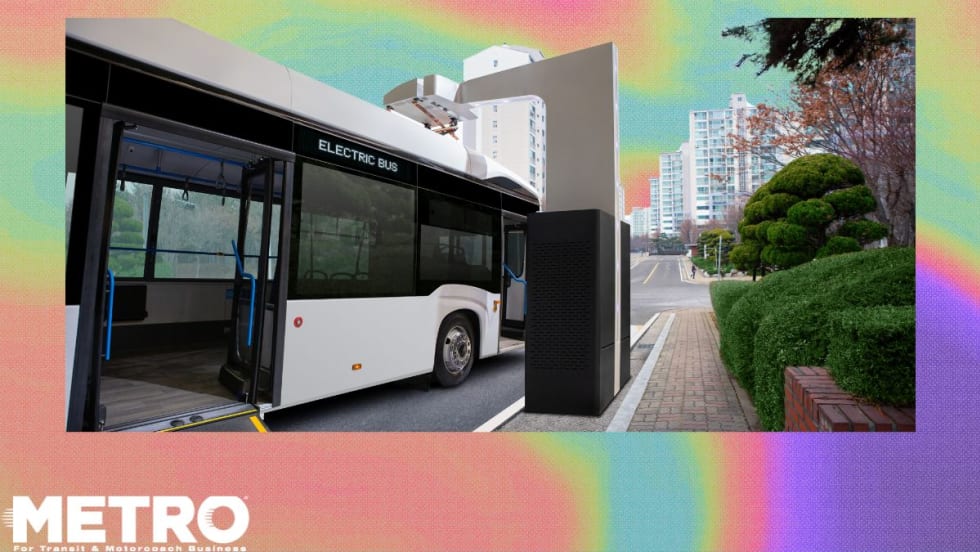
How Advances in Thermal Management Revolutionize Urban Mobility
In the daily hustle and bustle of city life, transit buses serve as the backbone of urban transportation, allowing millions of city dwellers to get from point A to point B each day reliably.
Read More →
The Evolution of Bus Design
Thirty years ago, drivers not only had to drive the bus and navigate heavy traffic, but they were also responsible for tasks like supervising passenger loading and unloading, selling tickets, and providing passengers with various kinds of information, all while sitting in an often ill-fitting workstation.
Read More →
What 'Transit Safety 101' Really Means
Safety, Safety, Safety. This word is used repeatedly, and in many contexts, without most people understanding what it actually means.
Read More →