



How to Develop an Extreme Defensive Driving Program
I may be all alone on this one, but I discovered that my kids (who were not allowed to play “shooter” video games) developed a distinct style of driving (and a lot of unsafe habits) while playing their video driving games as pre-teens and young teenagers. In fact, I wound up spending a great deal of my time trying to undo these habits and deep set tendencies while my boys still had their learner's permits.

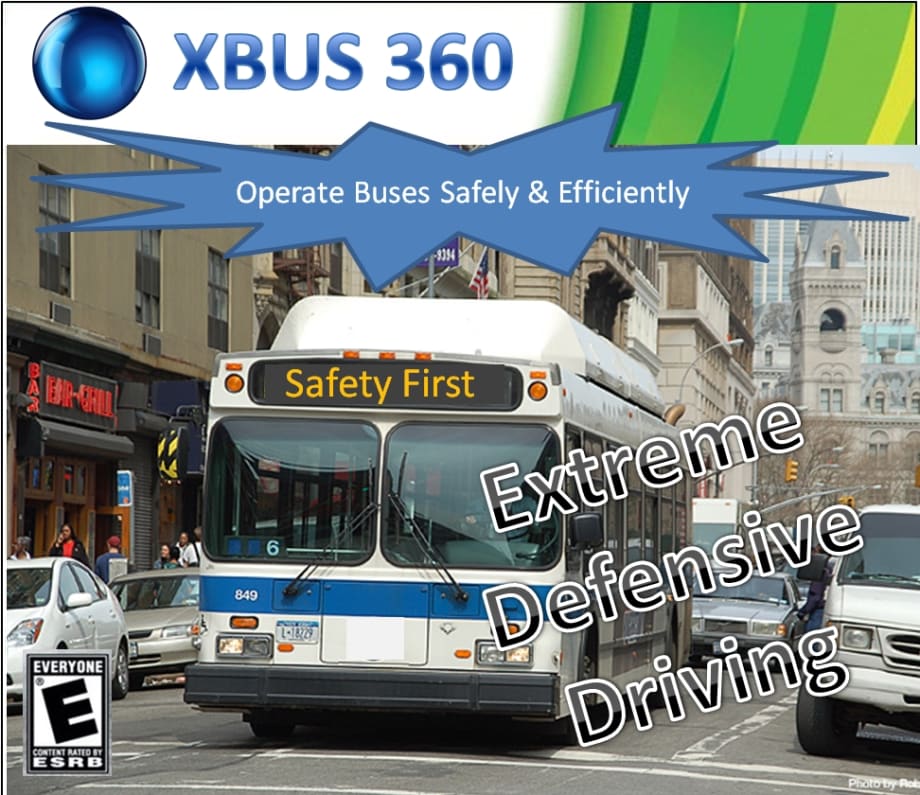
I may be all alone on this one, but I discovered that my kids (who were not allowed to play “shooter” video games) developed a distinct style of driving (and a lot of unsafe habits) while playing their video driving games as pre-teens and young teenagers. In fact, I wound up spending a great deal of my time trying to undo these habits and deep set tendencies while my boys still had their learner's permits.
I would much rather have had my boys playing a video game that could have taught them how to drive defensively, but I never managed to find “Extreme Defensive Driving” at the local Game Stop. I'm afraid such a game would lack the mass appeal of titles, such as "Need for Speed," "Fast & Furious," or "Grand Theft Auto."
To re-program my “top guns,” I borrowed much of what I learned from sitting in on training sessions at various transit properties. As a result, we talked about things such as forward planning, maintaining a safe following distance, speed management (slower is better), and looking for those "tip offs" that often indicate potential hazards before they occur.
RELATED:Are your bus operators square?
If you were tasked with putting together your own video game, titled "Extreme Defensive Driving" — what kind of things would it include? Are there key phrases that you could use to trigger a safe response in your students or to reinforce desired driving behaviors? Would your message change if you were teaching your own children rather than your operational staff? What are some of the “tip offs” you would include?
Here’s a few to get you started with your own lists:
Someone driving in and out of their lane.
Crosswalk signal flashing to indicate a “stale” green condition.
Exhaust coming out of a parked car with wheels turned left.
I’m sure you can think of many more “tip offs” to add, so feel free to leave some ideas in the comments section below.
Check your list to ensure that your instructors are using memorable phrases to evoke safe driving responses from your new hires and veterans alike.
The goal is to raise your level of training to be as engaging as the games we play on our computers. Maybe this fun, little exercise will help you surface new ideas or identify small gaps in your programs, that when filled, will benefit your bus operators.
In case you missed it...
Read our previous blog, "When Does Technology on Buses Become the Problem?"
More Blog Posts
Improving Transit Accessibility by Offering Assistive Listening
Did you know that there are literally tens of millions of people worldwide with hearing loss, many of whom will use some form of public transit at some point?
Read More →
35 Years of the ADA, Making Travel Easier for Seniors
Thirty-five years after the passage of the Americans with Disabilities Act of 1990 (ADA), the impact of this landmark piece of civil rights legislation cannot be overstated.
Read More →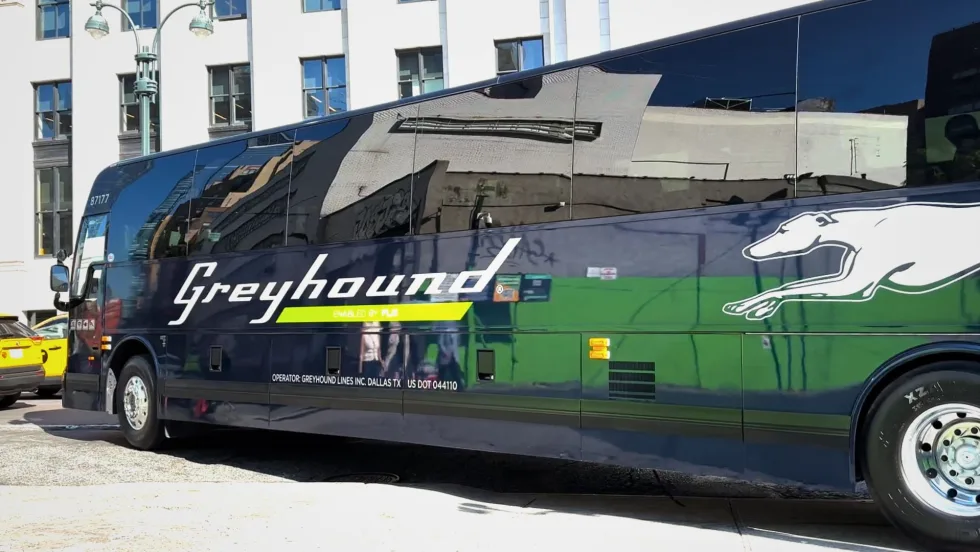
Driving Performance with Purpose: How I Lead One of Greyhound’s Top Teams
Safety, on-time performance, and customer experience are critical elements in intercity bus operations. But getting them right doesn’t come down to plans or protocols alone. It comes down to execution. How well your team performs on the ground, in real time, is what defines success.
Read More →
Navigating Emerging Privacy Laws: A Call to Action for Service Providers in Mass Transit
With Data Privacy Day Jan. 28, I want to spotlight a critical challenge faced by service providers in the mass transit sector: managing personal information responsibly in an era of rapidly evolving privacy regulations.
Read More →
Human Trafficking Awareness: What Public Transportation Can Do?
January is National Slavery and Human Trafficking Prevention Month in the U.S., and January 11 is National Human Trafficking Awareness Day.
Read More →
Want to Improve Transit Safety and Operations? Break Down the Silos
Retrieving and reviewing data and video can be a cumbersome process for fleet managers. Each system or tool provides a piece of the puzzle, but seeing the complete picture requires tedious manual synchronization.
Read More →
Ensuring Public Transit Cybersecurity Through Robust Protective Measures
In today’s highly connected world, cybersecurity is of utmost importance, particularly for transportation agencies overseeing transit bus systems that rely increasingly on sophisticated technologies, including the use of data analytics in traffic signal networks, to manage and operate their systems.
Read More →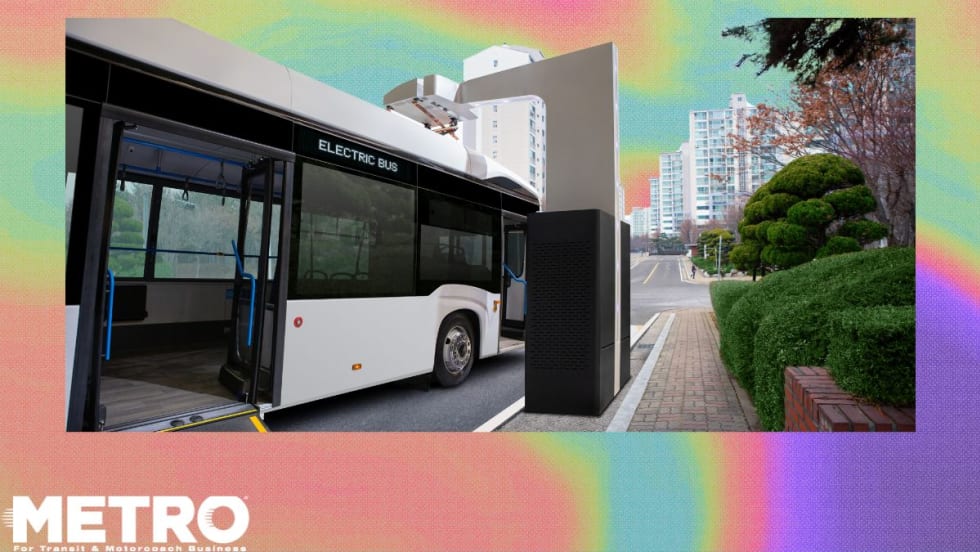
How Advances in Thermal Management Revolutionize Urban Mobility
In the daily hustle and bustle of city life, transit buses serve as the backbone of urban transportation, allowing millions of city dwellers to get from point A to point B each day reliably.
Read More →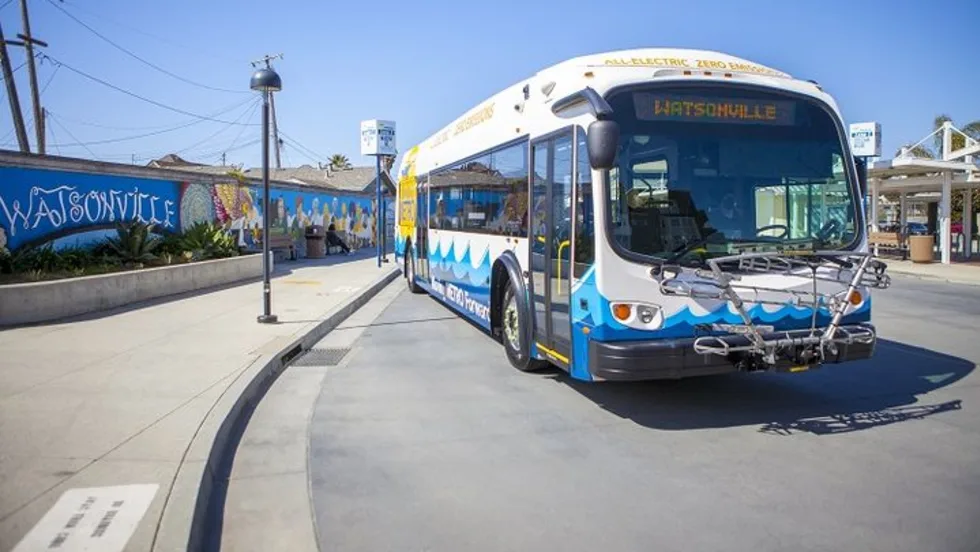
The Evolution of Bus Design
Thirty years ago, drivers not only had to drive the bus and navigate heavy traffic, but they were also responsible for tasks like supervising passenger loading and unloading, selling tickets, and providing passengers with various kinds of information, all while sitting in an often ill-fitting workstation.
Read More →
What 'Transit Safety 101' Really Means
Safety, Safety, Safety. This word is used repeatedly, and in many contexts, without most people understanding what it actually means.
Read More →