



Rail safety leader 'honored to be honored'
Congratulations to METRO Magazine on celebrating its 110th year of serving the rail and transit industry! I was excited and, frankly, stunned to learn that I was named one of METRO’s 20 “Most Influential People of the Decade” as part of the magazine’s observance of this milestone. Being included in the company of these well-known and respected transportation professionals and policymakers is a rewarding and humbling experience, and underscores the benefits of working together to further improve the safety and efficiency of public transportation.

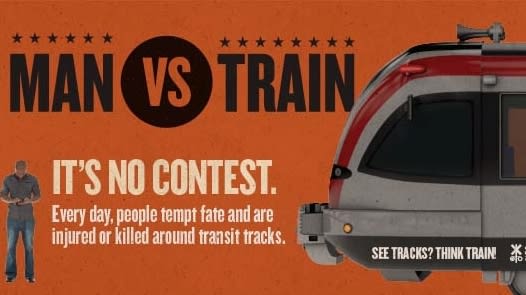
OLI partnered with a number of transit agencies across the U.S. to raise awareness on safety issues with its“See Tracks? Think Train!” campaign (billboard art shown).

OLI partnered with a number of transit agencies across the U.S. to raise awareness on safety issues with its“See Tracks? Think Train!” campaign (billboard art shown).
Congratulations to METRO Magazine on celebrating its 110th year of serving the rail and transit industry! I was excited and, frankly, stunned to learn that I was named one of METRO’s 20 “Most Influential People of the Decade” as part of the magazine’s observance of this milestone. Being included in the company of these well-known and respected transportation professionals and policymakers is a rewarding and humbling experience, and underscores the benefits of working together to further improve the safety and efficiency of public transportation.

RELATED:Reinforcing Rail Safety to Prevent Crossing and Trespassing Incidents
As President and CEO of Operation Lifesaver Inc. (OLI), the national rail safety education organization whose mission is to end collisions, deaths and injuries at highway-rail grade crossings and on rail property, it’s my view that being recognized as an individual who has favorably influenced the public transportation industry in the last 10 years reflects the positive reputation of Operation Lifesaver in the transit community.
During my 25 years as a Congressional staffer, I strongly supported effective public transportation and providing consistent and adequate funding to achieve that goal. Several pieces of legislation that I helped develop, which went on to be enacted by Congress — SAFETEA-LU, PRIIA, and MAP 21 — feature public transportation and passenger rail provisions meant to strengthen, improve and grow these services in the U.S.
It’s exciting to see the continuing rise in transit and passenger rail ridership. However, as this sector continues its growth there is a need for an increased national focus on transit and passenger rail safety. This is where Operation Lifesaver comes in. The greatest area of risk in transit or passenger rail safety is people driving, walking, or bicycling in an unsafe manner around crossings and tracks, or acting carelessly on station platforms. Operation Lifesaver acts to educate the public about these risks, and teach safe and responsible behavior around railroads and transit systems — whether as a passenger, driver, cyclist or pedestrian. This year we have partnered with a number of transit agencies across the U.S. to raise awareness on safety issues with our “See Tracks? Think Train!” campaign.
Two of my fellow influential honorees from METRO Magazine’s list are helping lead the charge to improve the safety of our nation’s transit systems.
Under the leadership of Peter Rogoff, former Federal Transit Administration (FTA) Administrator and now Under Secretary for Policy at the U.S. DOT, FTA promulgated draft rules that recommend the adoption of a comprehensive Safety Management System approach for transit safety. Public outreach and education programs, like Operation Lifesaver, can be an integral part of an effective Safety Management System, and my organization is looking forward to working directly with transit agencies and operators of public transportation on improving safety through public education and outreach.
Since I began my tenure as OLI President, Michael Melaniphy, president of the American Public Transportation Association (APTA), has done everything in his power to support and cooperatively partner with Operation Lifesaver. A collaborative agreement between APTA and OLI is allowing our two organizations to jointly develop educational and public outreach safety products, partner on the distribution of safety campaign materials, and ensure that our organizations’ policies and positions on rail and transit safety are consistent. In the coming year, OLI is looking forward to working with APTA on a new safety education program for transit bus operators regarding highway-rail grade crossing safety.
Again, I am honored to be a part of METRO Magazine’s list of Most Influential People of the Decade, and I look forward to greater collaboration to improve safety in the transit industry in the next decade — and beyond.
More Blog Posts
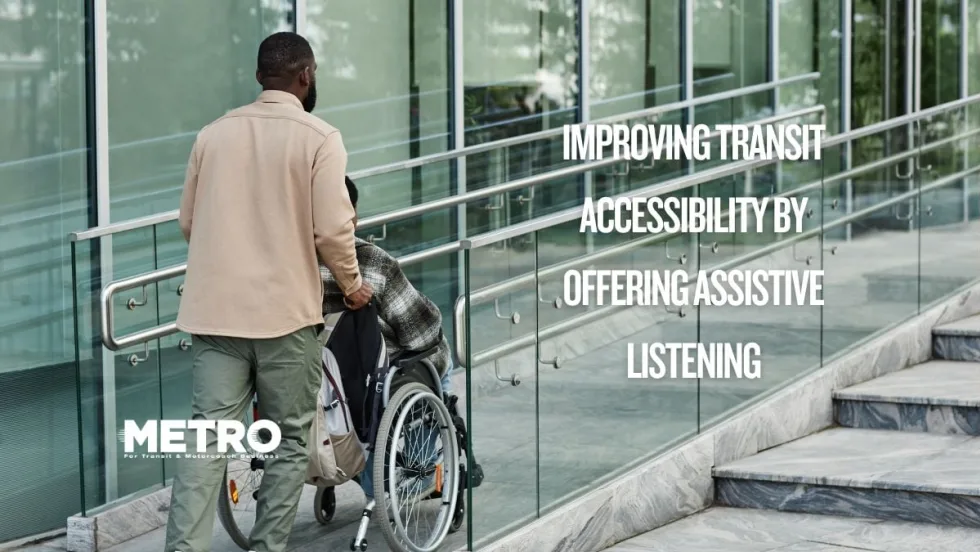
Improving Transit Accessibility by Offering Assistive Listening
Did you know that there are literally tens of millions of people worldwide with hearing loss, many of whom will use some form of public transit at some point?
Read More →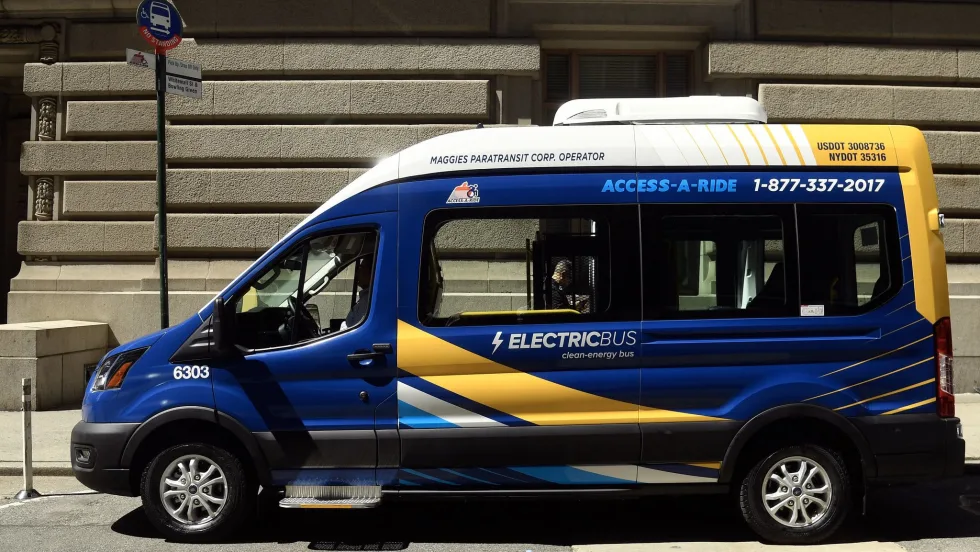
35 Years of the ADA, Making Travel Easier for Seniors
Thirty-five years after the passage of the Americans with Disabilities Act of 1990 (ADA), the impact of this landmark piece of civil rights legislation cannot be overstated.
Read More →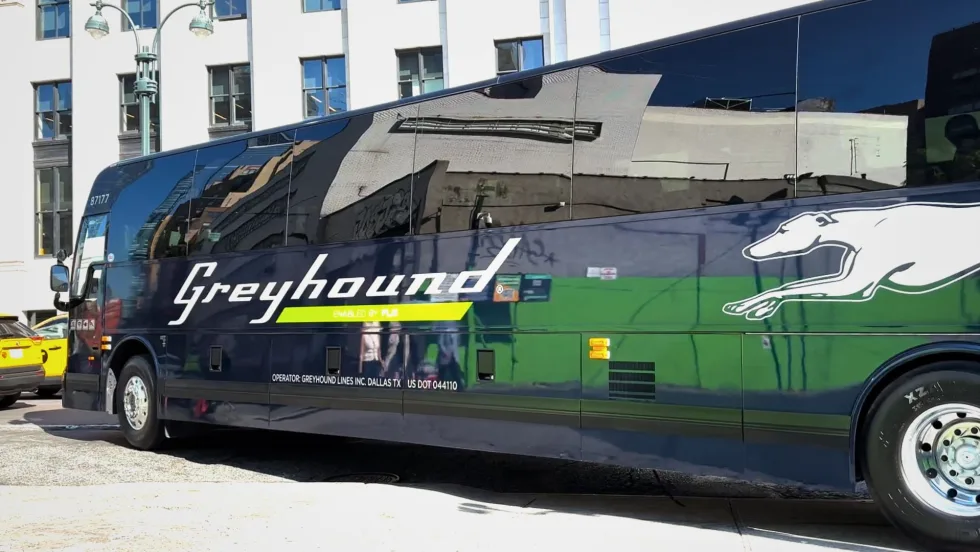
Driving Performance with Purpose: How I Lead One of Greyhound’s Top Teams
Safety, on-time performance, and customer experience are critical elements in intercity bus operations. But getting them right doesn’t come down to plans or protocols alone. It comes down to execution. How well your team performs on the ground, in real time, is what defines success.
Read More →
Navigating Emerging Privacy Laws: A Call to Action for Service Providers in Mass Transit
With Data Privacy Day Jan. 28, I want to spotlight a critical challenge faced by service providers in the mass transit sector: managing personal information responsibly in an era of rapidly evolving privacy regulations.
Read More →
Human Trafficking Awareness: What Public Transportation Can Do?
January is National Slavery and Human Trafficking Prevention Month in the U.S., and January 11 is National Human Trafficking Awareness Day.
Read More →
Want to Improve Transit Safety and Operations? Break Down the Silos
Retrieving and reviewing data and video can be a cumbersome process for fleet managers. Each system or tool provides a piece of the puzzle, but seeing the complete picture requires tedious manual synchronization.
Read More →
Ensuring Public Transit Cybersecurity Through Robust Protective Measures
In today’s highly connected world, cybersecurity is of utmost importance, particularly for transportation agencies overseeing transit bus systems that rely increasingly on sophisticated technologies, including the use of data analytics in traffic signal networks, to manage and operate their systems.
Read More →
How Advances in Thermal Management Revolutionize Urban Mobility
In the daily hustle and bustle of city life, transit buses serve as the backbone of urban transportation, allowing millions of city dwellers to get from point A to point B each day reliably.
Read More →
The Evolution of Bus Design
Thirty years ago, drivers not only had to drive the bus and navigate heavy traffic, but they were also responsible for tasks like supervising passenger loading and unloading, selling tickets, and providing passengers with various kinds of information, all while sitting in an often ill-fitting workstation.
Read More →
What 'Transit Safety 101' Really Means
Safety, Safety, Safety. This word is used repeatedly, and in many contexts, without most people understanding what it actually means.
Read More →