



Urban and rural transit, different yet similar
National RTAP and its partner organizations, the FTA and the National Tribal Transit Association, will sponsor a national conference on March 18 to 21, 2012 at the Radisson, Fort McDowell Hotel near Scottsdale, Ariz.

Public transit in rural and small urban areas is provided primarily to those groups who are dependent on this form of transportation, such as the elderly and disabled. Public transit includes buses, commuter rail, demand response services, light rail and vanpools. This service is primarily local in nature.
National RTAP and its partner organizations, the Federal Transit Administration and the National Tribal Transit Association, will sponsor a national conference on March 18 to 21, 2012 at the Radisson, Fort McDowell Hotel near Scottsdale, Ariz.
Unique issues facing rural and small urban properties will be discussed. The company I consult for, FAAC Incorporated, is providing its shuttle van driver training simulator to raise awareness of the capabilities of simulator supplemental training in rural training programs. Having a simulator there will provide a great opportunity to participate in determining corrective action solutions to some of the most frequently occurring collisions facing rural and small urban properties.
At the conference I am slated to conduct three educational sessions on driver training simulation as a means toward negating the challenges faced by rural operators. The sessions will include an overview on what a simulator training program looks like, how to introduce a simulator into the 'basic skill development' portion of a training program and how to work with veteran operators. If you are planning to attend, please stop by and say 'hi.' FAAC has a booth, and you can find me there or in a special room where the simulator will be set up. See how this technology can ensure that a leading collision for one year does not repeat itself the following year.
My dealings in surface transit were mostly centered on buses that were between 40 feet and 60 feet in length. Approximately 99% of the time these buses were serving the needs of customers within the five boroughs of New York. Bus collision types did not vary much among large transit agencies then, and I find that to still be true. Recently, however, while accumulating data on rural transit issues, I immediately noticed the differences in collision types versus larger agencies. In agencies equipped with larger vehicles, where backing is discouraged by increased forward-planning applications, backing collisions resulting in contact with fixed objects were right at the top of the list for one regional rural property. There were several other findings, but I am not privileged to list them all in this blog.
Corrective action training in the prevention of incidents/collisions, along with having standard operating procedures in place, will contribute to safe operations among all transit agencies, small or large. Standardized training for new hires, providing annual refresher training for all operators, and being proactive with regard to reducing high-profile, frequently occurring incidents, are all key elements of a complete training solution package.
Adequate training should be provided in:
Boarding and alighting.
Special needs individuals.
Dealing with difficult passengers.
Wheelchair lift operation and securement.
Vehicle fires and evacuation.
Personal safety.
People skills are at a premium due to the greater personalized interaction within rural and small urban agencies, and between customers/passengers and the vehicle operators.
In case you missed it...
Read our METRO blog, "OCTA CEO: Planes, trains and automobiles - but what about bikes?" here.
More Blog Posts
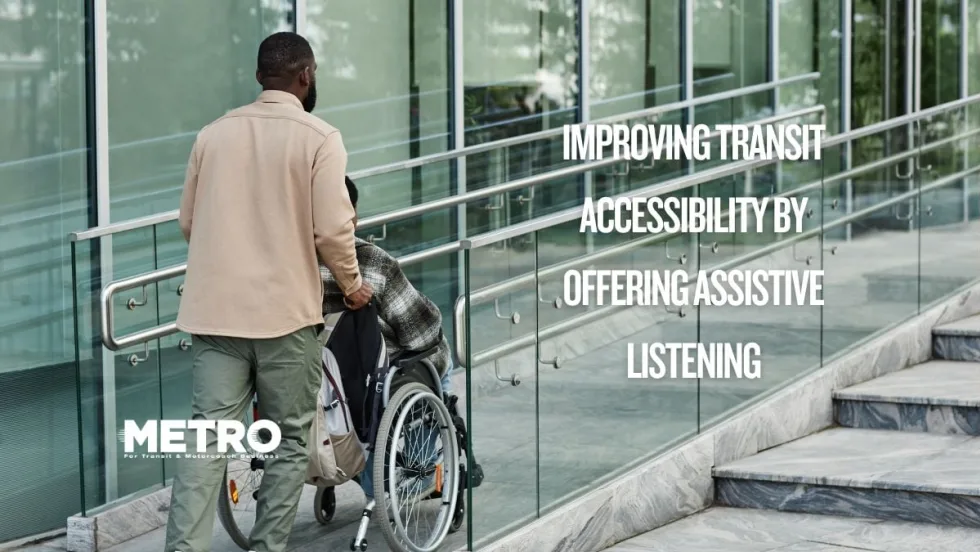
Improving Transit Accessibility by Offering Assistive Listening
Did you know that there are literally tens of millions of people worldwide with hearing loss, many of whom will use some form of public transit at some point?
Read More →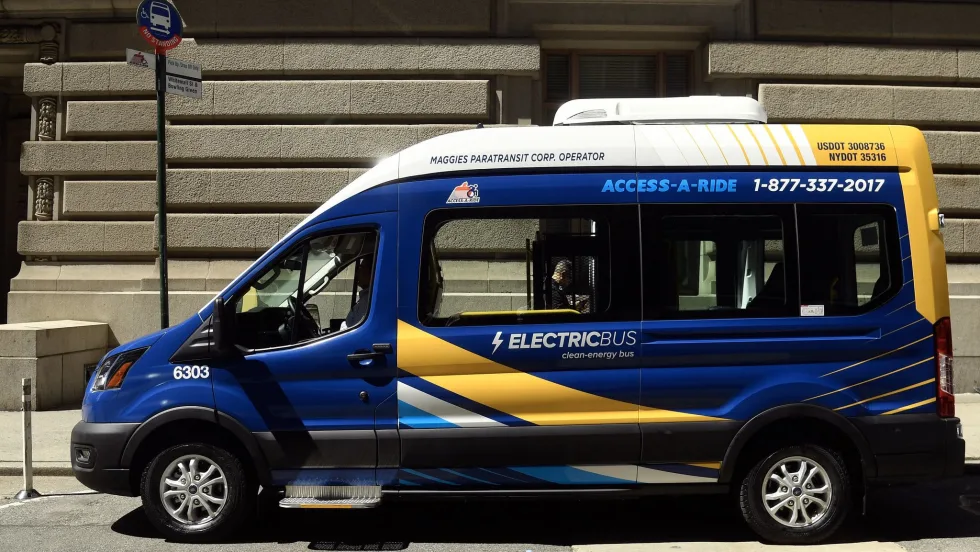
35 Years of the ADA, Making Travel Easier for Seniors
Thirty-five years after the passage of the Americans with Disabilities Act of 1990 (ADA), the impact of this landmark piece of civil rights legislation cannot be overstated.
Read More →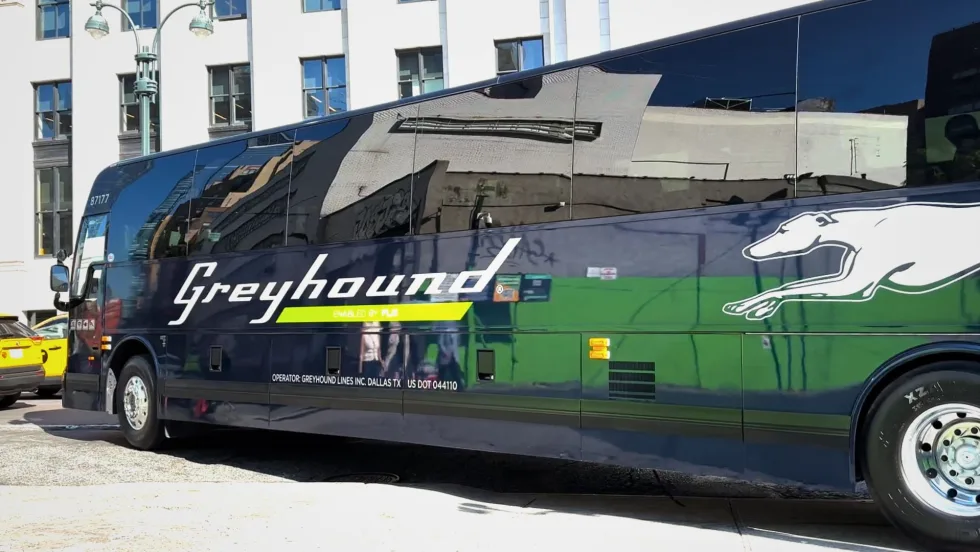
Driving Performance with Purpose: How I Lead One of Greyhound’s Top Teams
Safety, on-time performance, and customer experience are critical elements in intercity bus operations. But getting them right doesn’t come down to plans or protocols alone. It comes down to execution. How well your team performs on the ground, in real time, is what defines success.
Read More →
Navigating Emerging Privacy Laws: A Call to Action for Service Providers in Mass Transit
With Data Privacy Day Jan. 28, I want to spotlight a critical challenge faced by service providers in the mass transit sector: managing personal information responsibly in an era of rapidly evolving privacy regulations.
Read More →
Human Trafficking Awareness: What Public Transportation Can Do?
January is National Slavery and Human Trafficking Prevention Month in the U.S., and January 11 is National Human Trafficking Awareness Day.
Read More →
Want to Improve Transit Safety and Operations? Break Down the Silos
Retrieving and reviewing data and video can be a cumbersome process for fleet managers. Each system or tool provides a piece of the puzzle, but seeing the complete picture requires tedious manual synchronization.
Read More →
Ensuring Public Transit Cybersecurity Through Robust Protective Measures
In today’s highly connected world, cybersecurity is of utmost importance, particularly for transportation agencies overseeing transit bus systems that rely increasingly on sophisticated technologies, including the use of data analytics in traffic signal networks, to manage and operate their systems.
Read More →
How Advances in Thermal Management Revolutionize Urban Mobility
In the daily hustle and bustle of city life, transit buses serve as the backbone of urban transportation, allowing millions of city dwellers to get from point A to point B each day reliably.
Read More →
The Evolution of Bus Design
Thirty years ago, drivers not only had to drive the bus and navigate heavy traffic, but they were also responsible for tasks like supervising passenger loading and unloading, selling tickets, and providing passengers with various kinds of information, all while sitting in an often ill-fitting workstation.
Read More →
What 'Transit Safety 101' Really Means
Safety, Safety, Safety. This word is used repeatedly, and in many contexts, without most people understanding what it actually means.
Read More →