



When Does Technology on Buses Become the Problem?
Technology was not in my vocabulary as a kid, but now it's at the front of the line. I’m not saying I’m against it, but could we step back a moment and catch our breath when it comes to technology and bus operations? It seems what used to be a fairly unobstructed view of the road ahead, and to the sides of the bus using simple dashboards and adequately sized mirrors, now appears to resemble a cockpit of the world’s most sophisticated aircraft.

DRs Kulturarvsprojekt
DRs Kulturarvsprojekt
OK, I loved playing stick-ball, curb-ball and defending our turf in the South Bronx. You were known by the street you lived on. No one but no one got away with doing anything out of the ordinary on our turf. Giving and getting some lumps were part of hanging out. We all thought we were extras in the musical West Side Story by the way we conducted ourselves. The strangest thing was right after you straightened out any issues with bare knuckles you usually ended up being friends with the person you just bloodied. Go figure!
Then there were the finer things in life such as Topps bubble gum, which was included in every pack of Topps baseball cards, and Bazooka gum which usually removed any fillings that were in your mouth. The chance that you would get a Mantle or Mays in that Topps pack made all the cavities worth it. Original Drakes Ring Dings and a Vanilla Egg Cream (milk, syrup seltzer, but no egg!) was the bomb!
Technology was not in my vocabulary as a kid, but now it's at the front of the line. I’m not saying I’m against it, but could we step back a moment and catch our breath when it comes to technology and bus operations? It seems what used to be a fairly unobstructed view of the road ahead, and to the sides of the bus using simple dashboards and adequately sized mirrors, now appears to resemble a cockpit of the world’s most sophisticated aircraft.
Large fareboxes, over-sized interior and exterior mirrors, camera mounts and wide A-Frames, to name a few, make it more difficult for the operator to conduct "meaningful information gathering" scans through the windshield and through each exterior mirror.
RELATED:BusCon 2014: Hot Products
If that's not enough, along comes bike racks. “Why don't we just place them on the front of the bus,” someone suggested. And we did. Bikes are meant to be ridden, not to be at risk of causing an obstruction to the bus operator. Again, probably suggested by someone who has never had to operate a bus for a living, maintain a schedule, interact with customers, traffic, supervision, and deal with weather issues…Oh, and all of these things have to be handled in a safe manner, no exceptions.
With all that is occurring ahead and to the sides of the bus, the operator needs fewer obstructions not more. Add a little fog, rain and a weak defroster and who knows what's in the path of the bus?
Bus operators require a large, clear, unobstructed view of the road. We can start by increasing the depth of the front windshield, which will permit the operator to capture more information by increasing the amount of real estate that will become visible directly in front of the bus. Some bus manufacturers have already done this, but they seem to be a minority, not the majority.
Reducing the thickness of the A-Frame and, perhaps a smaller fare box can help, too. A-Frame issues and mirror size/mirror placement discussions always generate heated discussions among transit professionals.
Let's ensure that the tools we give our bus operators are helping and not hurting their performance. Favor those tools that do not divert the operator’s attention away from the task at hand. Ensure placement does not interfere with the operator’s view. Get involved in the decisions regarding what "technology" is being considered for your fleet.
Keep the operators well-being first.
To those agencies that already have a member of their training department providing input on which mirror type -- and other operator compartment additions — being considered, good job. If this is not happening and the person who makes the decisions on what technological items will be added and where they are placed is someone who has never driven a bus in passenger service at 5 p.m. on a Friday afternoon in inclement weather, with a standing load, then you probably have the wrong person making the decision. Just because some types of technology may do well in automobiles, don't make the crucial mistake of believing it will be successful on buses. Training personnel needs to make that decision, period.
Ah, to have my Mickey Mantle rookie card back in my hands once again. Technology, let’s take a good look at it when it comes to bus operations. Keep what helps, discard what hinders.
NOTE: Hi folks, here's the link from Steve Mentzer's comment below.
Louie is the former director of training for the New York City Transit Dept. of Buses Safety & Training Division and 2003 NTI Fellow. Currently, he is sr. consultant/SME in transit training & bus simulation at L-3 D.P. Associates and independent consultant at "Bus Talk" Surface Transit Solutions.
In case you missed it...
Read our previous blog, "Are your bus operators square?"
More Blog Posts
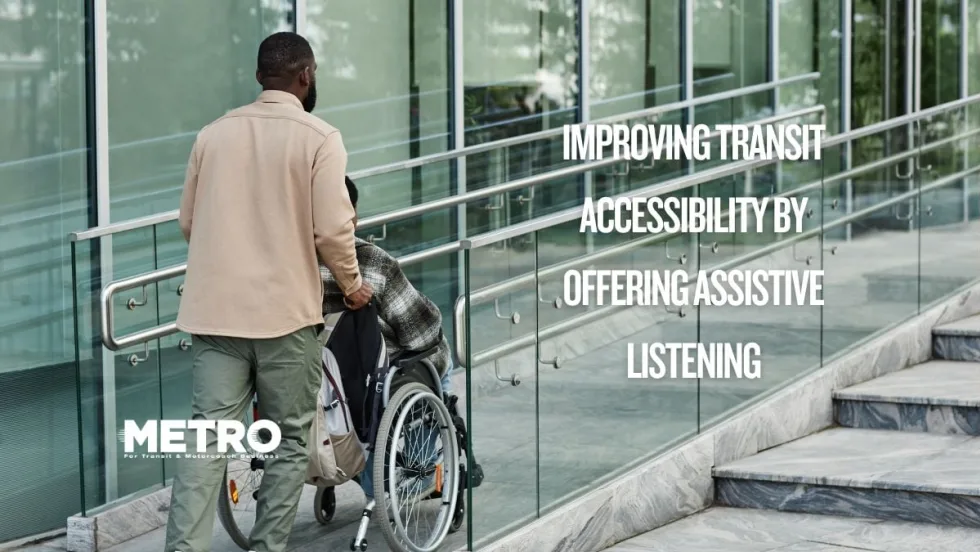
Improving Transit Accessibility by Offering Assistive Listening
Did you know that there are literally tens of millions of people worldwide with hearing loss, many of whom will use some form of public transit at some point?
Read More →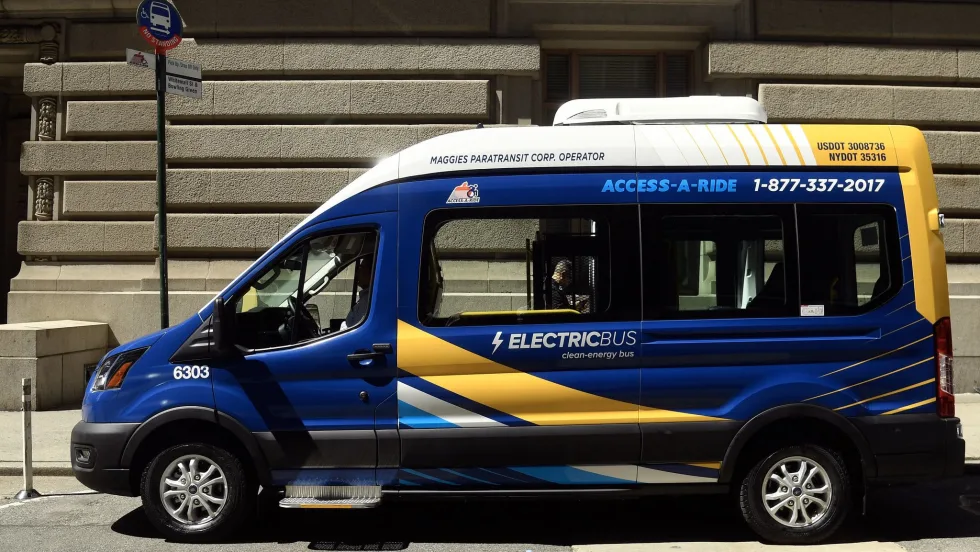
35 Years of the ADA, Making Travel Easier for Seniors
Thirty-five years after the passage of the Americans with Disabilities Act of 1990 (ADA), the impact of this landmark piece of civil rights legislation cannot be overstated.
Read More →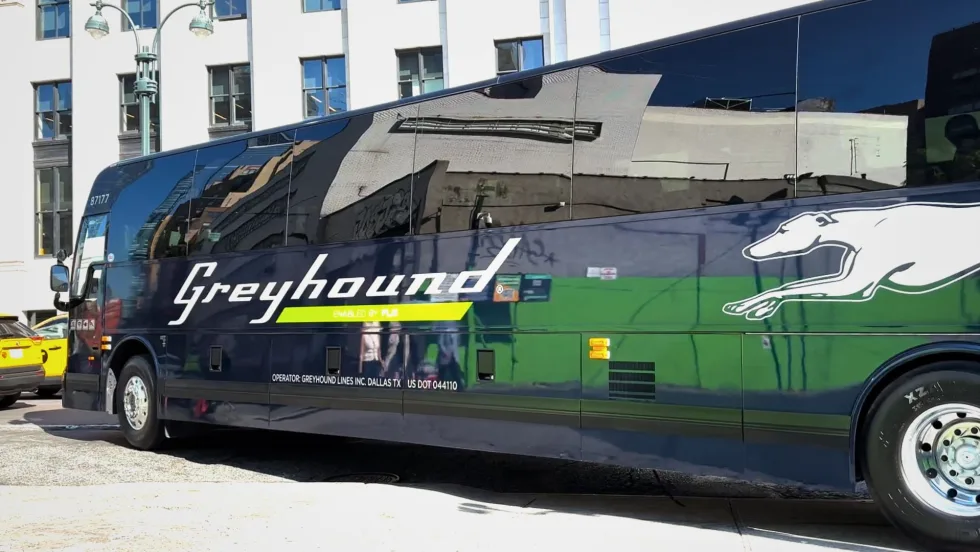
Driving Performance with Purpose: How I Lead One of Greyhound’s Top Teams
Safety, on-time performance, and customer experience are critical elements in intercity bus operations. But getting them right doesn’t come down to plans or protocols alone. It comes down to execution. How well your team performs on the ground, in real time, is what defines success.
Read More →
Navigating Emerging Privacy Laws: A Call to Action for Service Providers in Mass Transit
With Data Privacy Day Jan. 28, I want to spotlight a critical challenge faced by service providers in the mass transit sector: managing personal information responsibly in an era of rapidly evolving privacy regulations.
Read More →
Human Trafficking Awareness: What Public Transportation Can Do?
January is National Slavery and Human Trafficking Prevention Month in the U.S., and January 11 is National Human Trafficking Awareness Day.
Read More →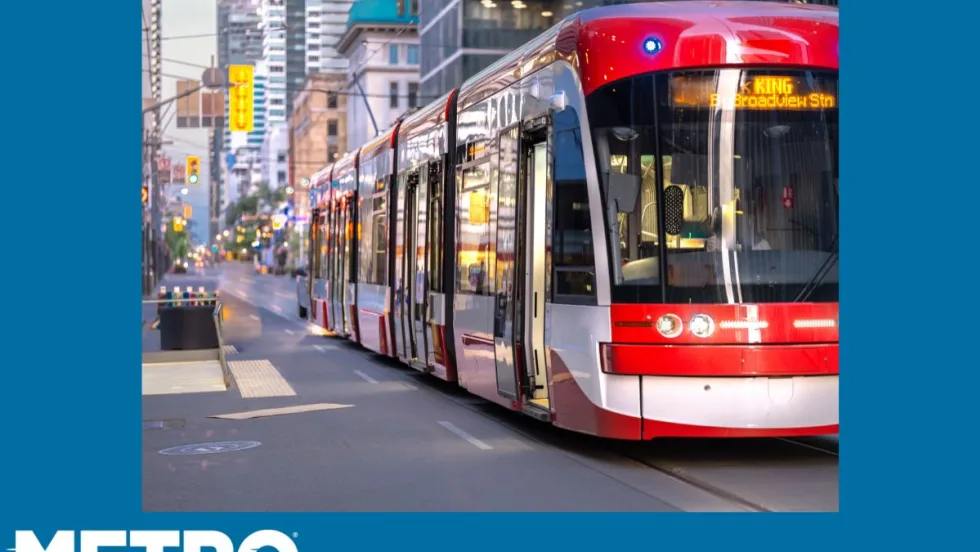
Want to Improve Transit Safety and Operations? Break Down the Silos
Retrieving and reviewing data and video can be a cumbersome process for fleet managers. Each system or tool provides a piece of the puzzle, but seeing the complete picture requires tedious manual synchronization.
Read More →
Ensuring Public Transit Cybersecurity Through Robust Protective Measures
In today’s highly connected world, cybersecurity is of utmost importance, particularly for transportation agencies overseeing transit bus systems that rely increasingly on sophisticated technologies, including the use of data analytics in traffic signal networks, to manage and operate their systems.
Read More →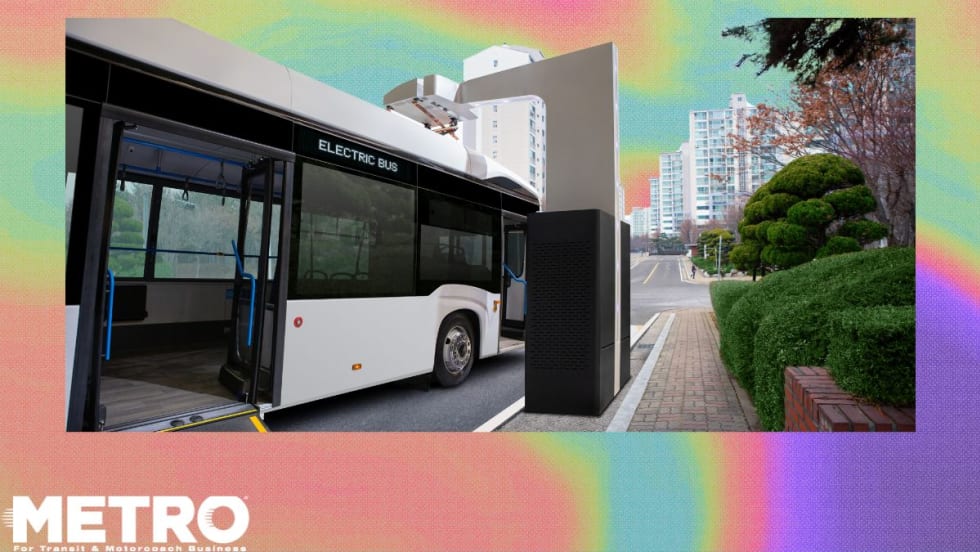
How Advances in Thermal Management Revolutionize Urban Mobility
In the daily hustle and bustle of city life, transit buses serve as the backbone of urban transportation, allowing millions of city dwellers to get from point A to point B each day reliably.
Read More →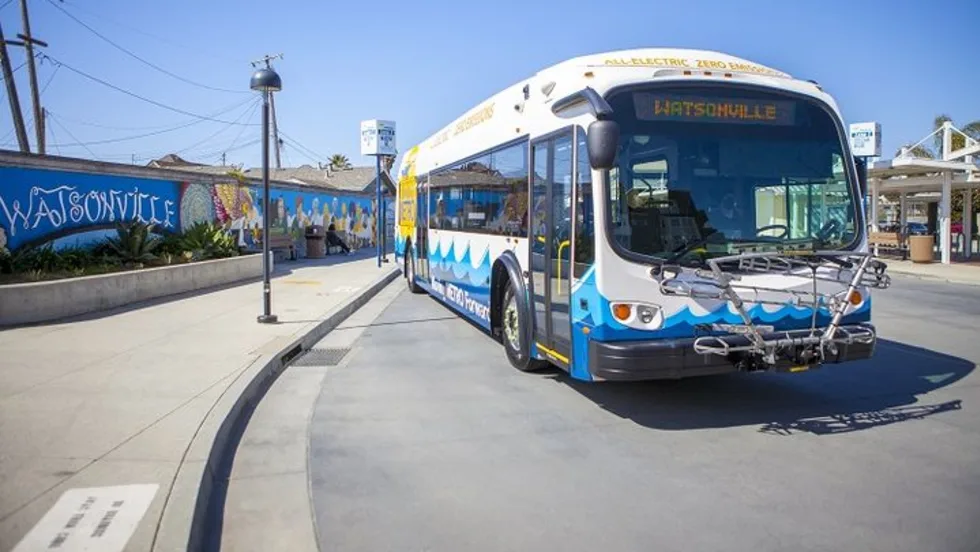
The Evolution of Bus Design
Thirty years ago, drivers not only had to drive the bus and navigate heavy traffic, but they were also responsible for tasks like supervising passenger loading and unloading, selling tickets, and providing passengers with various kinds of information, all while sitting in an often ill-fitting workstation.
Read More →
What 'Transit Safety 101' Really Means
Safety, Safety, Safety. This word is used repeatedly, and in many contexts, without most people understanding what it actually means.
Read More →