Articles
Right-Sizing Rural Transit: Lessons from North Grenville’s On-Demand Model
A small municipality shows how flexible service, rider needs, and public accountability can expand mobility with limited resources.
Read More →

 MENU
 SEARCH
A small municipality shows how flexible service, rider needs, and public accountability can expand mobility with limited resources.
Read More →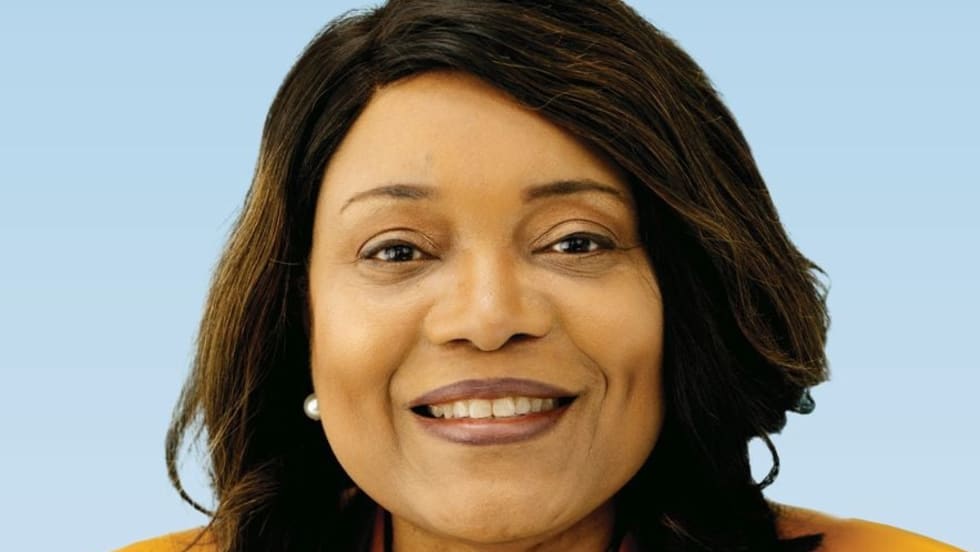
Most recently, Inez Evans was the first black female president and CEO of IndyGo, the largest transit agency in Indiana, where she was a champion for BRT and zero-emission buses.
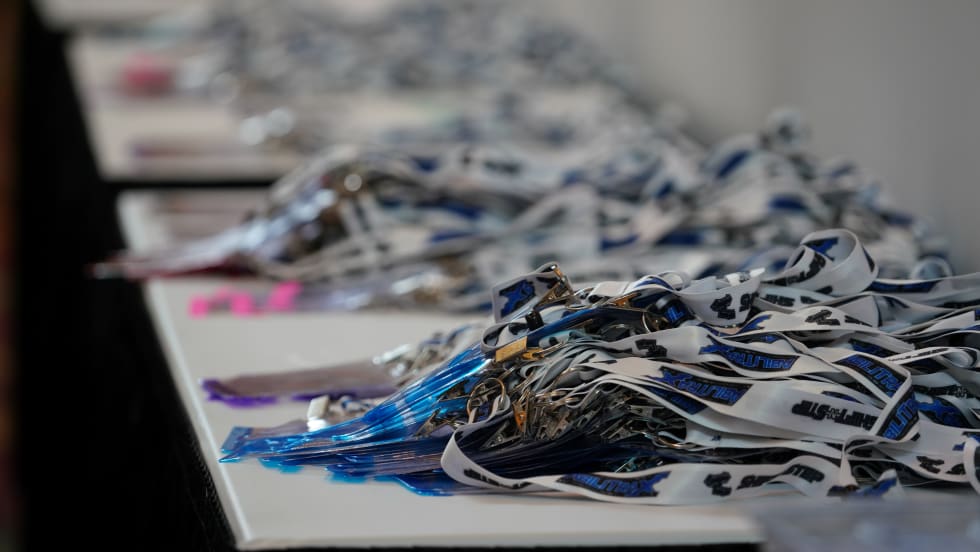
Registration is now open for this one-of-a-kind event.
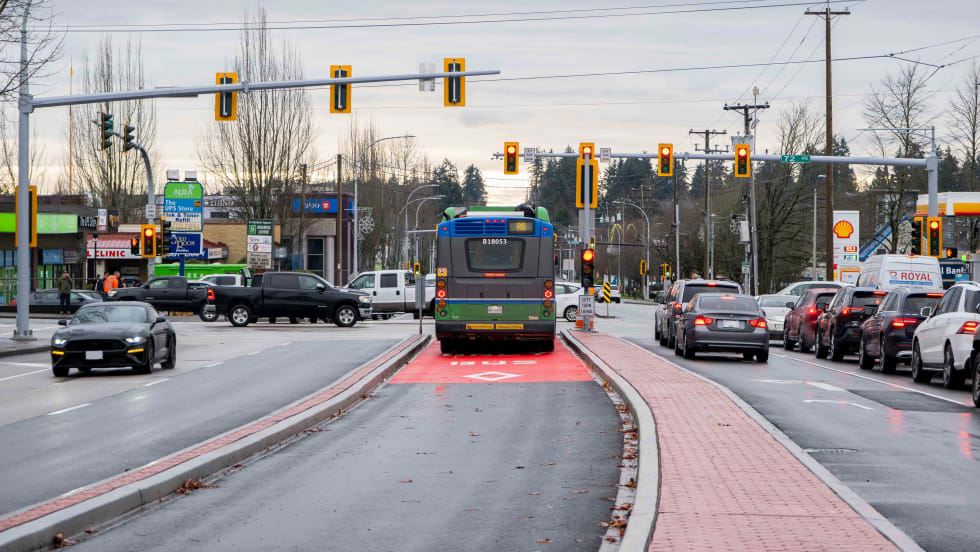
The R6 will provide space for 20% more riders on the busiest bus corridor south of the Fraser River.
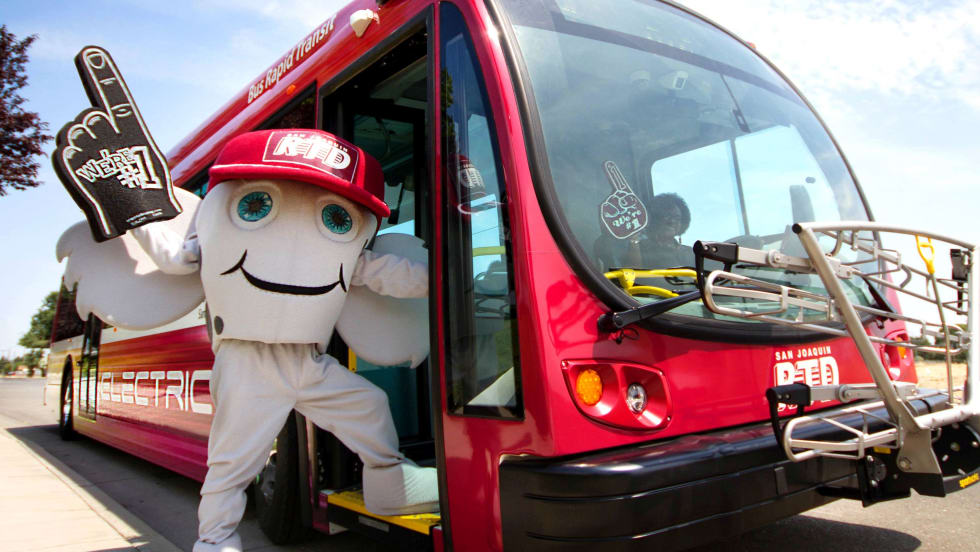
Compared to regular transit service planning, services for special events pose a unique set of challenges to cities of smaller sizes, as well as service providers because they’re non-recurring events without a predictable transit demand.
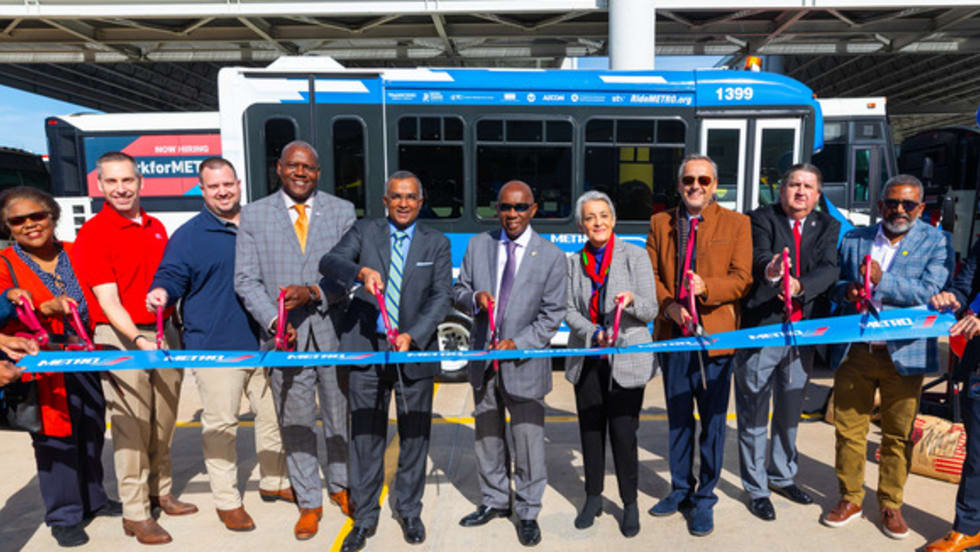
Bus stop enhancements include wider sidewalks, wheelchair ramps, larger bus pads, and tactile paving, which assists pedestrians who are blind or visually impaired.
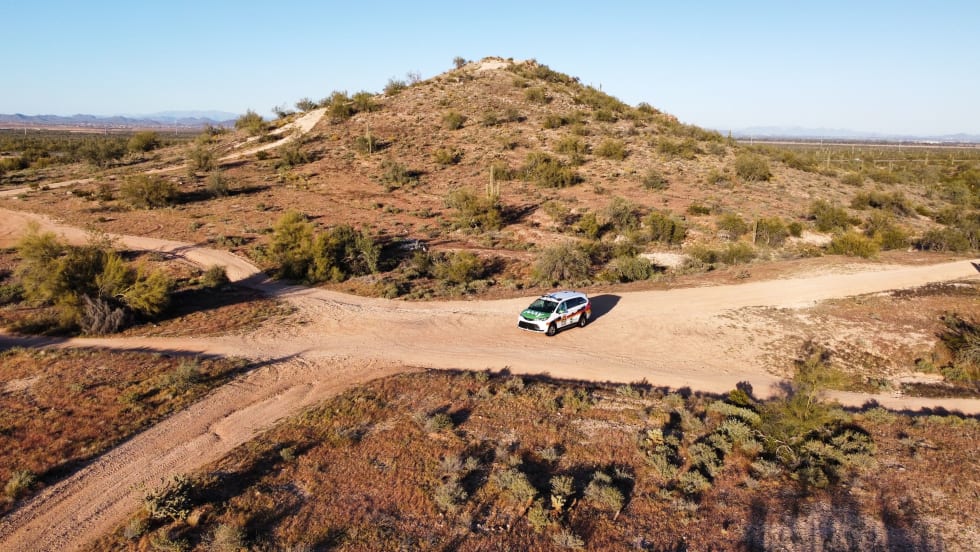
Sun City represents the first of many communities globally where May Mobility aims to launch its rider-only transit services to transform cities by providing accessible, safe, and reliable transportation.
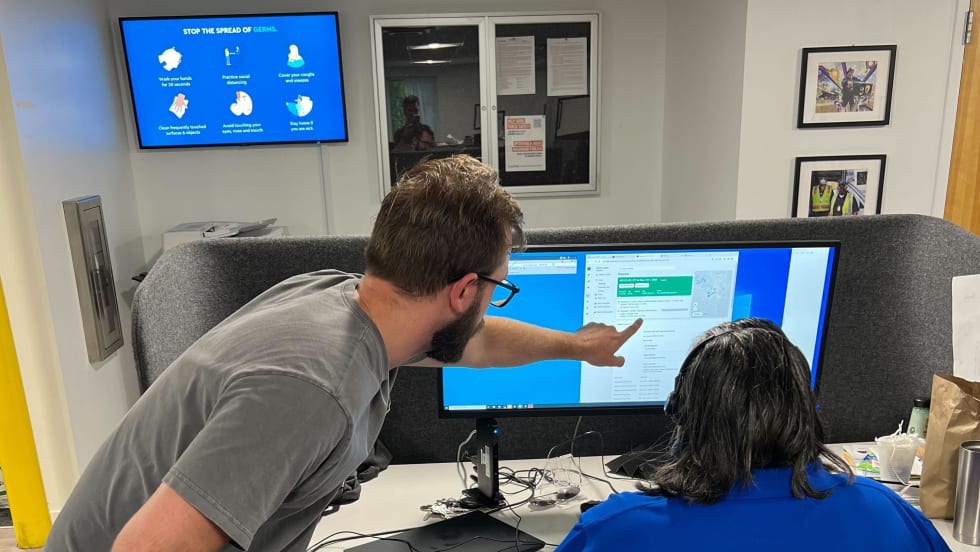
At about 67 days in, Ballentine and Spare’s VP, Customers, Quinn Kliman, joined METRO’s Executive Editor Alex Roman for a webinar that included an extensive Ask Me Anything (AMA) to discuss the partnership and answer questions from industry peers.
FutureLink, part of the second phase of METRO's autonomous vehicle testing program, is a fully autonomous zero-emission shuttle that can operate on city streets.
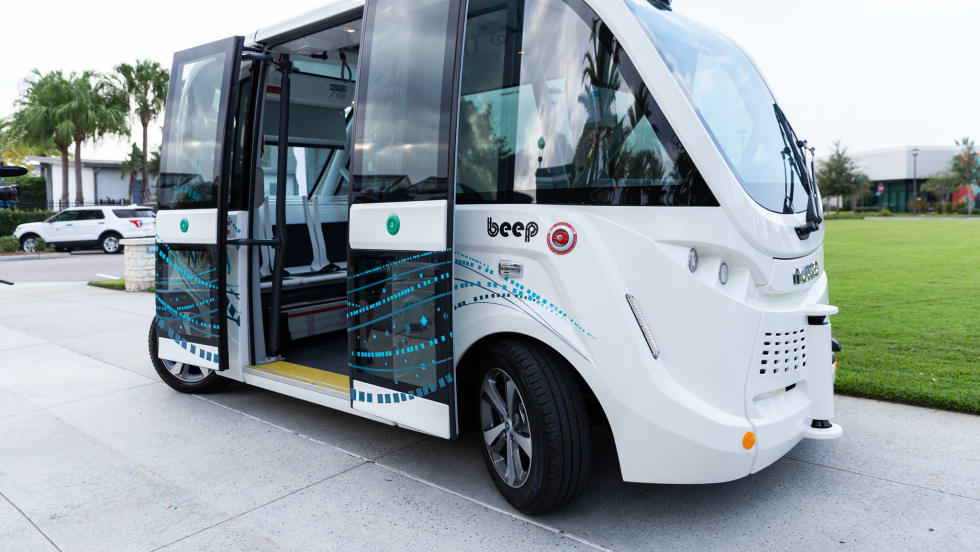
Recipients will use RAV program funding to conduct research regarding the benefits and responsible application of automated vehicles and associated mobility technologies in rural and Tribal communities.
The awards will improve the safety and reliability of movement of people and freight, as well as improve quality of life for rural residents, through investment in critical roads, bridges, and other transportation systems.