Articles
Right-Sizing Rural Transit: Lessons from North Grenville’s On-Demand Model
A small municipality shows how flexible service, rider needs, and public accountability can expand mobility with limited resources.
Read More →

 MENU
 SEARCH
A small municipality shows how flexible service, rider needs, and public accountability can expand mobility with limited resources.
Read More →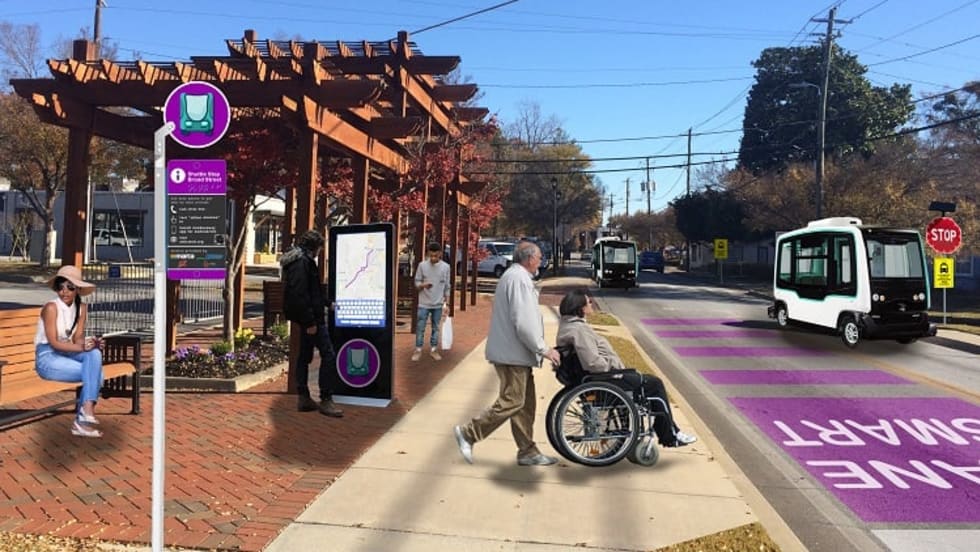
While our society is by and large still assessing the viability of this technology, how to apply it safely and where it might have the most impact, there is little doubt AVs will play a significant role in the future.
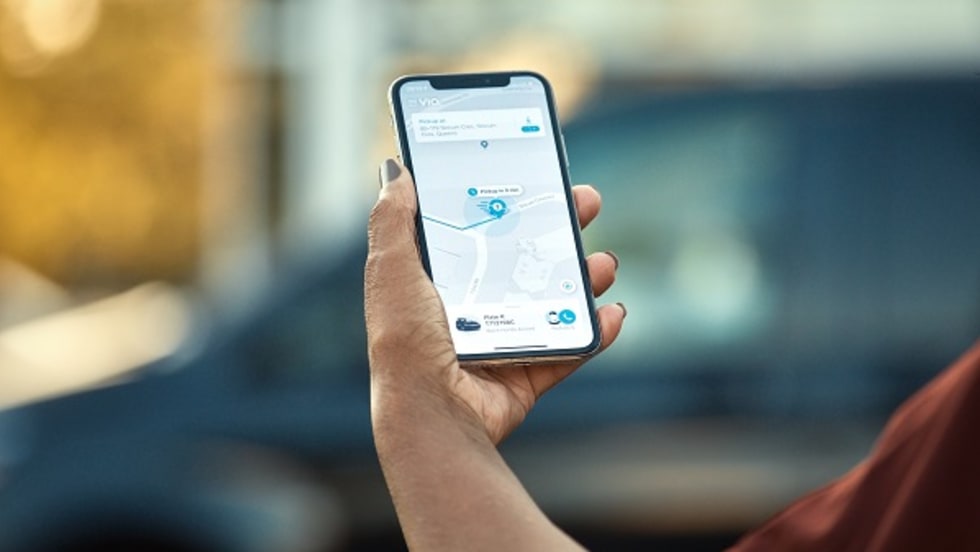
While the pilot was cut short due to COVID-19, researchers say that offering flexible service hours and an increased vehicle occupancy can help evaluate shifting priorities for commuting in a post-pandemic world.
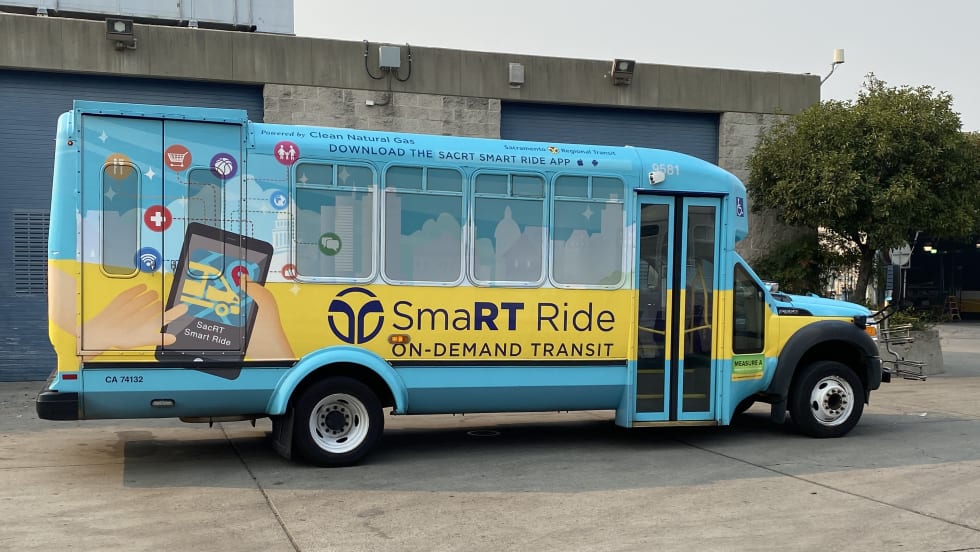
With a total of nine active service zones, the agency’s SmaRT Ride program ensures residents across Sacramento County have access to cleaner, more convenient, and cost-efficient transportation options.
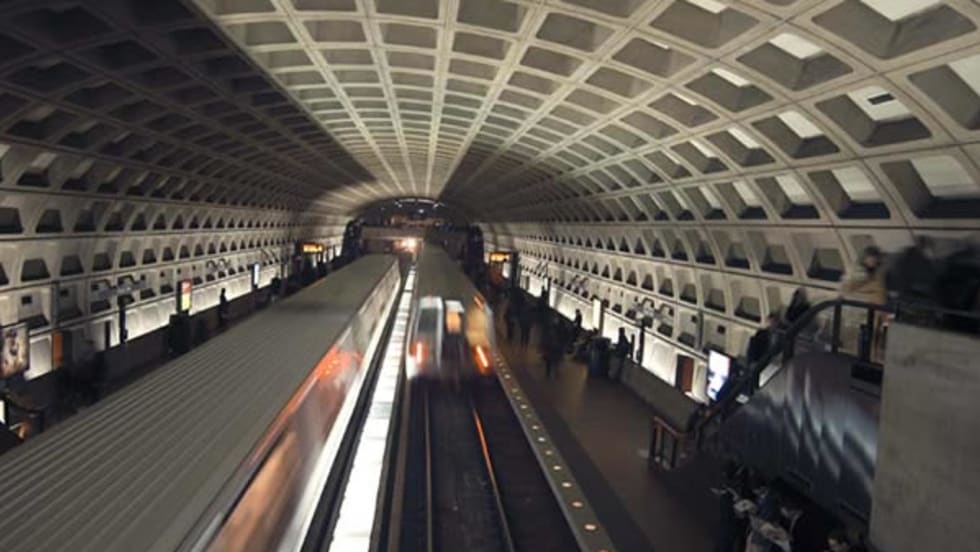
Riders can add their SmarTrip card to Google Pay and use their NFC-enabled Android™ phone for payment, eliminating the need for a physical SmarTrip.

More than 350 transit systems are providing free transportation to vaccination sites or using their transit stations and facilities as vaccination sites, and some have even converted buses and other transit vehicles into mobile clinics.
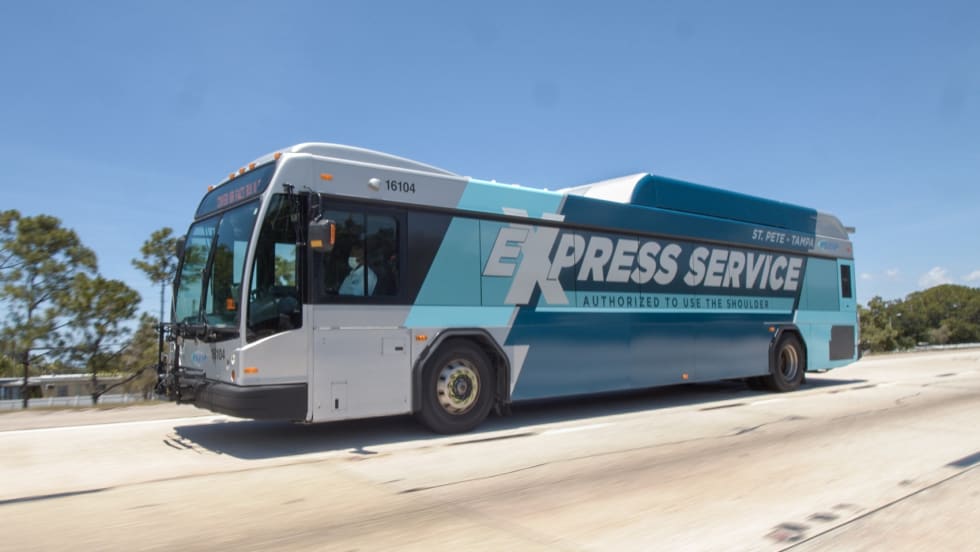
Already used in cities like Chicago, Minneapolis, and Raleigh, Bus-on-Shoulder is a quick, cost-effective way to provide premium service.
One significant opportunity of the venture will be greater integration of the design process, which will set the stage for systems-based solutions.

Founded in 2007, WKE’s expertise in design and construction management includes streets and highway corridors, bridges, runway structures, rail and transit facilities, and ports and harbors.

On the latest episode of METROspectives, he also touches on Greyhound’s decision to cease Canadian operations, how FlixBus is continuing its growth in the U.S., and more.
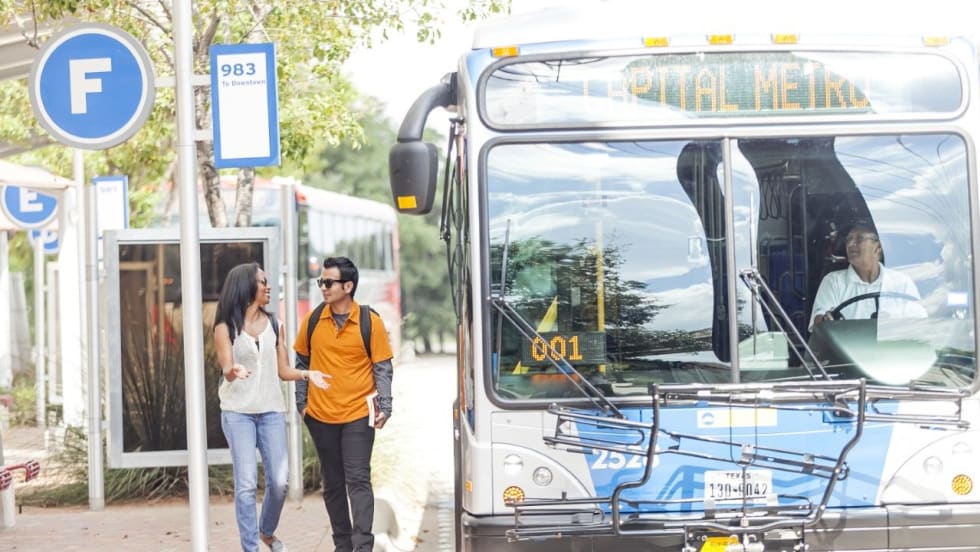
The projects will create hundreds of construction and operations-related jobs and help communities expand transportation options that improve access and mobility for residents.