



Biz Briefs: Montréal Debuts Nova Electric Buses and More
In this edition of Biz Briefs, we spotlight the latest developments shaping the future of mobility.

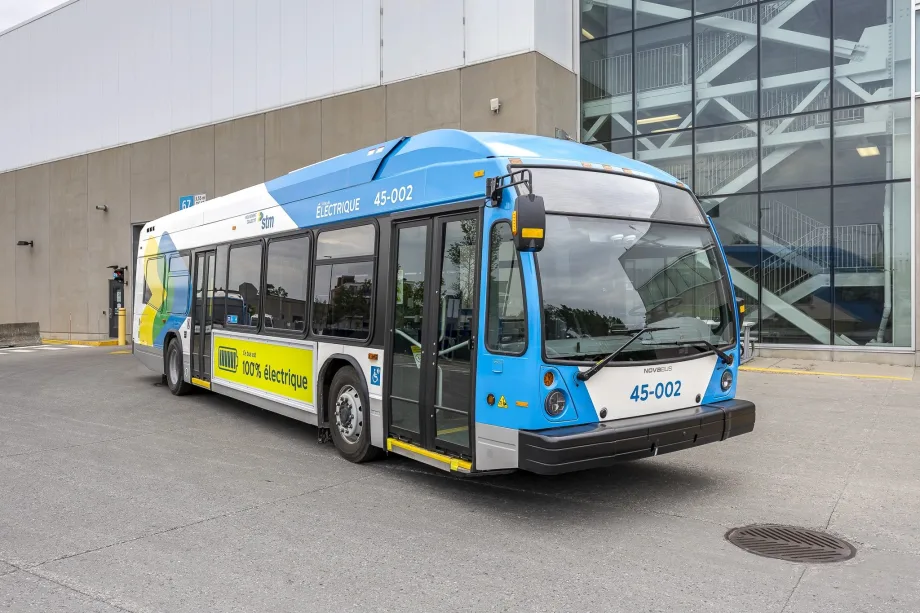
STM said it considers a mix of propulsion modes — hybrid and electric — a proven, high-performing solution during the transition to fully electric operations, offering operational reliability and more stable operating costs.
STM
- Montréal introduces Nova Electric Buses to enhance sustainable urban transportation.
- The latest developments in mobility are highlighted in this edition of Biz Briefs.
- The article emphasizes the impact of innovations on the future of transportation.
*Summarized by AI
From strategic partnerships and acquisitions to service expansions and technology investments, the transportation industry continues to evolve at a rapid pace.
In this edition of Biz Briefs, we spotlight the latest developments shaping the future of mobility. From manufacturers and suppliers to transit agencies and motorcoach operators, these updates offer a snapshot of the projects, partnerships and business moves driving the industry forward.
In METRO's latest installment, we take a look at recent news from Masabi, The Routing Company, and more partnerships making headlines across the transportation sector.
Montréal Unveils First Nova LFSe+ Electric Bus
The Société de transport de Montréal (STM) welcomed its first LFSe+ electric bus manufactured by Nova Bus.
This is the first bus from an order of 147. Ten more buses are expected in the coming months, while the entire order will be delivered by 2028.
STM will first test the components of this new model by running it out of service over the next four weeks, with the possibility of an extension if teams deem it necessary.
The agency is currently reassessing the pace of its transition to electrify its bus network amid a challenging financial context. This is why, last February, the Ministère des Transports et de la Mobilité durable once again allowed public transit agencies to acquire hybrid buses and committed to revising its electrification targets, said STM officials.
STM said it considers a mix of propulsion modes — hybrid and electric — a proven, high-performing solution during the transition to fully electric operations, offering operational reliability and more stable operating costs.
Once the order is complete, 10% of the STM’s bus fleet will be electric.
K2 Pure Solutions, PACC Services Execute Hydrogen Agreement with ZeroUp
K2 Pure Solutions and PACC Services LLC announced a Hydrogen Supply Agreement with ZeroUp Energy Inc. to provide a dedicated supply of low-carbon hydrogen from K2's chlor-alkali facility in Pittsburg, California. The hydrogen will support ZeroUp's mobile fueling deployments for transit agencies across Northern and Southern California.
Officials said the agreement supports California's Innovative Clean Transit (ICT) regulation, which requires transit agencies to transition to zero-emission bus fleets and use renewable fuels for fuel cell electric buses. K2's hydrogen is being produced through a pathway designed to meet ICT renewable fuel standards, helping to address a key challenge to the broader adoption of fuel cell buses in the state.
ZeroUp has more than a decade of experience providing hydrogen fueling, fuel cell vehicle support, and station operations for California transit agencies. The company currently supplies hydrogen to Omnitrans under a multi-year contract. It is working with agencies, including the Stanislaus Regional Transit Authority, which plans to use a mobile hydrogen fueling solution as it deploys fuel cell electric buses.
Hydrogen produced at K2's Pittsburg facility is generated as a byproduct of the company's existing chlor-alkali manufacturing process, eliminating the need for natural gas reforming or dedicated electrolysis infrastructure. The facility is targeting commercial availability in the third quarter of 2026, with PACC Services serving as the exclusive commercial partner for contracting, logistics coordination, and supply chain management.
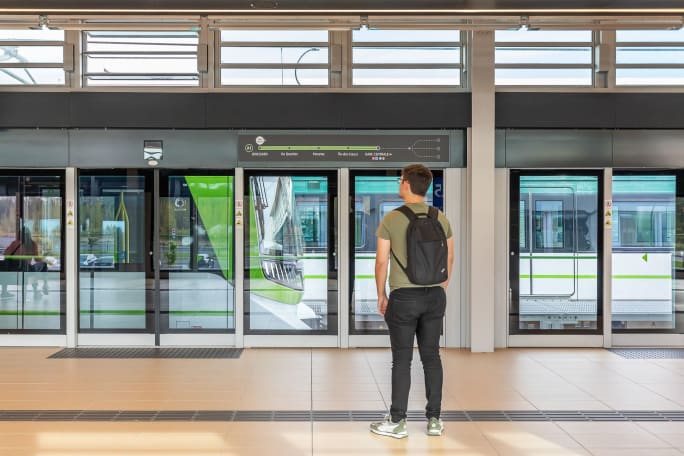
Justride is Masabi's open, enterprise-grade SaaS platform, covering the full spectrum of fare payments from Mobile Ticketing to Account-Based Ticketing and Open Payments.
Photo: Masabi
Masabi Lands Sourcewell Contract for Fare Collection Tech
Masabi has been awarded a cooperative purchasing contract with Sourcewell under its "Transportation Services Payment Solutions" category.
The agreement gives transit agencies a faster, simpler route to adopting modern fare payment systems by removing a lengthy direct procurement process and allowing them to fast-track innovation.
Sourcewell conducts a rigorous, nationally competitive solicitation process on behalf of public agencies, evaluating and awarding cooperative purchasing contracts that satisfy public procurement requirements. Having been awarded a contract through that process, Masabi's Justride platform and many hardware options are now available for direct procurement by public agencies, municipalities, counties, tribal governments, and transit authorities across the US and Canada through the Sourcewell cooperative purchasing program.
Justride is Masabi's open, enterprise-grade SaaS platform, covering the full spectrum of fare payments from Mobile Ticketing to Account-Based Ticketing and Open Payments. Agencies can procure the complete platform or a standalone module and expand their solution over time as needs and budgets evolve, with a platform designed from the ground up to serve all riders, including the unbanked and underbanked.
Through the Sourcewell Master Service Agreement, public organizations can move straight to procurement, as Sourcewell contracts satisfy competitive public solicitation requirements on behalf of member agencies, providing the procurement documentation and audit trail that public bodies need to move forward with confidence, said officials
TRC, Great Lakes Community Action Partnership Team in Ohio
The Routing Company (TRC) announced a multi-year partnership with Great Lakes Community Action Partnership (GLCAP).
The deployment marks another significant milestone in supporting suburban and rural transportation, increasing accessibility and connectivity by enabling multiple transit services in Sandusky County, Ohio. TRC is powering all of GLCAP’s transportation programs (TRIPS), including shuttle services and demand response programs. All services are planned to launch in full in July 2026.
TRC’s Pingo platform will power GLCAP’s services to enhance mobility, particularly in rural communities, offering real-time ride booking and optimized routing to improve riders’ convenience and enabling dispatch to use a seamless self-service platform to manage programs.
Quick Answers
The main focus of this edition is on the latest developments in the future of mobility, including the debut of Nova electric buses in Montréal.
*Summarized by AI
More Technology

From Hardware to Digital Partner: Luminator Charts Its Next Chapter
CEO Magnus Friberg discusses Luminator’s shift toward becoming a digital partner, the growing importance of software and interoperability, and how AI can help agencies improve operations and passenger experience.
Read More →
Beyond the Checklist: A Structured Approach to Transit Maintenance
Reliability-Centered Maintenance helps transit agencies move beyond routine checklists to focus limited resources on the assets and failures that have the greatest impact on safety, reliability, and service.
Read More →
NJ TRANSIT Advances Bus Technology Upgrades Across Statewide Fleet
More than 1,500 buses now feature upgraded technology designed to improve arrival predictions and provide free Wi-Fi, with deployment expected to reach nearly 2,000 buses by the end of 2026.
Read More →

Building a Flexible Path to Transit Electrification
John Hroncich discusses BAE Systems’ modular and scalable approach, lessons learned from decades of real-world operations, and how agencies can identify electrification strategies that fit their fleets.
Read More →
Biz Briefs: Alstom Lands Canadian Contract, LYT to Supply California TSP, and More
In METRO's latest installment, we take a look at recent news from Complete Coach Works, Beep, FlixBus, and more partnerships making headlines across the transportation sector.
Read More →
From Legacy Silos to Conversational Intelligence
What if transit leaders could ask any operational question and get a trusted answer in seconds? Conversational AI is transforming how agencies use their data.
Read More →
USDOT Announces Rail Vehicle Replacement Grants, Chattanooga AV Shuttle Funding
More than $191 million in federal funding will help three transit agencies replace aging rail vehicles and support a new autonomous shuttle service in Chattanooga.
Read More →
Bus Tech Talk: Keeping Transit Technicians Ahead of the Technology Curve
LA Metro’s Obed Mejia discusses technician training, evolving maintenance technology, fleet replacement, and strategies for getting the most out of today’s transit fleets.
Read More →
Biz Briefs: RIPTA Unveils New Frontrunners, Clevland RTA Adds New Siemens, and More
In METRO's latest installment, we take a look at recent news from Siemens, Prevost, Dodge, and more partnerships making headlines across the transportation sector.
Read More →
Why Simulating Pedestrian Movement Has Become Essential for Modern Rail Stations
Pedestrian microsimulation is helping rail planners identify bottlenecks, test station designs, and prepare complex transit hubs for growing passenger volumes.
Read More →