Articles
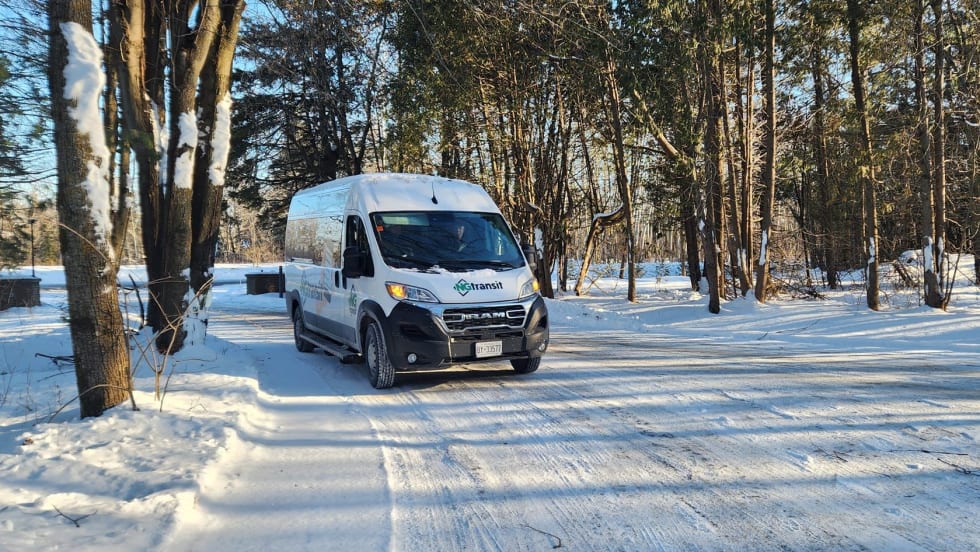
Right-Sizing Rural Transit: Lessons from North Grenville’s On-Demand Model
A small municipality shows how flexible service, rider needs, and public accountability can expand mobility with limited resources.
Read More →

 MENU
 SEARCH
A small municipality shows how flexible service, rider needs, and public accountability can expand mobility with limited resources.
Read More →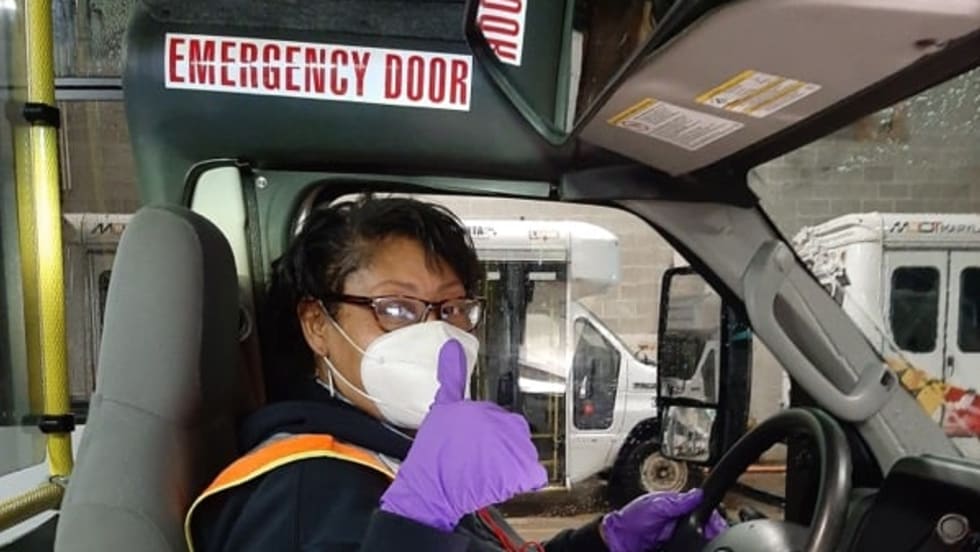
The contractor is transporting local, essential hospital workers from these designated pickup locations to the Greater Baltimore Medical Center.

With this unprecedented crisis will come a new way for transit agencies to operate service and do business on a day-to-day basis. So what might that look like?
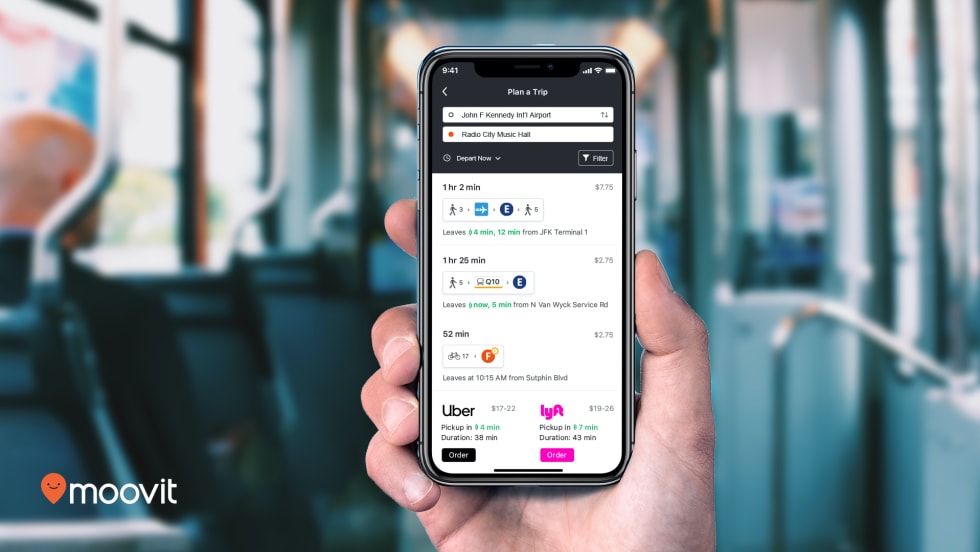
By working together as part of Intel and Mobileye, Moovit will advance the company’s MaaS strategy and the global adoption of autonomous transportation.

The expanded service came in response to a project called the “Last Mile” initiated by the City and Western Extrusions, a private sector major employer.
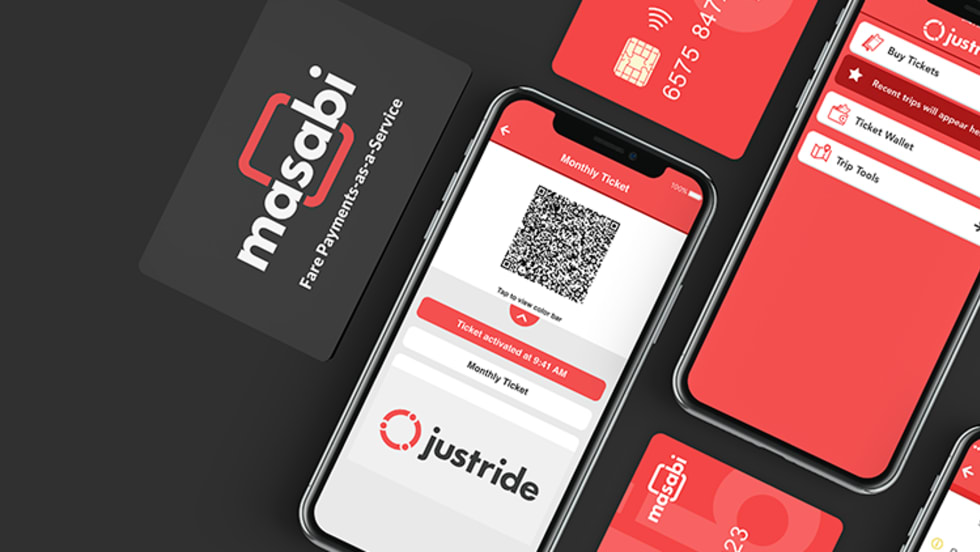
COVID-19 has made it clear that handling cash and touching equipment — like turnstiles or fare vending machines — to board, could make transit less attractive through the risk of infection.

With schools closed across the D.C. metro area due to COVID-19, many children face food insecurity.
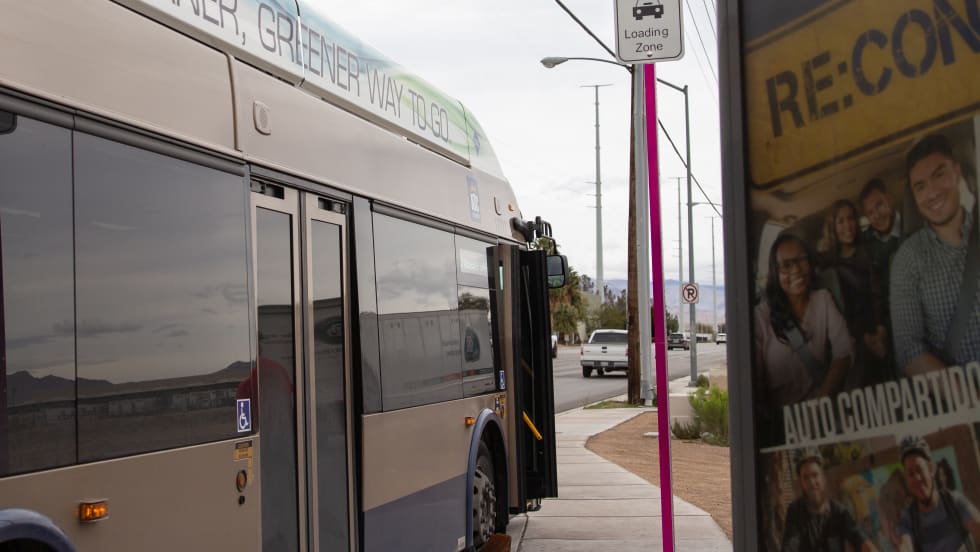
An immediate return to previous levels of service will not be feasible in many cases, given the changes wrought by the pandemic that need to be addressed in transportation exit plans.
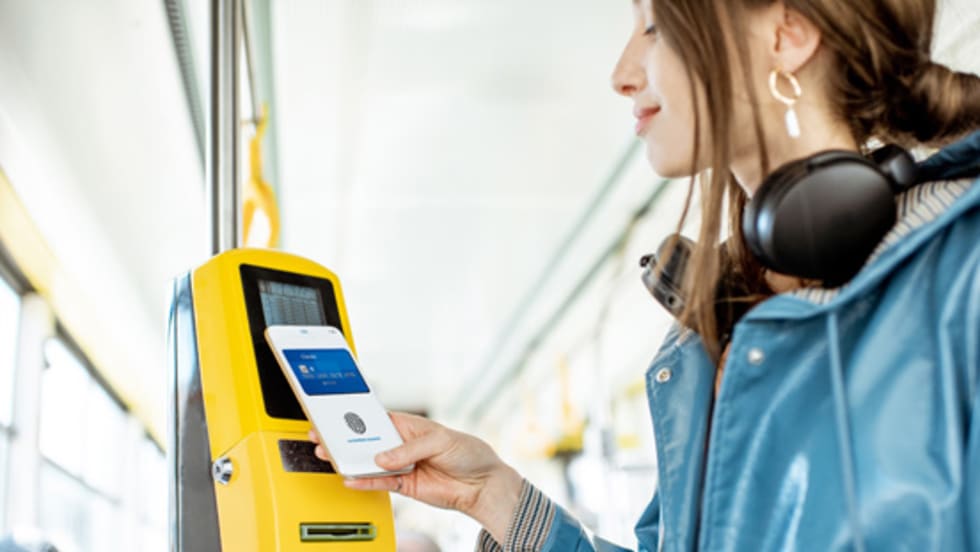
Join us for this free webinar and discover what the fare payments world will look like post-pandemic and how to deliver these services.
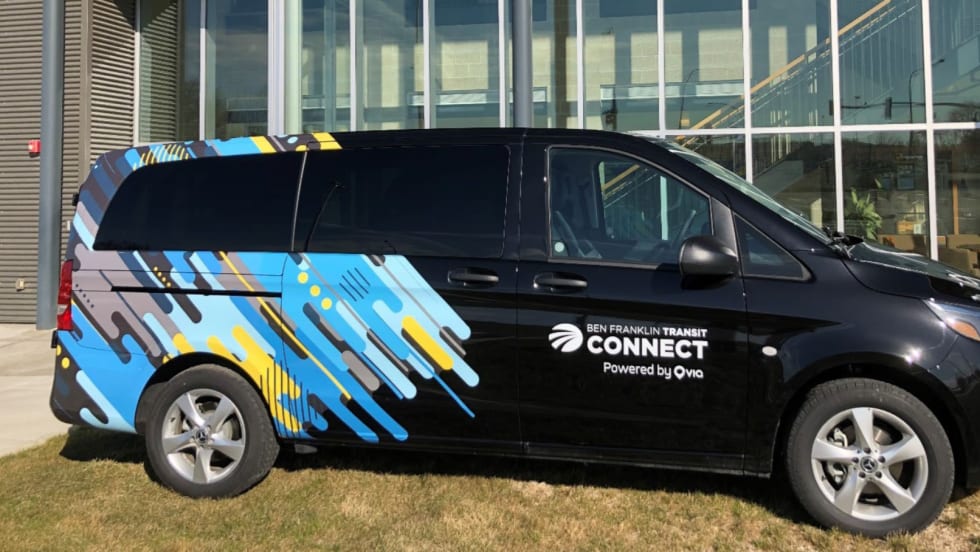
Under current emergency operating conditions, only one passenger will be allowed in each vehicle per trip, though the service is intended to and will eventually be a shared ride service.
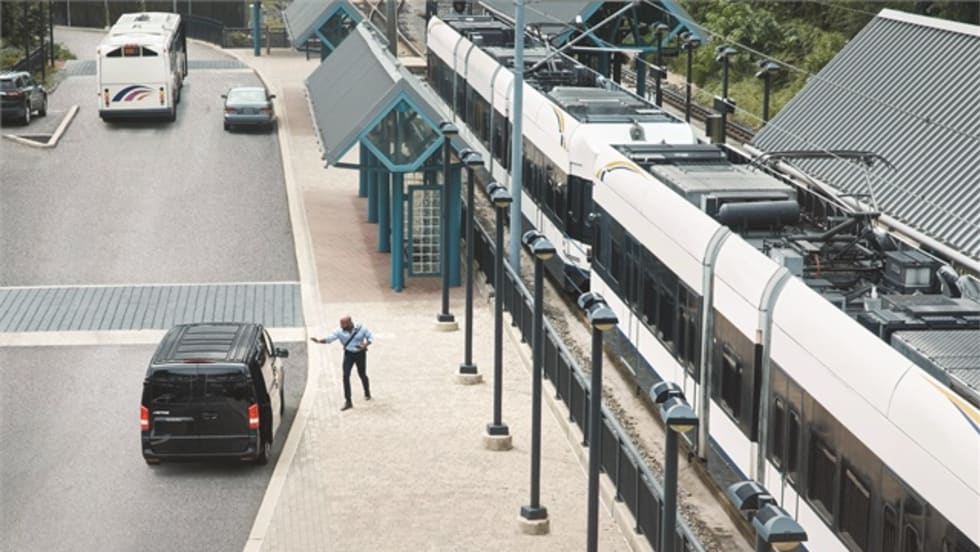
The COVID-19 outbreak has cities and transit agencies scrambling to provide new forms of transportation for essential staff and emergency services.