News
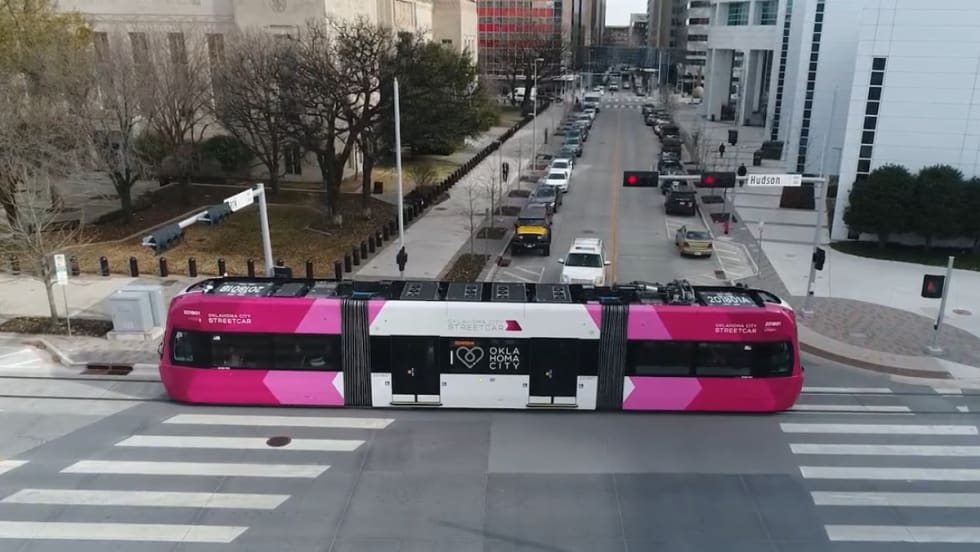
OKC Streetcar Makes Zero-Fare Service Permanent
Ridership increased an average of 71% compared with the same period a year earlier during the fare-free pilot.
Read More →

 MENU
MENU SEARCH
Ridership increased an average of 71% compared with the same period a year earlier during the fare-free pilot.
Read More →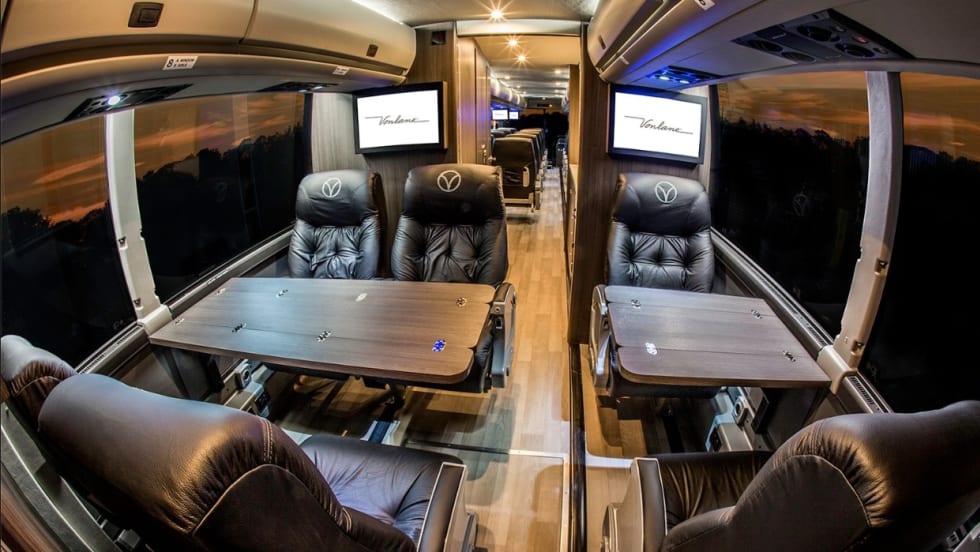
The vehicles feature free wi-fi, satellite television and radio and an attendant offering drinks and amenities more common on first-class flights than intercity bus service.
Read More →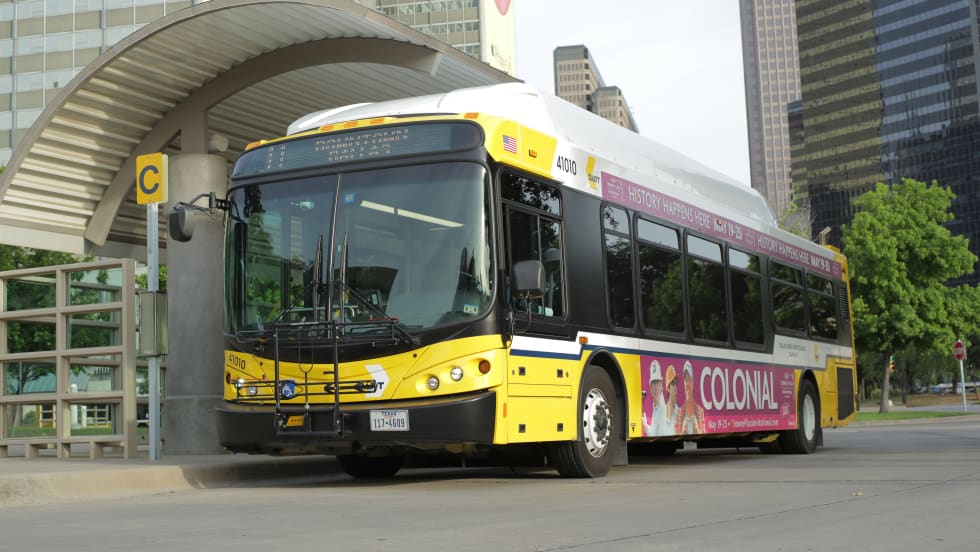
APTA statistics for 2014 show that 16.9% of public transit buses were hybrid-electric. Coming in a close second, public transit systems report that 16.7% of U.S. transit buses used compressed natural gas (CNG), liquefied natural gas (LNG) and blends. Biodiesel is used by 7.4% of public transit buses. Other alternative fuels, such as propane and hydrogen, account for 0.3%.
Read More →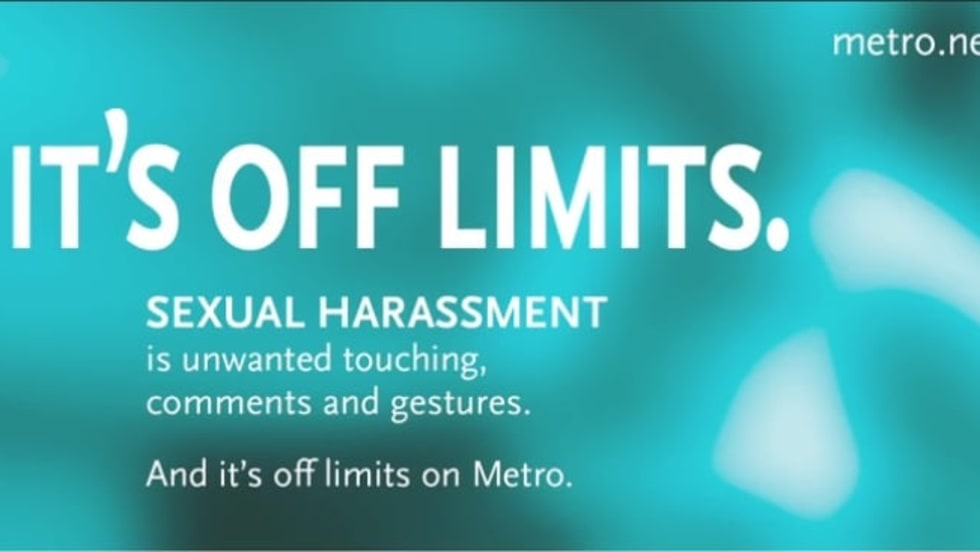
As part of the system-wide campaign, Metro upgraded its smartphone app, LA Metro Transit Watch, to include a report of “Indecent Exposure,” “Sexual Assault-Physical” and “Sexual Harassment-Non-Physical.” The app also allows a reporting person to snap a photograph of a suspect safely without activating the camera’s flash.
Read More →
The new solar plant, which comprises 2,800 solar voltaic panels spanning 1.15 acres, is mounted at ground-level and on parking lot shade canopies. It’s capable of generating 1.3 million Kilowatt-hours (kWh) of energy savings annually, or enough electricity to power 123 homes.
Read More →
Agency teams with the Bay Area Suicide and Crisis Intervention Alliance to address the recent increase in suicides and suicide attempts on the agency’s property. The centerpiece of the campaign launch is station signage directing troubled patrons to call the toll-free National Suicide Lifeline, with the phrase “Suicide is not the route” included over the number.
Read More →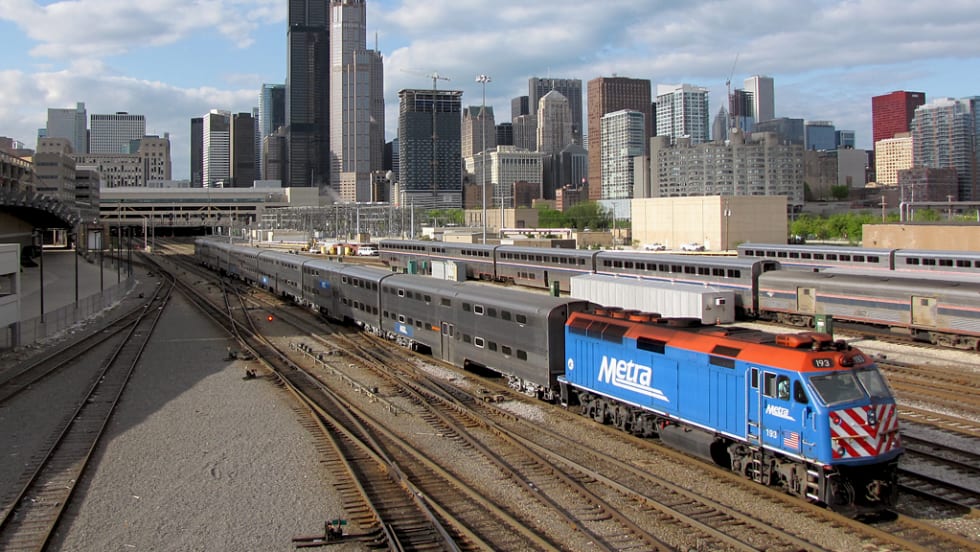
According to the FRA, which has promoted the adoption of the system by a handful of railroads so far, the system complements existing safety programs, builds a positive safety culture, creates an early warning system, focuses on problems instead of people, provides an incentive for learning from errors and targets the root cause of an issue, not the symptom.
Read More →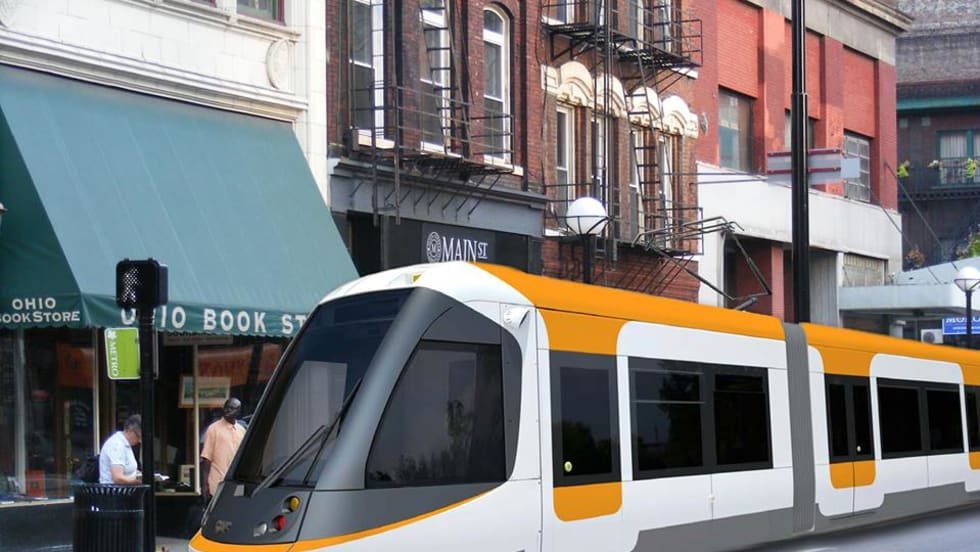
Additionally, the Southwest Ohio Regional Transit Authority has reduced its estimates by $569,000 for both streetcar fare revenue and what it believes it can capture from those who want to advertise on the vehicles.
Read More →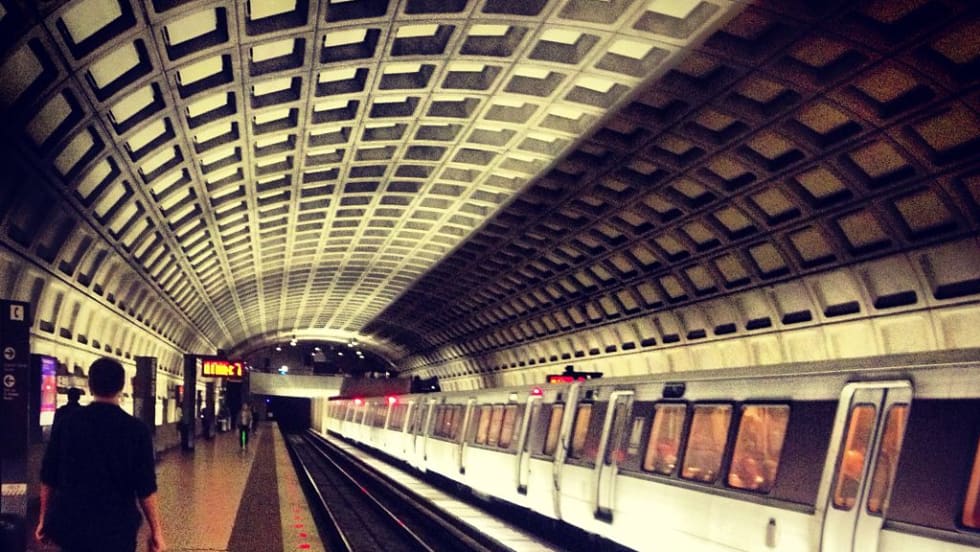
Some of the benefits discussed by a CityLab report, include a 70% savings in staff, higher frequencies, significant operational savings and more room for passengers.
Read More →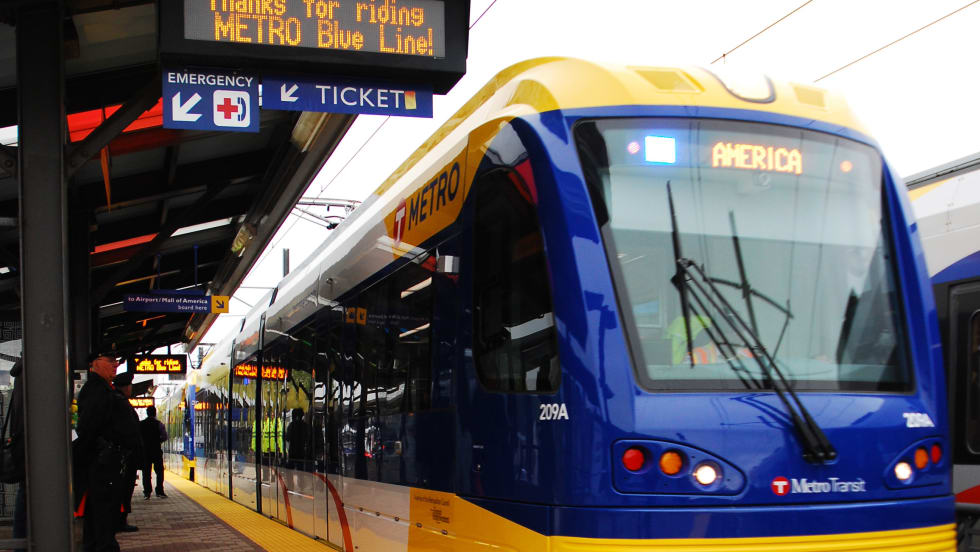
While an audit found that one of every 10 light rail passengers may not be paying fares, Metro Transit reports 94% compliance on its Green Line and 97% compliance on its Blue Line. Moving away from an honor system and installing turnstiles could cost the agency $107 million, according to the report.
Read More →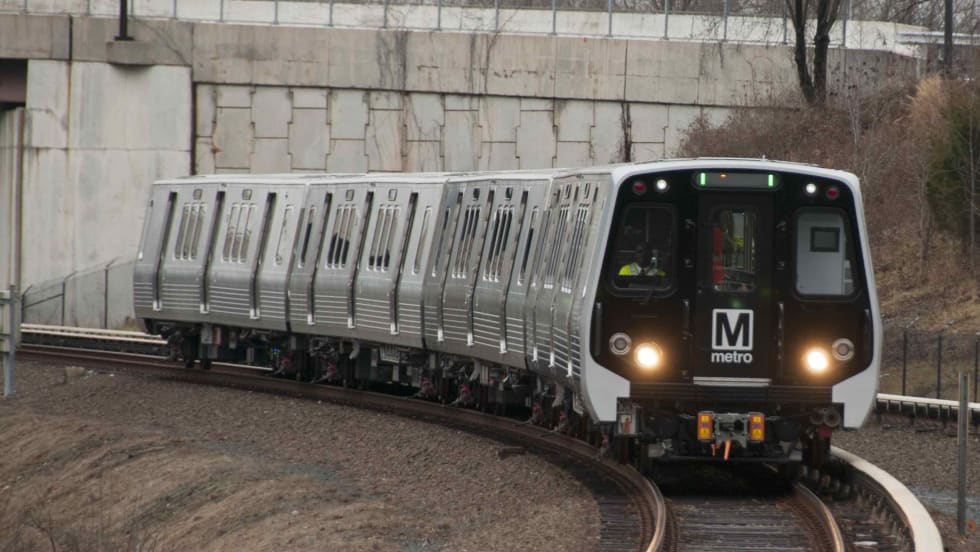
The new cars will belong to a fleet of more than 500 new railcars, which are designed to provide a safer, more comfortable ride for millions of passengers and expand the Metrorail system’s capacity overall.
Read More →