



Coalition of transit agencies demand at least $25B in federal aid
CEOs from nine agencies signed a letter urging Congressional leaders to include dedicated transit funding in relief package.

Public Domain
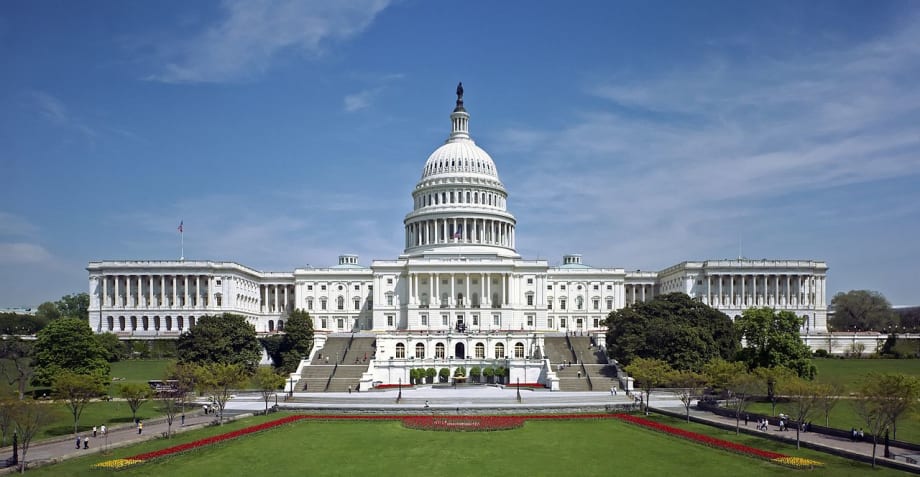
A coalition of U.S. transit agencies, including the Metropolitan Transportation Authority (MTA, Chicago Transit Authority (CTA), Dallas Area Rapid Transit (DART), Kings County Metro in Seattle, Los Angeles County Metropolitan Transportation Authority (Metro), MARTA in Atlanta, NJ Transit, San Francisco Bay Area Rapid Transit (BART), SFMTA in San Francisco, and Washington Metropolitan Area Transit Authority issued a letter to Congressional leaders urgently requesting the federal relief package includes at least $25B of dedicated support for public transportation agencies.
A PDF of the letter is attached at the bottom.
Full text of the letter is available below:
The Honorable Mitch McConnell
Majority Leader
Unites States Senate
Washington, DC 20510
The Honorable Nancy Pelosi
Speaker
U.S. House of Representatives
Washington, DC 20515
The Honorable Charles E. Schumer
Minority Leader
United States Senate
Washington, D.C. 20510
The Honorable Kevin McCarthy
Minority Leader
U.S. House of Representatives
Washington, DC 20515
Dear Leader McConnell, Speaker Pelosi, Leader Schumer, and Leader McCarthy:
The COVID-19 pandemic is a national disaster and it requires a national solution. We are coming together to urgently request that the federal relief package includes at least $25 billion of dedicated support for public transportation agencies. Federal aid, utilizing federal formulas, must be directed to areas of the country that have had significant financial impacts and where essential workers rely most heavily on public transit.
This pandemic does not discriminate between Republicans and Democrats. No industry, company or organization is being spared from the devastating public health and economic consequences of this crisis.
The goal of the federal package is to stabilize the economy and establish a back stop that will propel the country forward. Public transit agencies are literally on the frontlines of that effort: We are helping the heroes most critical in this time of crisis – healthcare professionals, first responders, and grocery, utility and childcare workers – do their job. It’s a responsibility we take seriously – no matter the cost.
Now is the time for the federal government to match that commitment.
The looming financial catastrophe is clear. While emergency personnel need our infrastructure to do their jobs, overall ridership on our systems has plummeted every day – dropping as much as 90 percent in some cases. Combined with falling tax revenues and dramatically increased cleaning costs, this collapse of revenue has resulted in immediate and enormous funding gaps.
The collective losses, which early projections show are expected to be in the tens of billions of dollars, can never be recouped and have a compounding impact on our ability to borrow.
Congressional proposals, while appreciated, thus far are stop-gap measures. Public transit agencies are taking action to address the financial crisis we are all facing. Scaling back service isn’t enough to keep our operating budgets in the black. And allowing critical state-of-good-repair investments we’ve fought long and hard for to be gutted in favor of operational costs is a non-starter. We need comprehensive, permanent solutions that put public transportation first.
Transportation systems represented in this letter serve regions that combined make up 32 percent of the national gross domestic product. The economy in our major urban regions nationwide won’t be able to rebound from this crisis without us. In fact, we’ll be the shot in the arm needed to beat it – moving nearly 20 million Americans to jobs, school, shops and stores and revitalizing our local economies in the process.
Bottom line: Any federal relief package will not maximize value for the country’s economy without a robust, targeted investment in public transportation. This is a matter of national interest and core part of any national recovery. Congress must act swiftly to provide real relief in real time; the financial health of the country depends on it.
Sincerely,
Pat Foye
Chairman & Chief Executive Officer
Metropolitan Transportation Authority
New York, NY
Rob Gannon
General Manager
King County Metro
Seattle, WA
Jeffrey A. Parker
General Manager/CEO
MARTA
Atlanta, GA
Robert M. Powers
General Manager
San Francisco Bay Area Rapid Transit District (BART)
Oakland, CA
Gary Thomas
President/Executive Director
Dallas Area Rapid Transit
Dallas, TX
Dorval R. Carter, Jr.
President
Chicago Transit Authority
Chicago, IL
Kevin S. Corbett
President & CEO NJ TRANSIT
Newark, NJ
Jeffrey Tumlin
Director of Transportation
SFMTA
San Francisco, CA
Phillip A. Washington
CEO
Los Angeles County Metropolitan Transportation Authority (Metro)
Los Angeles, CA
Paul J. Wiedefeld
General Manager & CEO
Washington Metropolitan Area Transit Authority
More Management

Brian Dickson on Building Stronger, More Resilient Transportation Organizations
Bus Business Consultants Founder Brian Dickson discusses the leadership principles, operational discipline, and strategic planning that separate transportation companies positioned for long-term success from those stuck in survival mode.
Read More →
LA Metro Breaks Ground on Vermont BRT Project
The 12.4-mile corridor is projected to serve 66,200 daily riders, reduce travel times by up to 24%, and create the nation's busiest bus rapid transit corridor.
Read More →
Building Stronger Leaders, More Resilient Transit Teams
Dr. Carol Parker Walsh discusses leadership development, employee retention, workplace culture, and preparing transit’s workforce for AI and automation.
Read More →
Roman Cornell on ABC Companies’ Evolution and the Future of Passenger Transportation
The company’s CEO discusses carrying forward a third-generation family legacy, ABC’s continued evolution in passenger transportation, support for increasingly complex fleets, and how technology and continued investment could help operators improve uptime.
Read More →
CATS Launches West Charlotte Microtransit Zone, Expands Transit Services
The new microtransit zone connects residents to key destinations as Charlotte Area Transit System rolls out the first phase of its 2055 Transit System Plan.
Read More →
VIA Bus Ridership Grows 10.1% Through August 2026
San Antonio's VIA Metropolitan Transit reported the highest bus ridership growth among major Texas transit systems. Federal Transit Administration data ranked it second among the nation's 50 largest transit systems.
Read More →
CSA Group Releases Climate Resilience Standard for Transit, Passenger Rail
Developed with support from the Standards Council of Canada, CSA D700 guides assessing climate-related risks and planning adaptation measures for transit and passenger rail systems.
Read More →
ETA CEO John Maglio on Transit Technology, Innovation, and Building Agency Trust
ETA founder and CEO John Maglio explores the evolution of transit technology, the importance of reliable systems, and how stronger partnerships can help agencies improve operations and the passenger experience.
Read More →
COTA Launches First Customer Experience Action Plan to Improve Transit Service
The new plan outlines improvements to service reliability, accessibility, communication, and the overall rider experience across Central Ohio's transit system.
Read More →
LA Metro September Ridership Climbs 3.9%, Led by Rail Growth
The agency recorded more than 27.2 million boardings, with rail ridership increasing 12.4% year over year and the D Line posting the largest gains.
Read More →